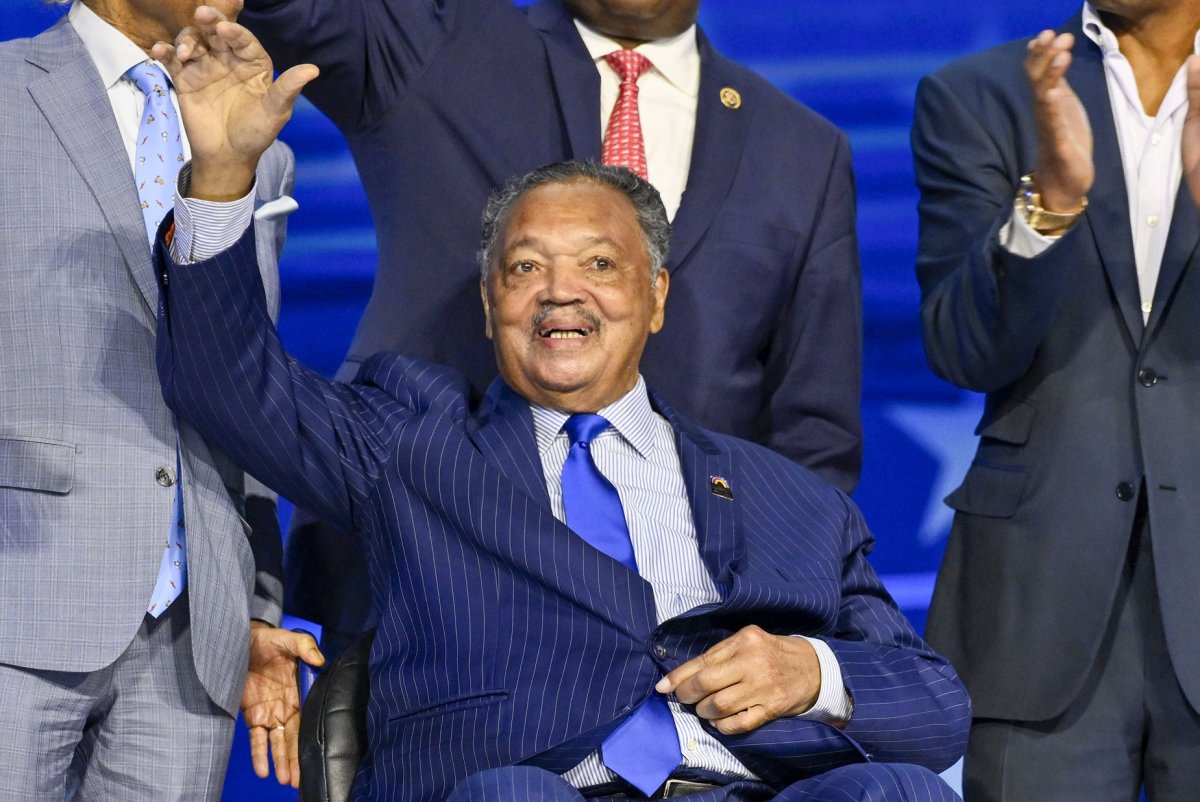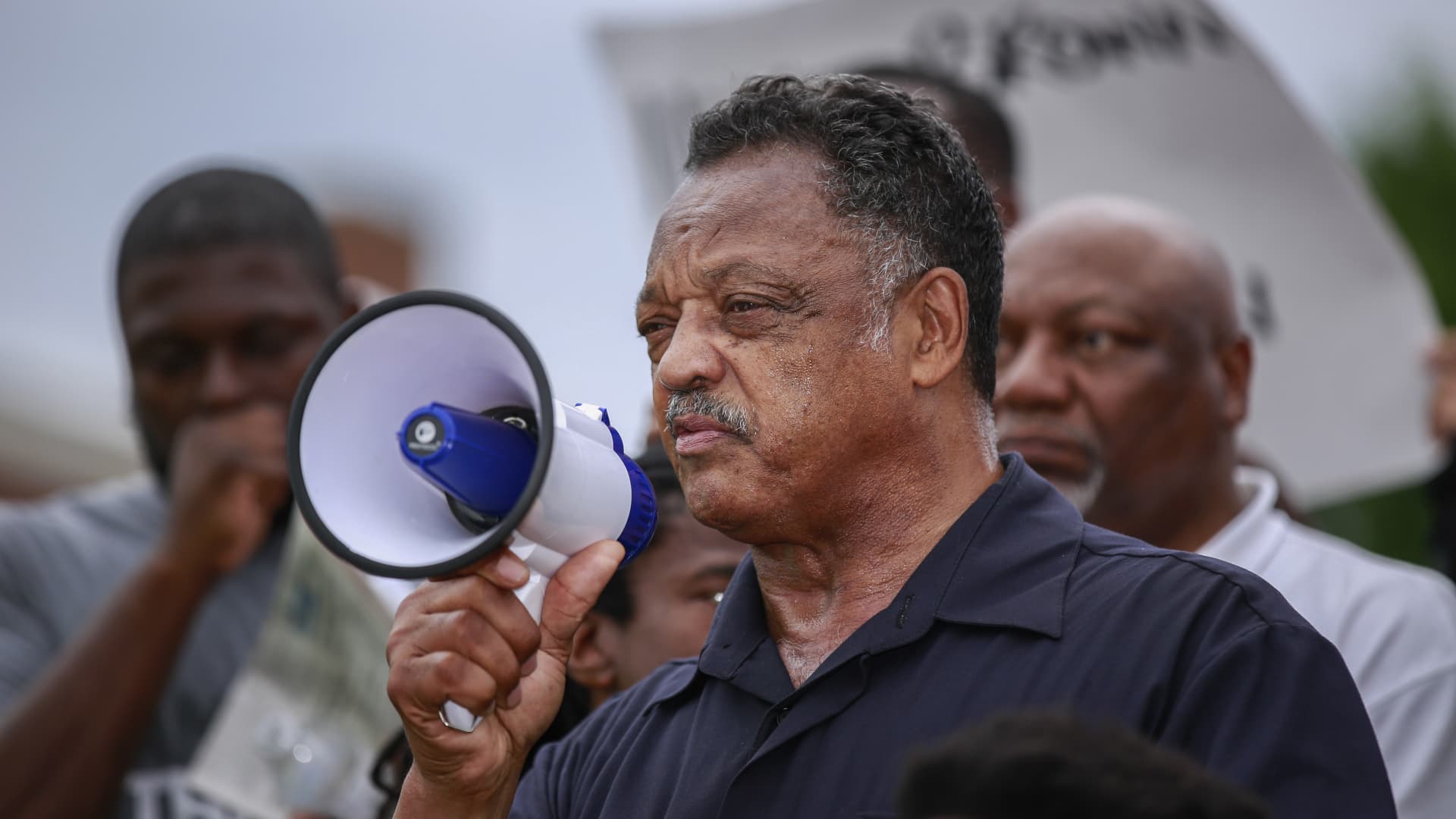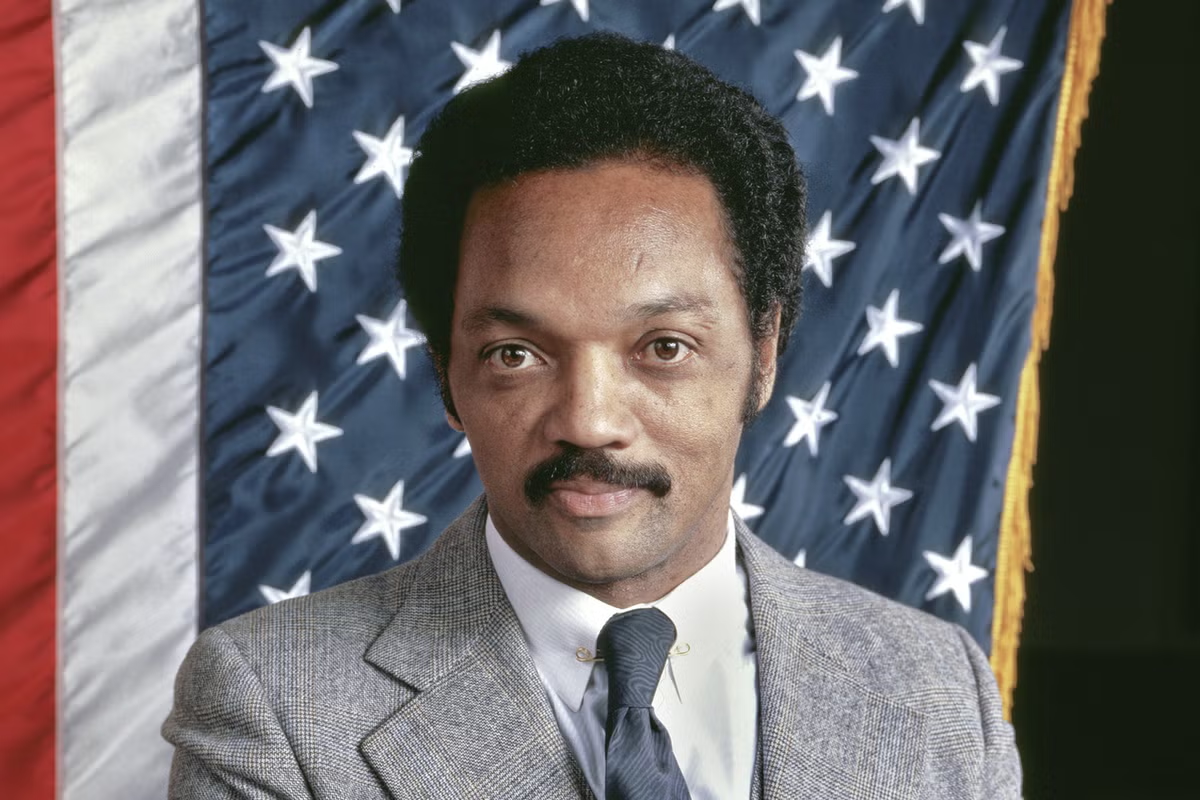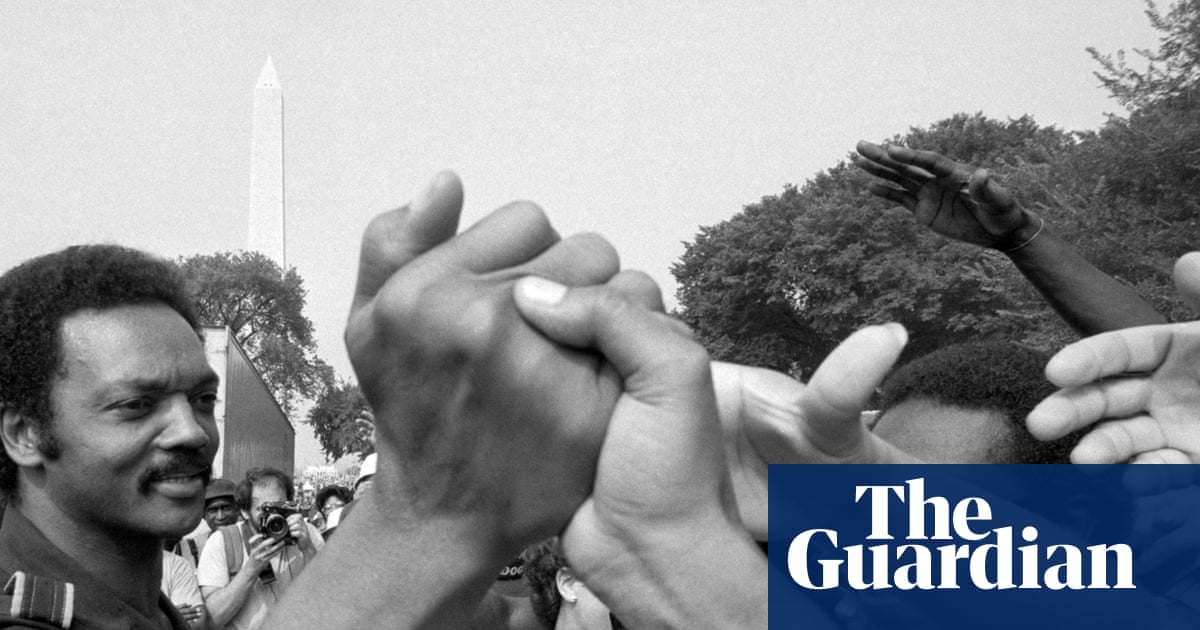
Civil rights icon, who died Tuesday, shifted Black politics and leftist coalition-building from the sidecar of the Democratic party to the driver’s seat
B
y the early 1980s, the Democratic party was facing a crossroads. The 1980 landslide election of Ronald Reagan, who clenched the presidency with a whopping 489 electoral college votes against Democratic incumbent Jimmy Carter, swiftly pulled the Democratic party to the right in the political and cultural wave of the “Reagan Revolution”.
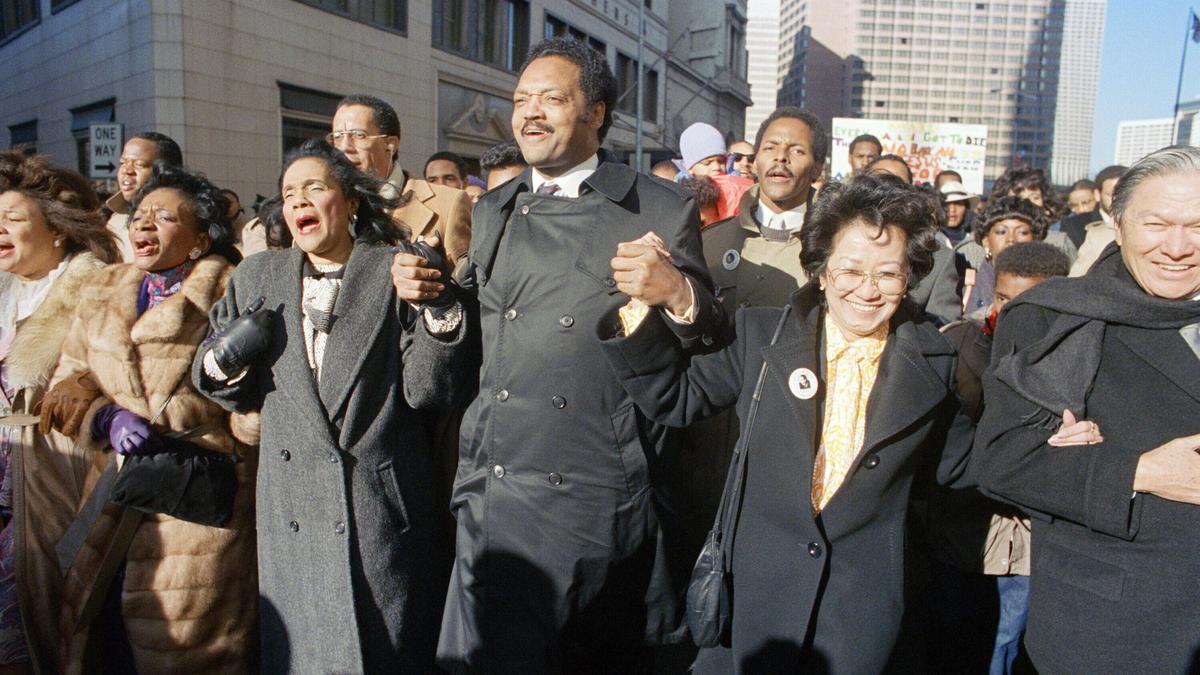
For those Democratic constituents left behind, however, a challenge was mounting, mostly within US industrial cities whose economies were ransacked by Reagan’s “trickle-down” economics. Record tax cuts for the wealthy had come at the expense of a contracted social safety net, thus exacerbating inequality and collapsing much of the working class into the poor. Grassroots resistance campaigns spawned across the country in response to this dire urban crisis that had disproportionately devastated African Americans, and between 1982 and 1984 they had registered 2 million new Black voters – the largest gain in registered Black voters since the passage of the 1965 Voting Rights Act.
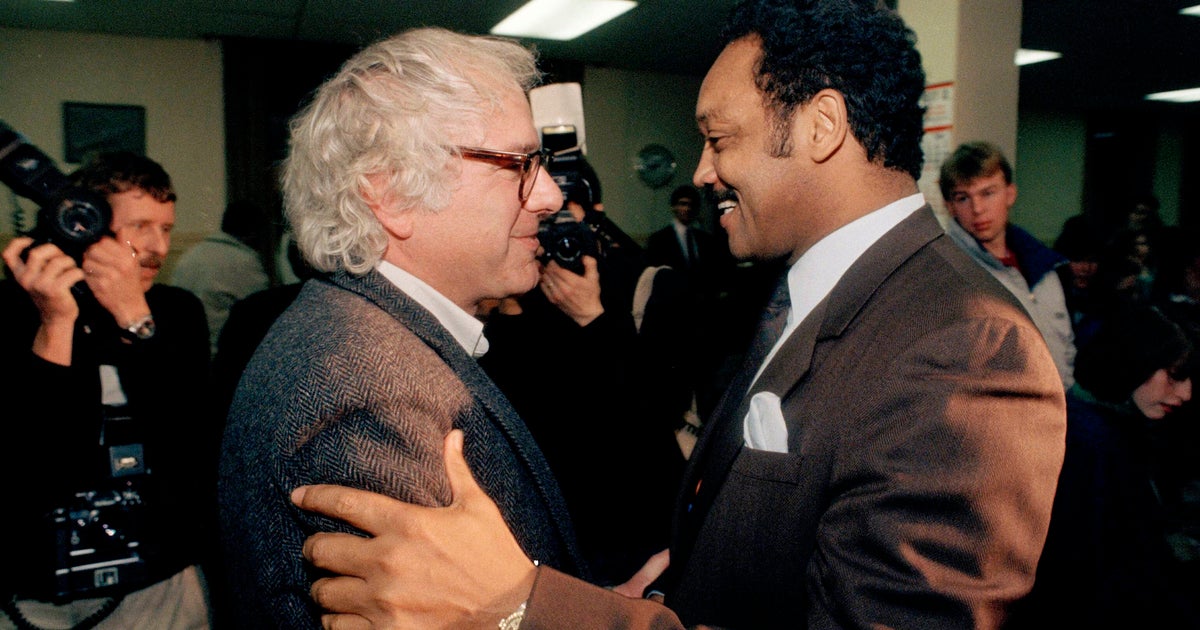
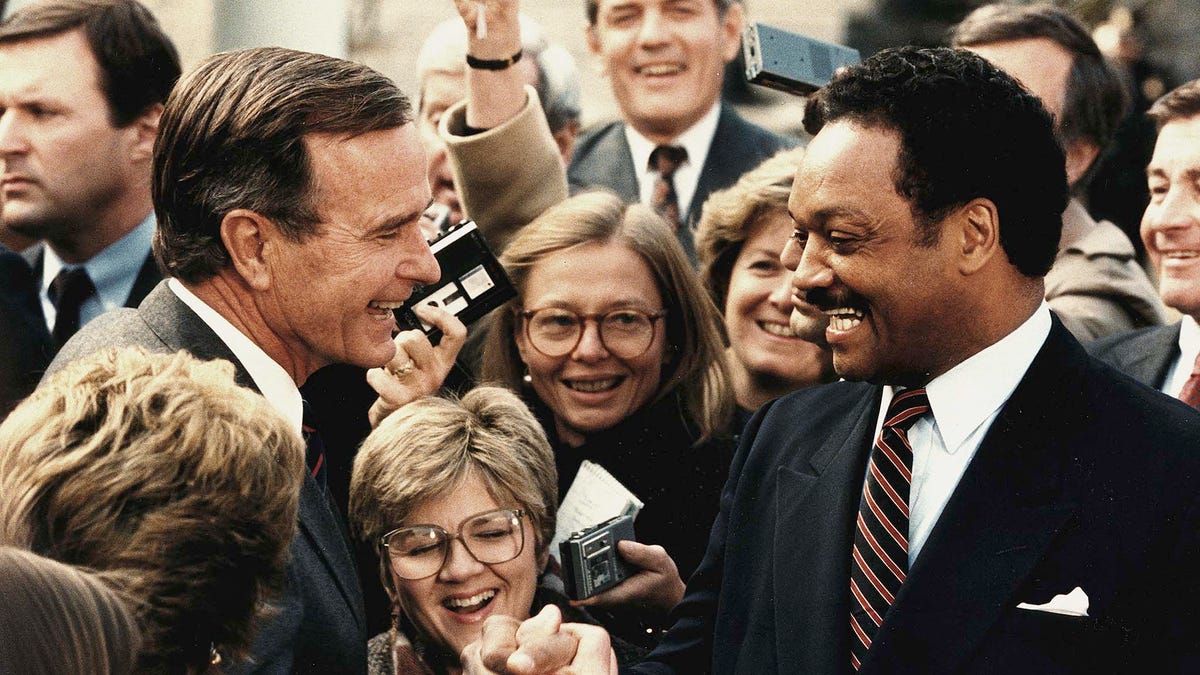
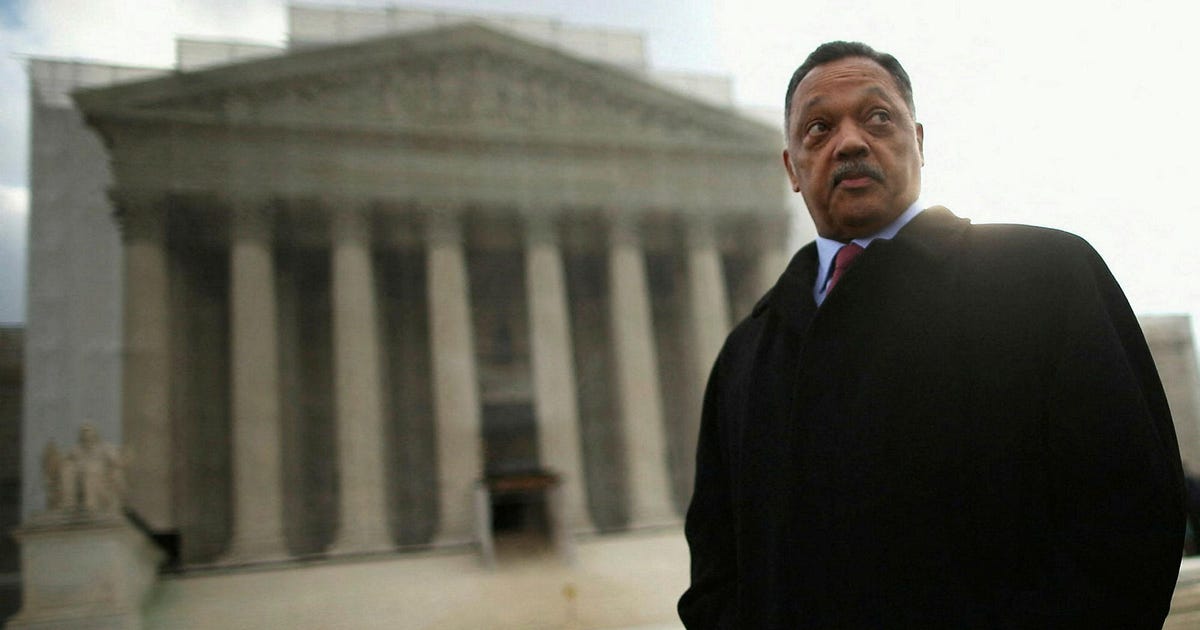
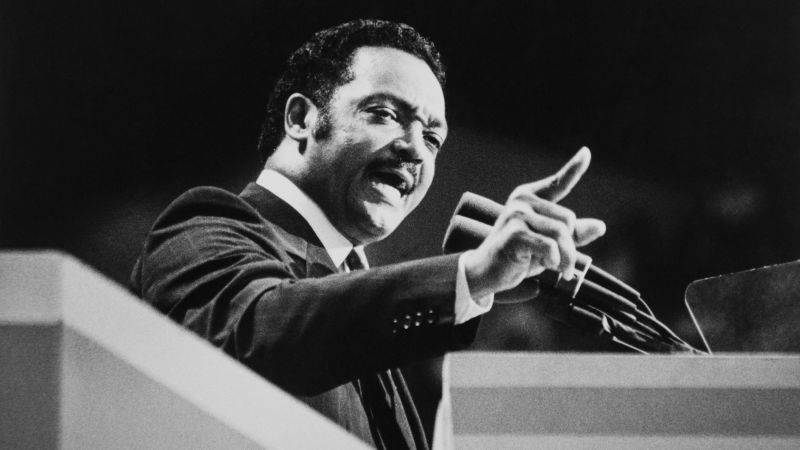
These hands-on voter registration drives were orchestrated much in part by Rev Jesse Jackson, the nationally known civil rights activist who died on Tuesday. Jackson had cut his teeth as one of Martin Luther King Jr’s youngest and most charismatic lieutenants in the Southern Christian Leadership Conference (SCLC) and throughout the civil rights movement. By the 1970s, in the wake of King’s assassination, Jackson had transferred the movement’s master-classes in strategic organizing into founding Operation Push, a populist leftist offshoot of the SCLC that coalesced progressive whites, LGBTQ+ communities, environmentalists, Asian Americans, Indigenous Nations, Latinos, anti-war activists, and labor unions. Jackson led discussions with leadership across the country about the prospect for a national Black-backed progressive movement that could map a viable path to a Democratic nomination for president.