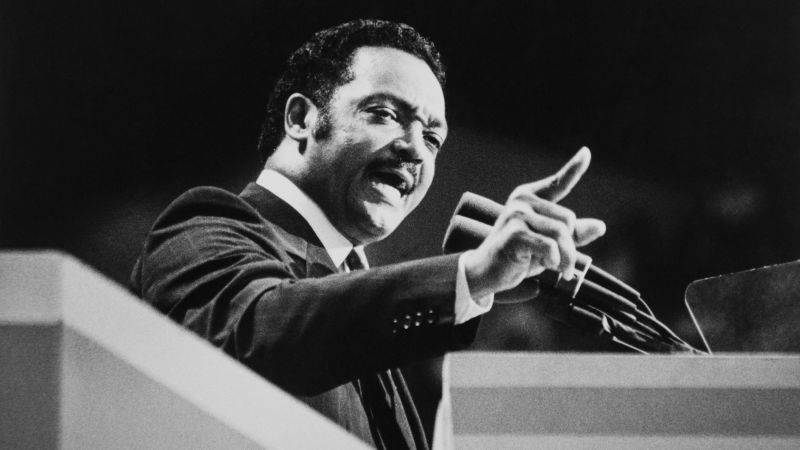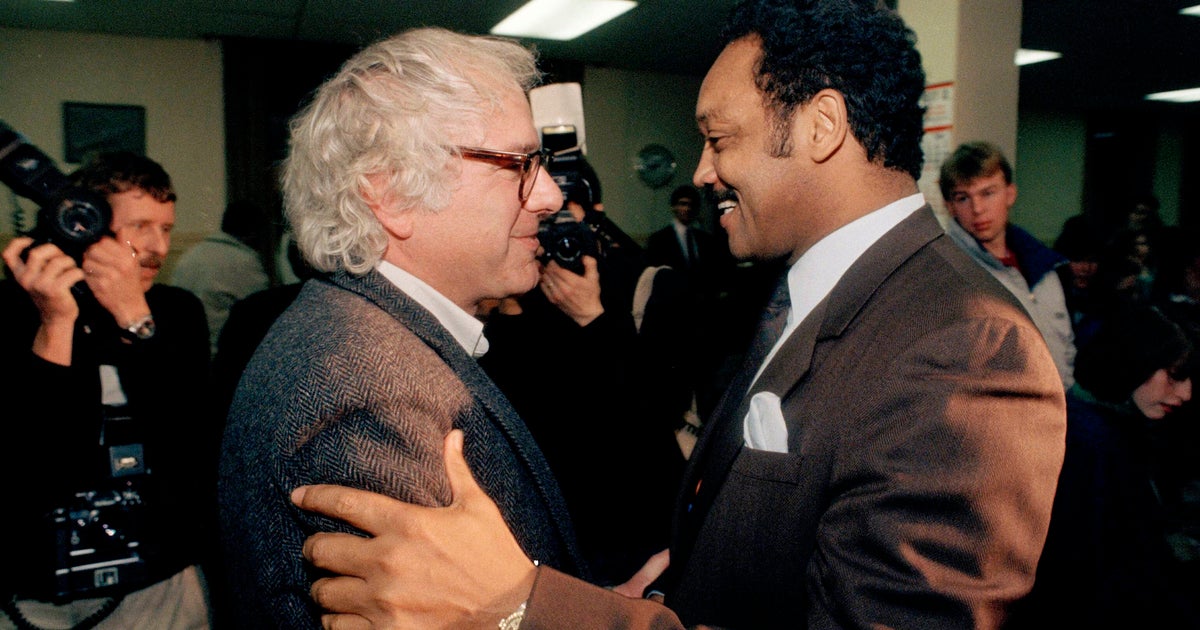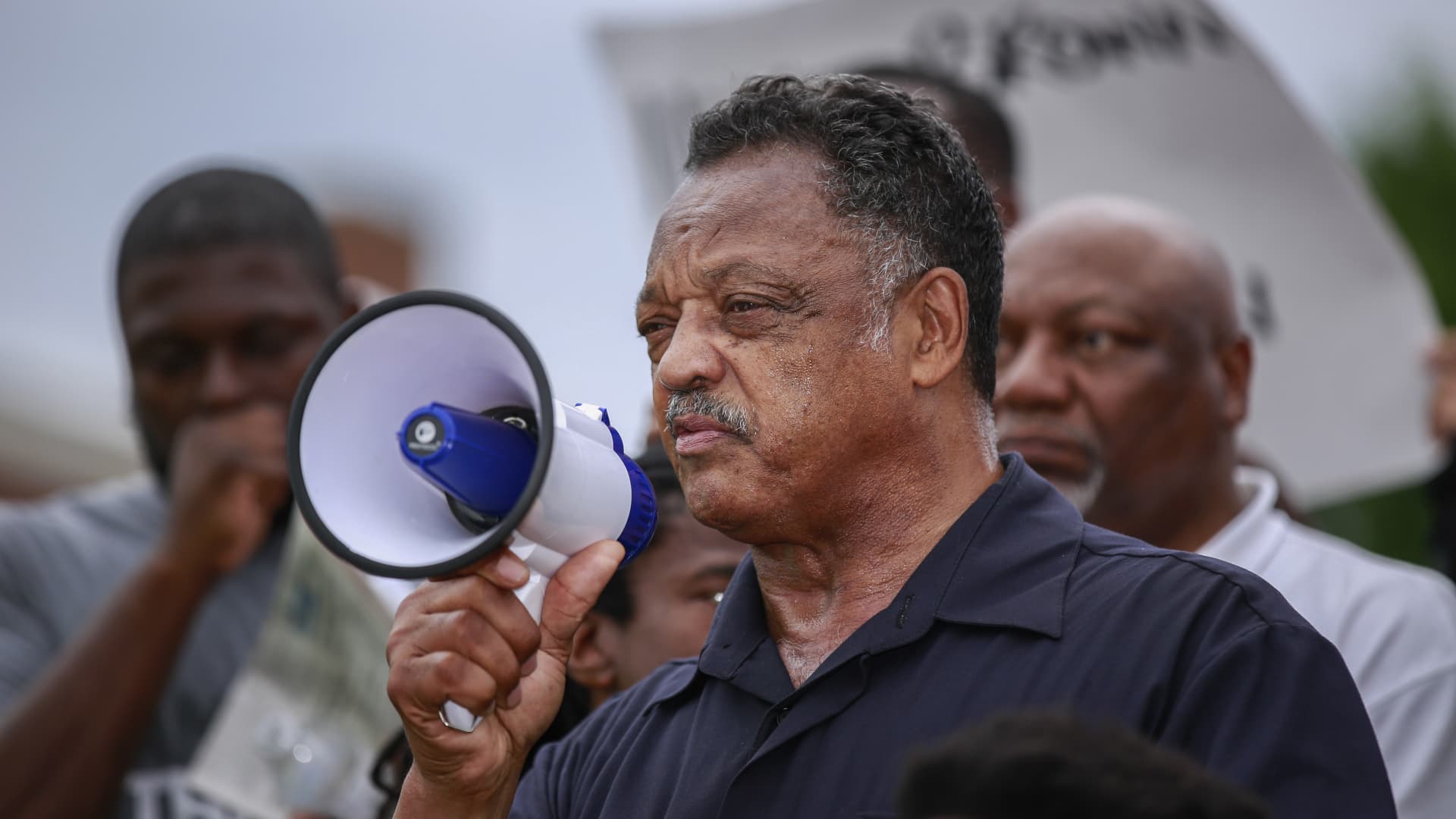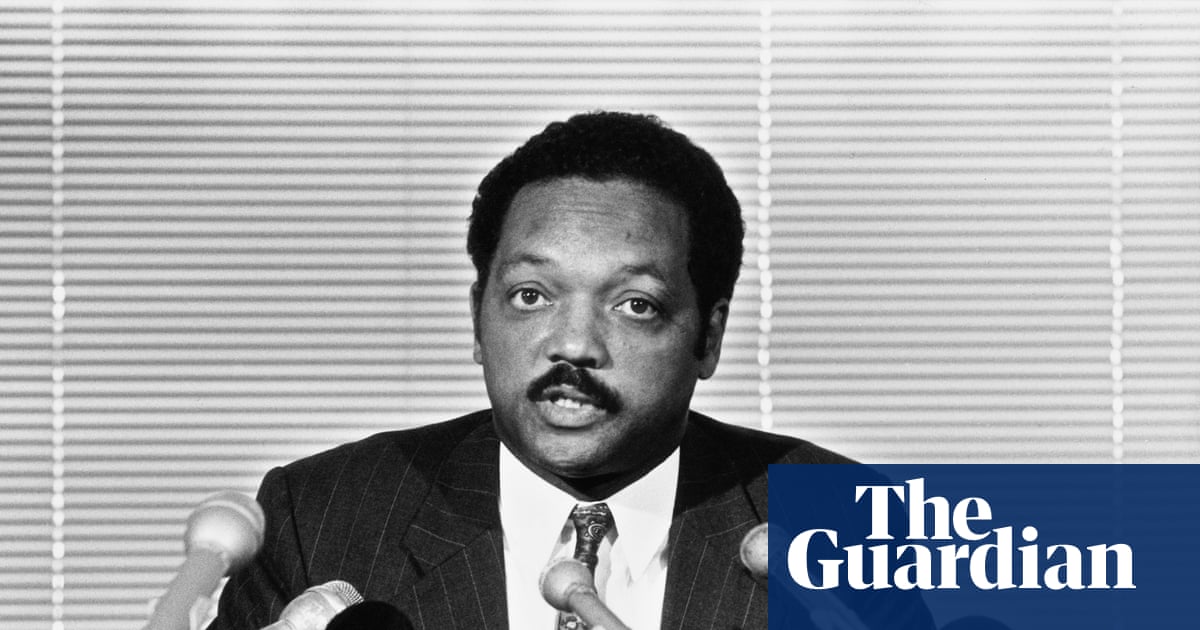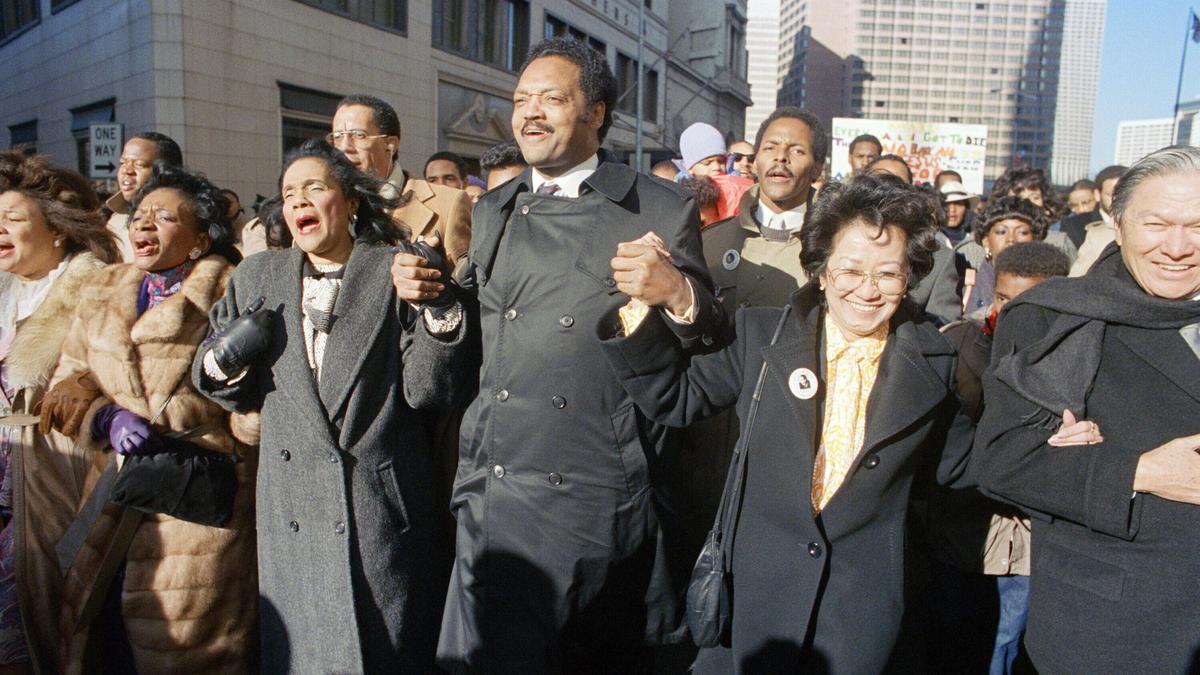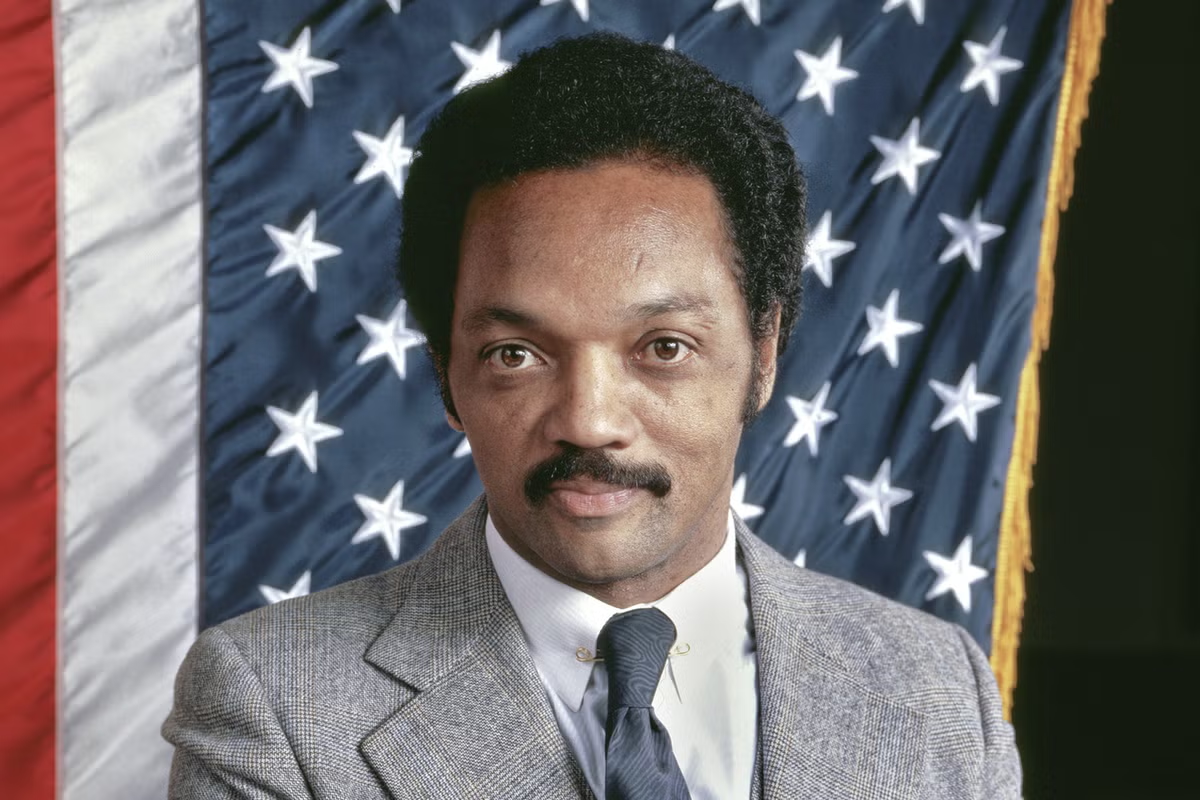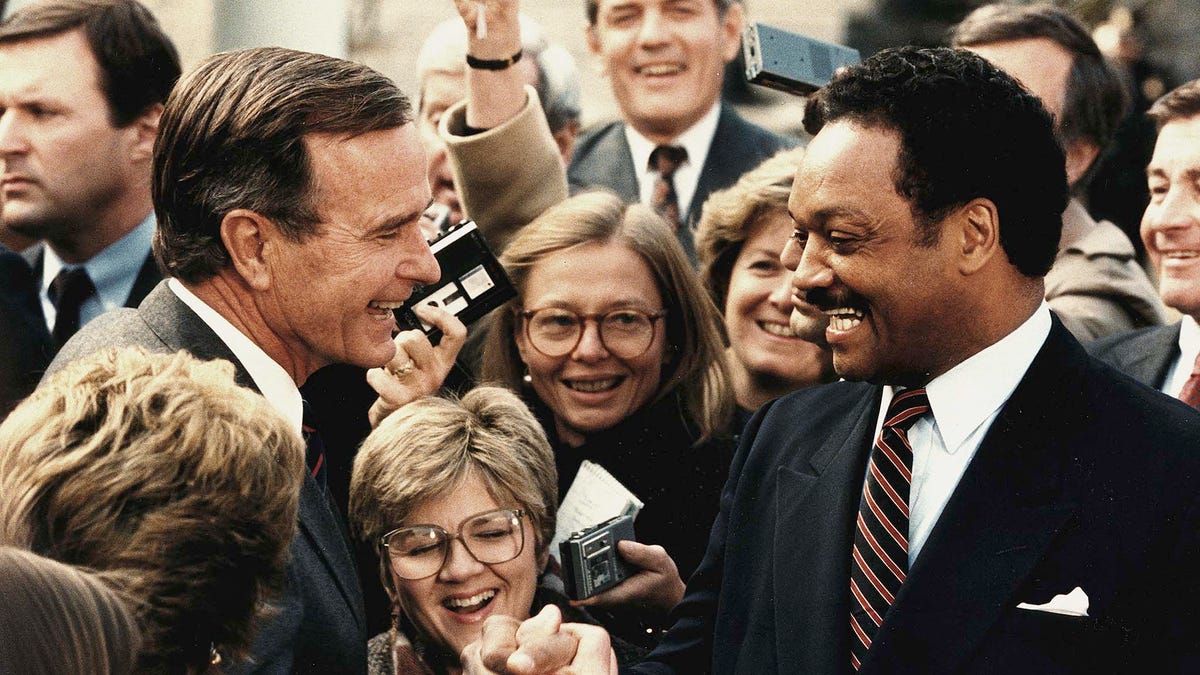
The Rev. Jesse Jackson, who died Feb. 17 at 84, was a tireless activist, dynamic orator, skilled diplomat and influential politician whose two campaigns for the White House transformed politics and diversified the Democratic Party.
Renowned for his ability to weave unity across borders of race, class, gender and religion, his legacy is a tapestry of efforts to promote civil and human rights, peace, equality and economic and social justice.
Here are five key moments in Jackson’s career.
As a freshman at the University of Illinois, Jackson was one of eight young Black high school and college students arrested after conducting a sit-in at a Whites-only library in his native Greenville, South Carolina, in the summer of 1960. The protest by the so-called Greenville Eight would help spur the library’s desegregation two months later.
After transferring to North Carolina A&T State College, Jackson became a student leader in efforts to desegregate establishments in Greensboro before beginning studies at the University of Chicago’s theological seminary.