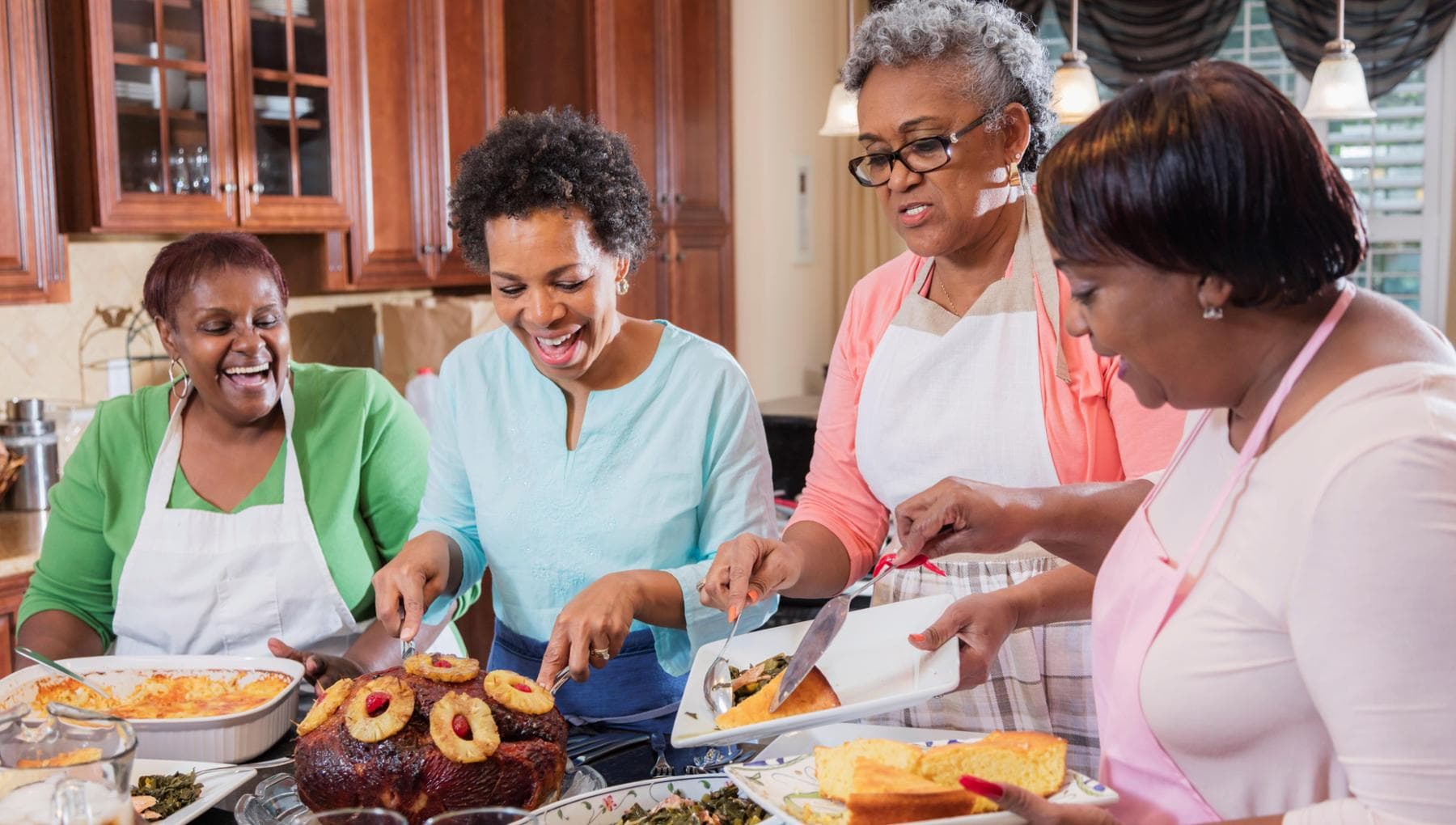
In 1947, African American brothers James and Robert Paschal launched a scrappy luncheonette in Atlanta’s Castleberry Hill neighborhood, their fried chicken earning renown as the house’s go-to specialty. Within 15 years, Paschal’s Restaurant & Coffee Shop had become not just a beloved community eatery but a supporting player in the civil rights movement.
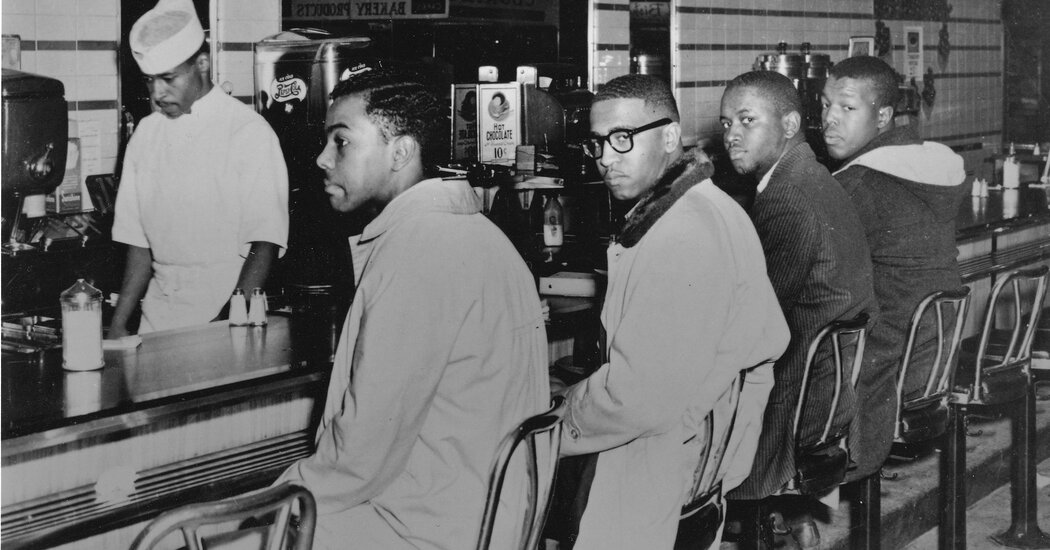
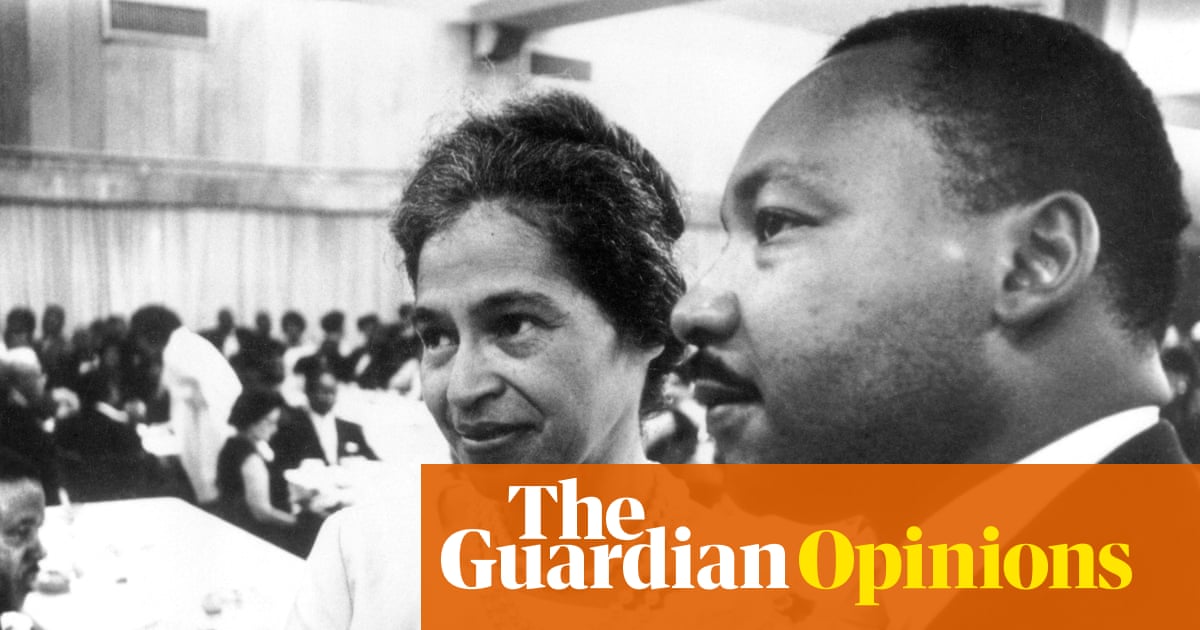
In the years before passage of the 1964 Civil Rights Act, the soul food restaurant offered more than nourishment: Not far from the offices of Martin Luther King Jr.’s Southern Christian Leadership Conference, Paschal’s was a hub for civil rights luminaries such as King, John Lewis and Julian Bond as well as a refuge for Atlanta parents waiting to reunite with students arrested for conducting lunch counter sit-ins.
As the civil rights movement gathered momentum in the 1950s and early 1960s, Paschal’s and other Black-owned restaurants played crucial roles throughout the South, offering affirmation, security and even financial support, with food as the common thread. As with Black churches and Black-owned salons and barbershops, they provided gathering space free from the scrutiny and disrespect community members often faced elsewhere.
“These restaurants lent themselves to the movement because they had the autonomy to decide for themselves what happened under the roof of their place,” said Bobby J. Smith, an associate professor of African American studies at the University of Illinois Urbana-Champaign. “They were able to welcome all people, particularly those who did not have the opportunity to be part of other restaurant spaces.”