We and our vendors use cookies and similar methods (“Cookies”) to recognize visitors and remember their preferences. We also use Cookies for a variety of purposes, including analytics, to measure marketing effectiveness and to target and measure the effectiveness of ads. You can accept or reject the use of Cookies for individual purposes below. Some vendors process your data on the basis of their legitimate interest - you can object to such processing below. Your preferences will be saved in a cookie named “fides_consent” for a maximum duration of 12 months, as well as in your registered user account if you are logged in. If you previously accepted these methods through our prior banner, then we will use your data for targeting. Your preferences will apply on nytimes.com, as well as our News, Cooking, Games and Audio apps. Your preferences here are unrelated to Apple’s App Tracking Transparency Framework.
Supported by
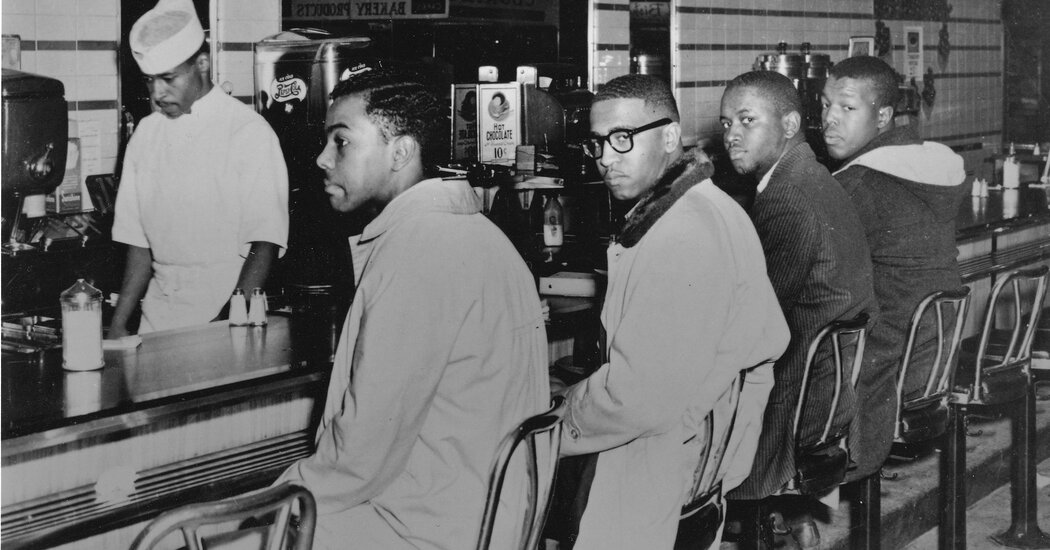
He and his classmates from a historically Black college in Greensboro, N.C., desegregated a Woolworth’s lunch counter in 1960, inspiring similar protests across the nation.
By Bernard Mokam
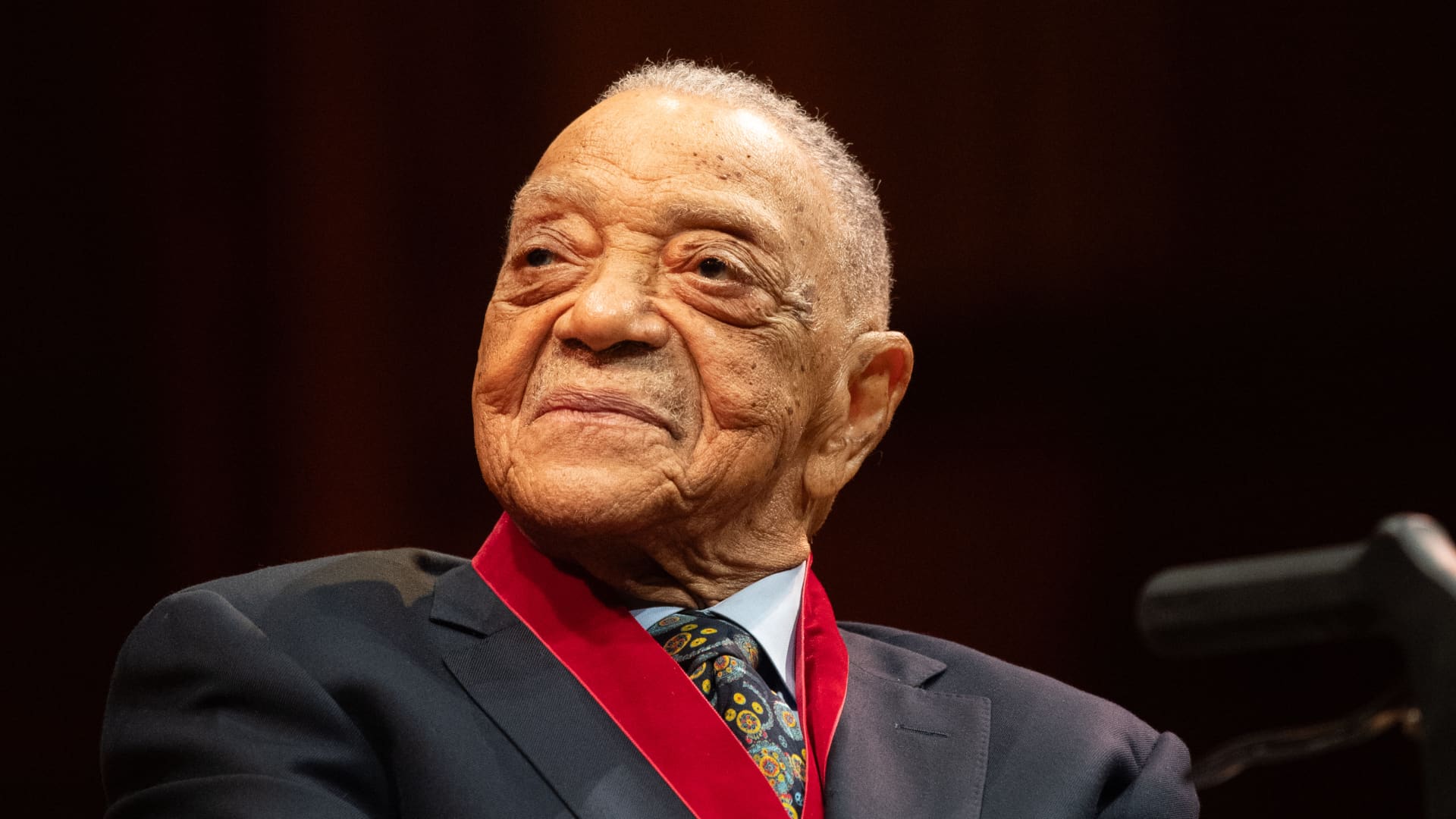
Joseph McNeil, who jolted the civil rights movement with a surge of youth activism when he and three other freshmen from a historically Black college held a sit-in at a segregated lunch counter in Greensboro, N.C. — a nonviolent protest that motivated students across the nation to rally, march and picket — died on Thursday in a hospice in Port Jefferson, N.Y. on Long Island. He was 83.