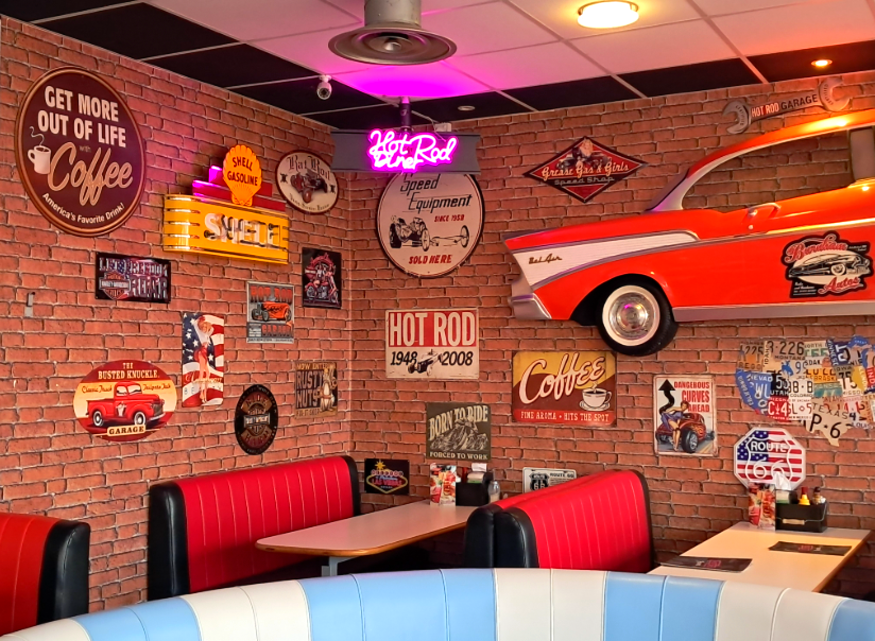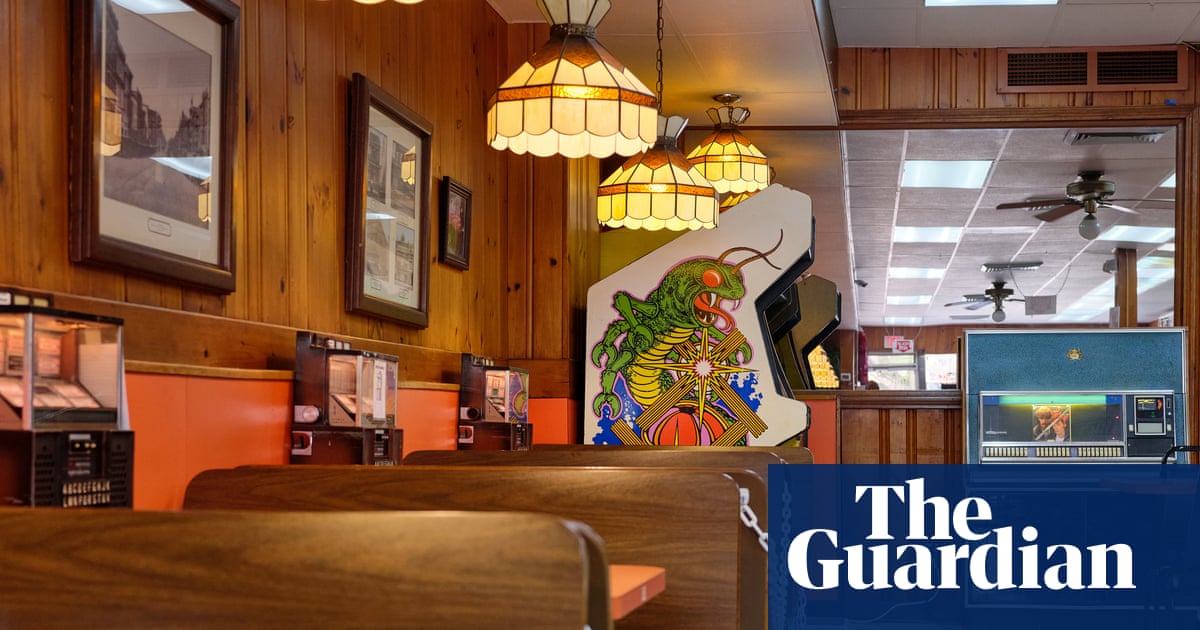
Late nights, cigarettes, endless cups of coffee. Diners have always felt like a kind of sanctuary to me,” says Seth Stowaway, chef proprietor of Chicken Fried Palace in San Francisco’s Mission District, one of several retro-style diners that have opened in the US this past year.
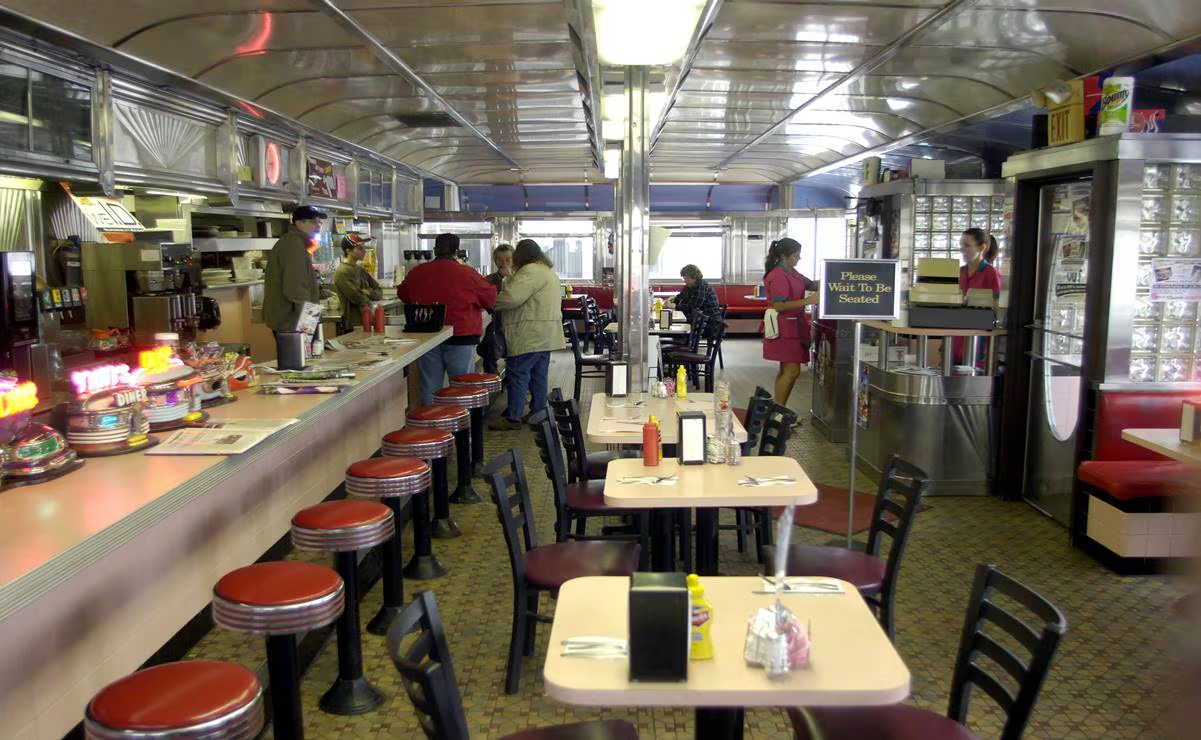
The American diner as we know it dates back to the 19th century, when entrepreneur Walter Scott converted a horse-drawn wagon into a mobile restaurant serving sandwiches, pies and pastries to night workers in Providence, Rhode Island. Stationary versions soon followed, opening for breakfast and lunch across the country, and becoming vibrant community hubs. Many were fitted with steel countertops, swivel stools and red vinyl booths, interiors that have been immortalised on screen. (See Robert De Niro and Al Pacino’s tête-à-tête at Kate Mantilini, the former Beverly Hills steakhouse, in Heat, or the True Romance scene set in Rae’s Restaurant, which you can still visit in Santa Monica.)
The counter at Max & Helen’s © Catherine Dzilenski
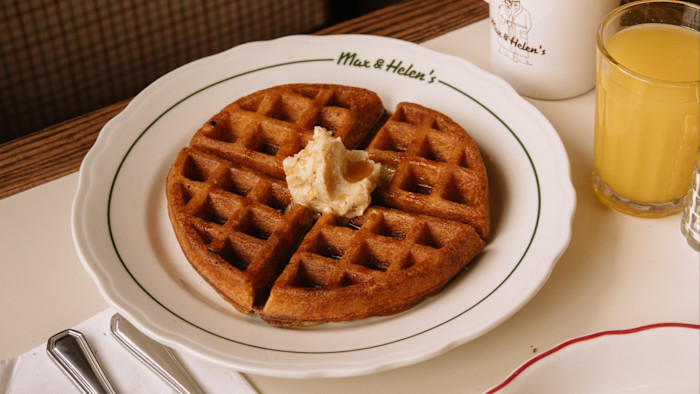
Dozens of these institutions have since closed as the hospitality industry battles rising operating costs and inflation. But the appetite for them remains. “There’s such nostalgia and sentimentality attached to the diner,” says Phil Rosenthal, co-founder of Max & Helen’s, which opened in Hancock Park, Los Angeles, last autumn to much fanfare and internet virality (customers include Jane Fonda and Timothée Chalamet). Best known for his work as the creator of Everybody Loves Raymond, Rosenthal recalls many afternoons at his local diners in Rockland County and Long Island, New York, as a teenager: “Even if you just had a little bit of money, you could pretend you were a grown-up and order all the things you loved – plus some things you maybe didn’t have all the time, like chocolate milkshakes and root-beer floats.”