https://arab.news/9zqhr
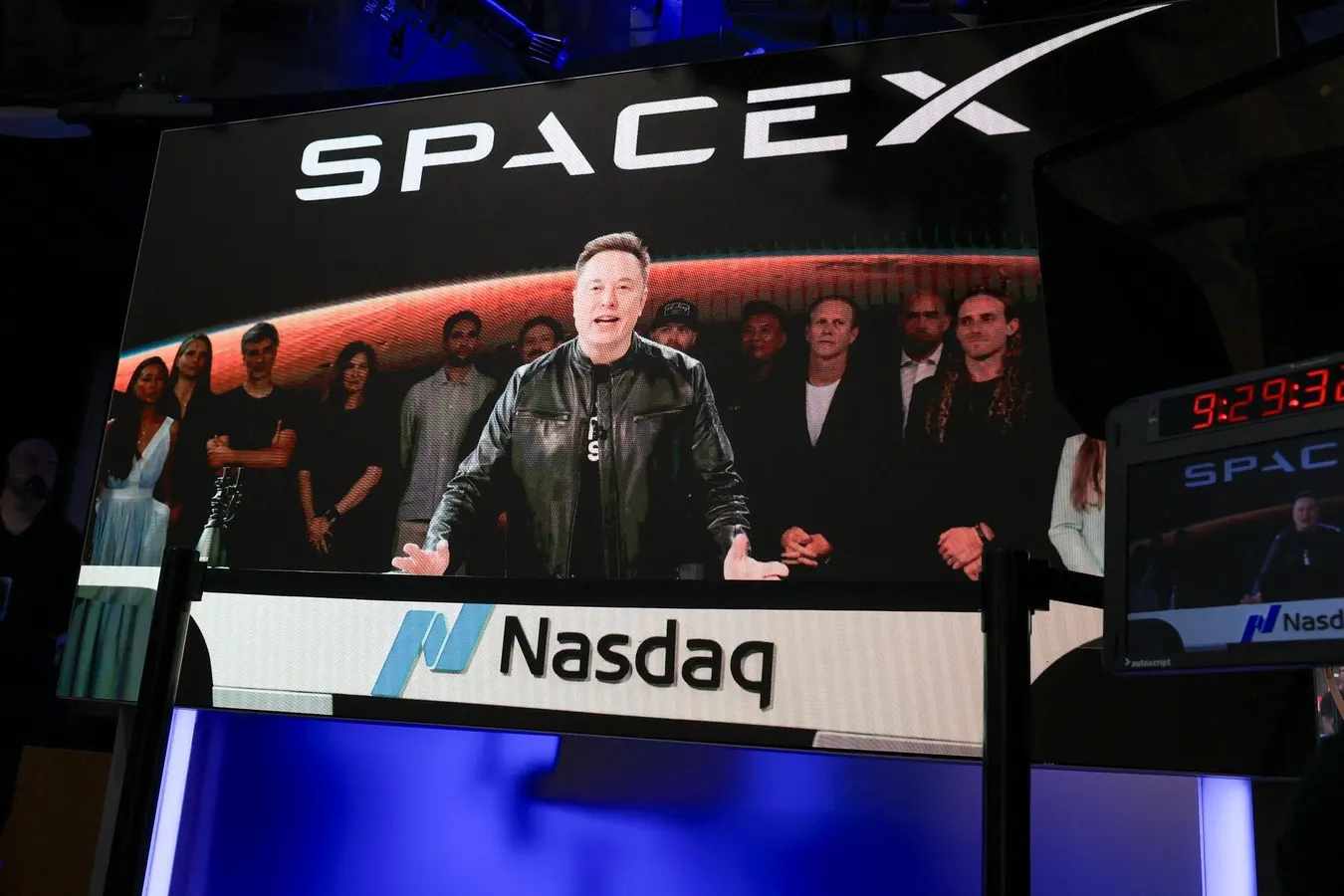
The global race to the moon just got a little more interesting. Elon Musk this week announced on X that SpaceX is shifting its focus from Mars to building a “self-growing” city on the moon. In his post, he explained that a lunar base could be achieved in under 10 years, whereas going to Mars would take more than 20 years. We must remember that, when founding SpaceX 25 years ago, Musk’s stated goal was to extend human life to Mars.
Why is this meaningful? 2025 witnessed a new record for orbital launches. SpaceX, with its Falcon 9 launch vehicle, holds an 82 percent share of the commercial market. SpaceX last year flew 165 missions, more than the rest of the world combined. In comparison, Arianespace conducted seven space launches, United Launch Alliance only six and Rocket Lab 18. But the global increase was also driven by China, which conducted 93 orbital launches. There is hence growing competition between the US and China, and Beijing has announced its goal to settle the moon. This is an important element in Musk’s shift.
The space landscape is also transforming. SpaceX’s foundation and early growth were built on massive US government support. Since 2015, it has accumulated more than $17 billion in federal contracts, with total government funding and commitments exceeding $20 billion. NASA contracts alone account for up to $14.6 billion of that total, with Space Force and Defense Department awards adding more than $5 billion. This government business has historically made up as much as 84 percent of SpaceX’s revenue.