Brain activity suggests newborns can detect and predict patterns relating to rhythm, study says
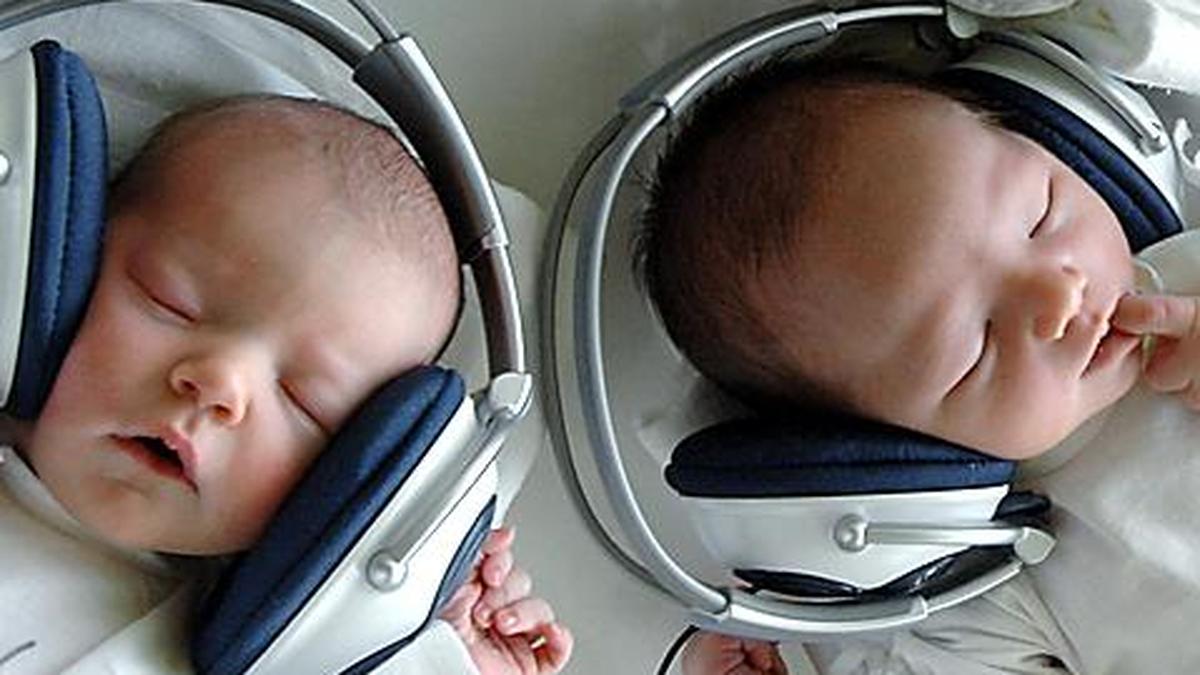
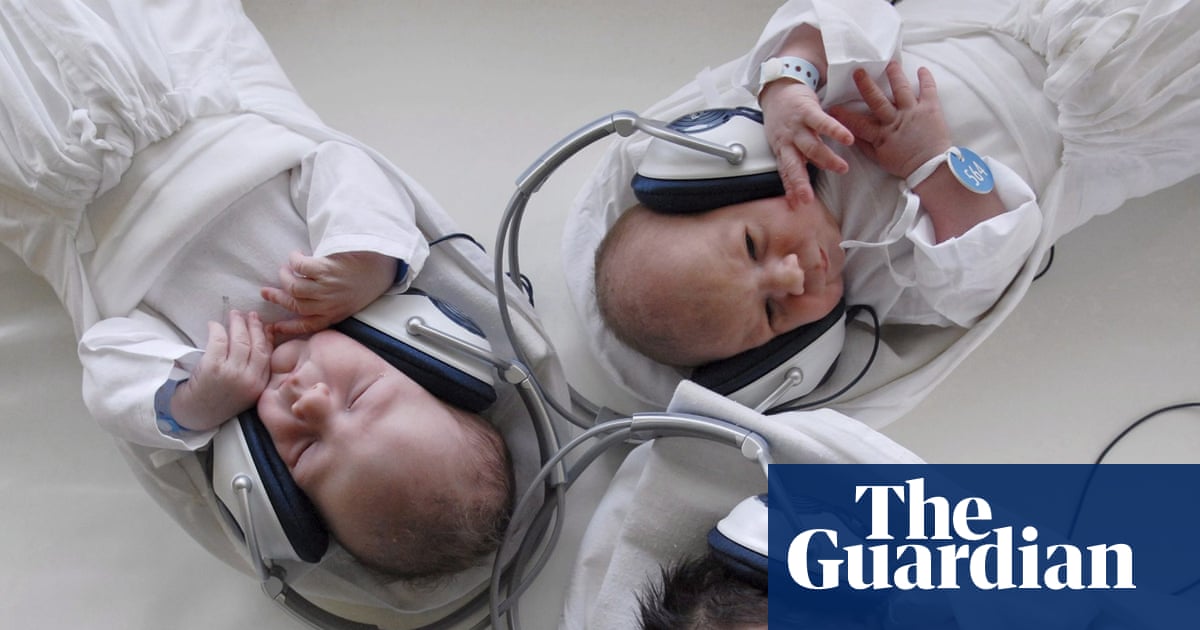
Newborn babies can anticipate rhythm in pieces of music, researchers have discovered, offering insights into a fundamental human trait.
Babies in the womb begin to respond to music by about eight or nine months, as shown by changes in their heart rate and body movements, said Dr Roberta Bianco, the first author of the research who is based at the Italian Institute of Technology in Rome.
“Previous research has also shown that aspects of musical memory can carry over from the womb to birth,” she added.
However, it was unclear how deeply different aspects of music were processed by such young brains. The study sheds light on this, suggesting newborns can detect and predict patterns relating to rhythm, but not melody.