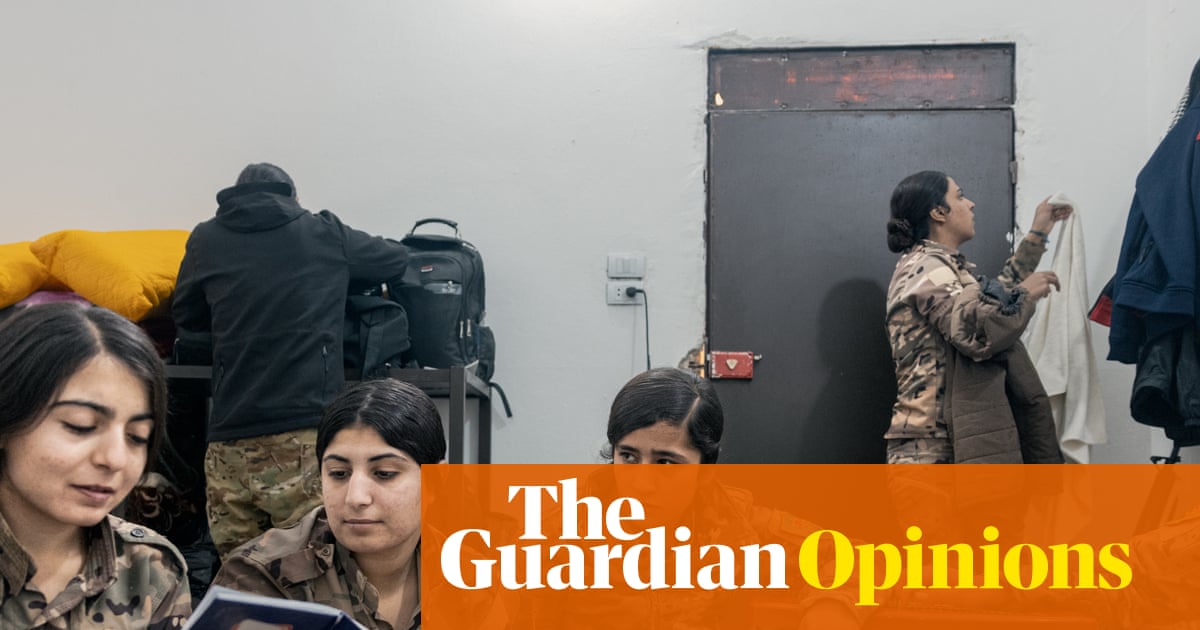
For a decade, the autonomous territory in Syria has been a bastion of gender equality. It holds important lessons for the fight against authoritarianism
A
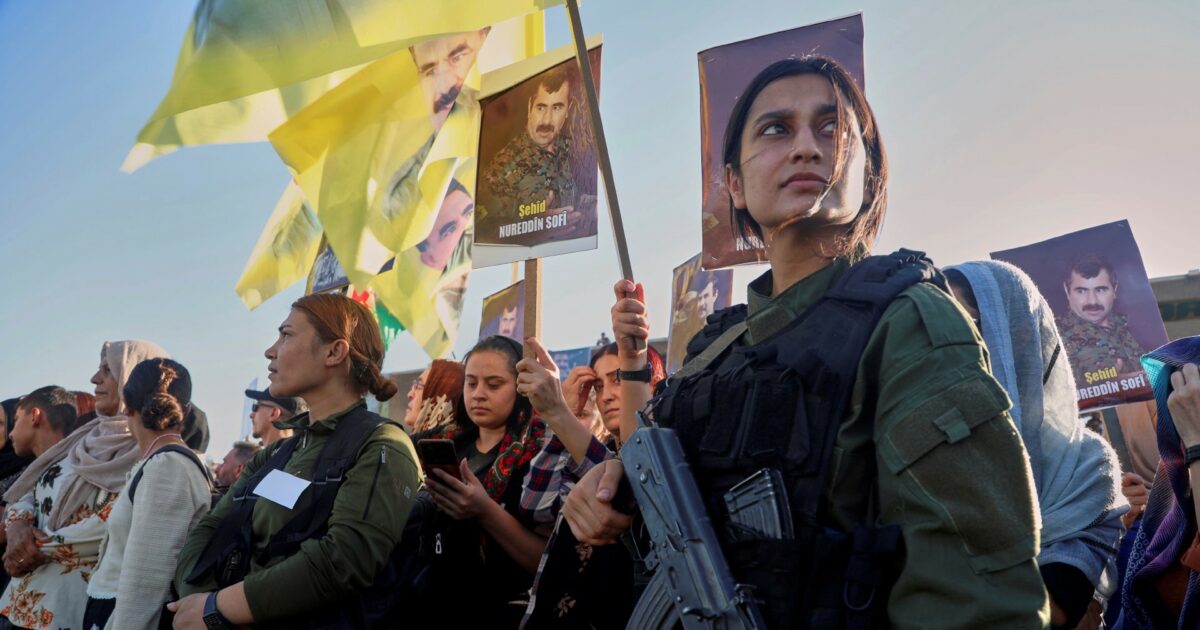
year ago, I was in north-east Syria, in the Kurdish-dominated area known as Rojava, listening to some of the most determined women that I have ever met. On my first day there, I went to a huge conference where one after another, women in Kurdish, Arab and Assyrian dress roused the audience to chants of “Jin! Jiyan! Azadi!” (Woman! Life! Freedom)!.
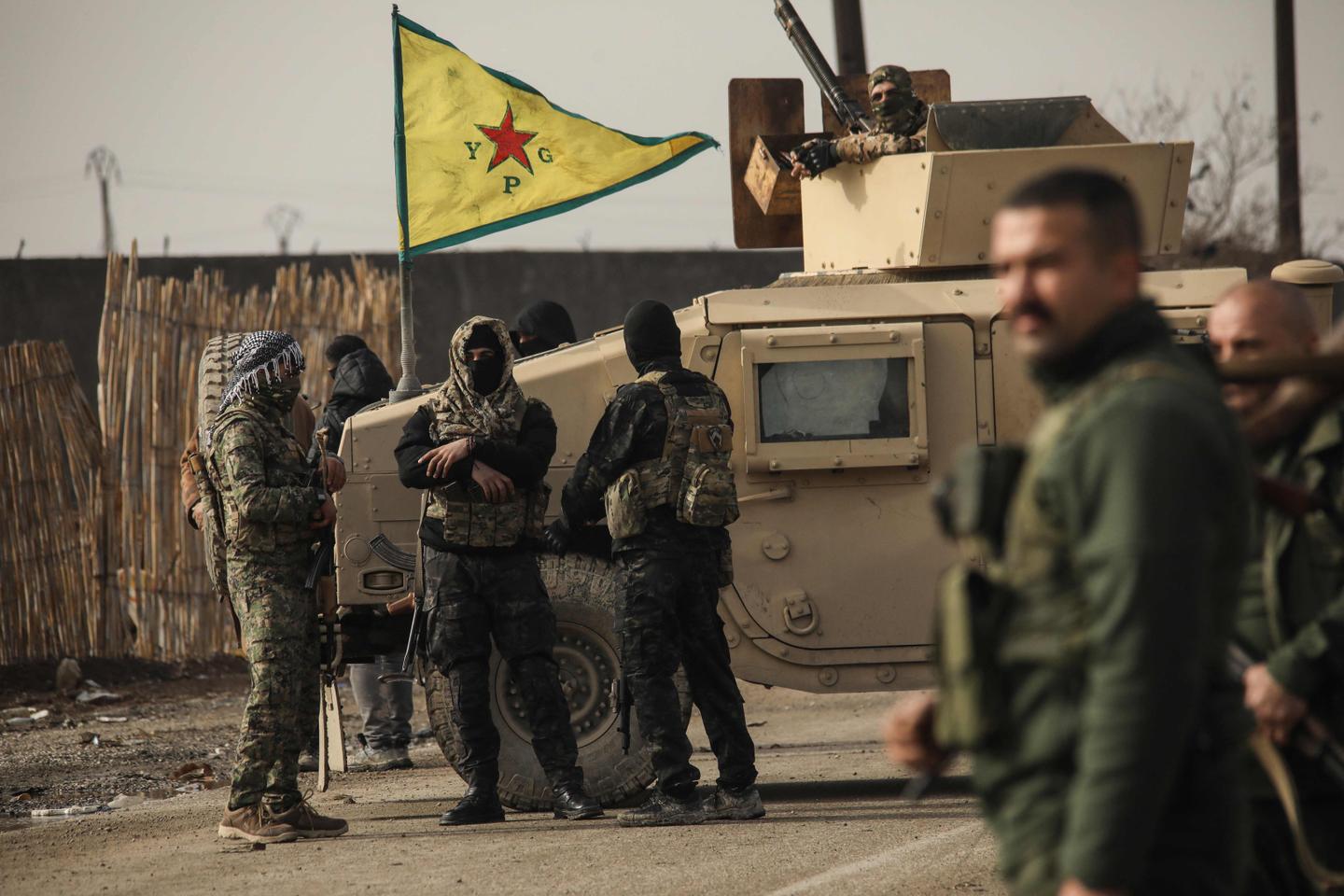
When I visited, this region of Syria had for more than a decade been governed not by Bashar al-Assad’s regime, but by an autonomous administration (the Democratic Autonomous Administration of North and East Syria, or Daanes). Its commitment to equal rights has been remarkable – every institution it set up relied on power-sharing between men and women. No wonder many of the women I met there sounded optimistic about their future. “This will be a century of women’s freedom,” one said to me. “We are in solidarity with women in resistance throughout the world.”
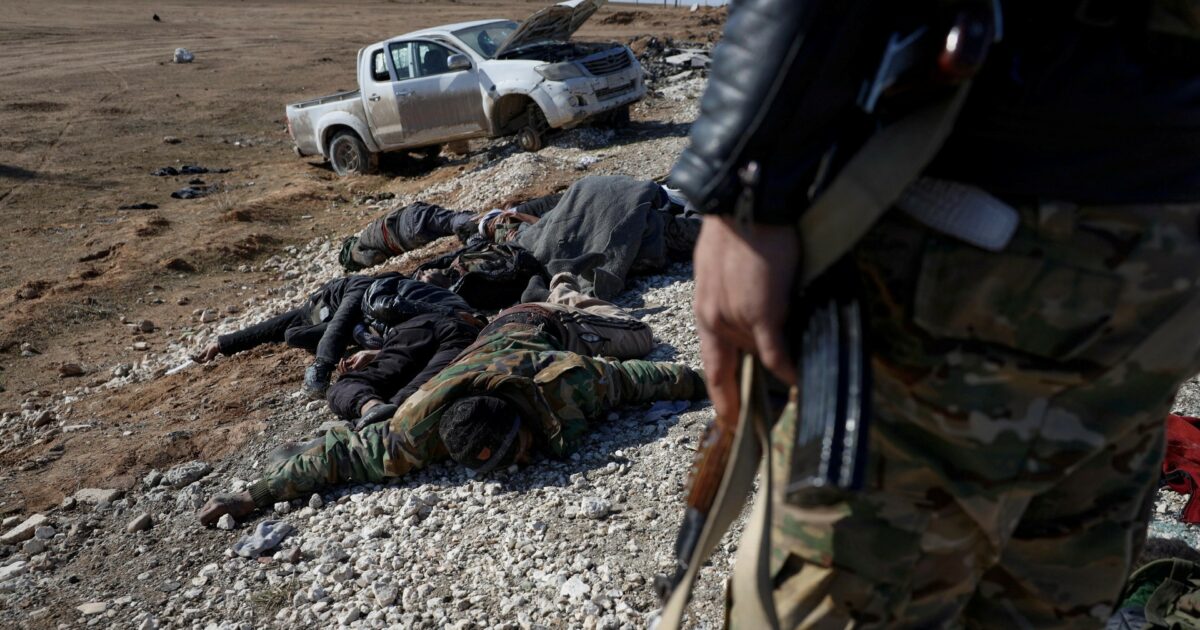
Now, I’m getting messages from these women that speak of their despair. They say the future is dark. They speak of betrayal by the west. They say they face slaughter.