I
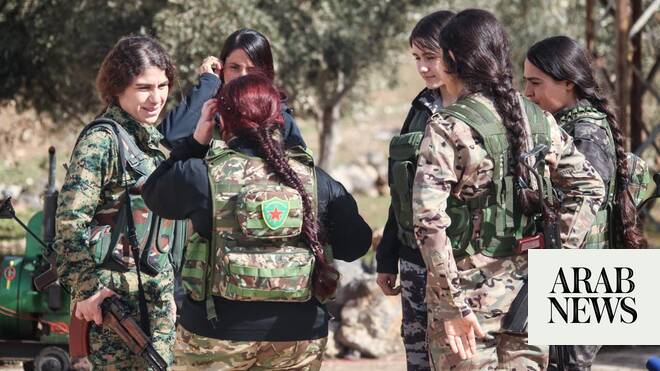
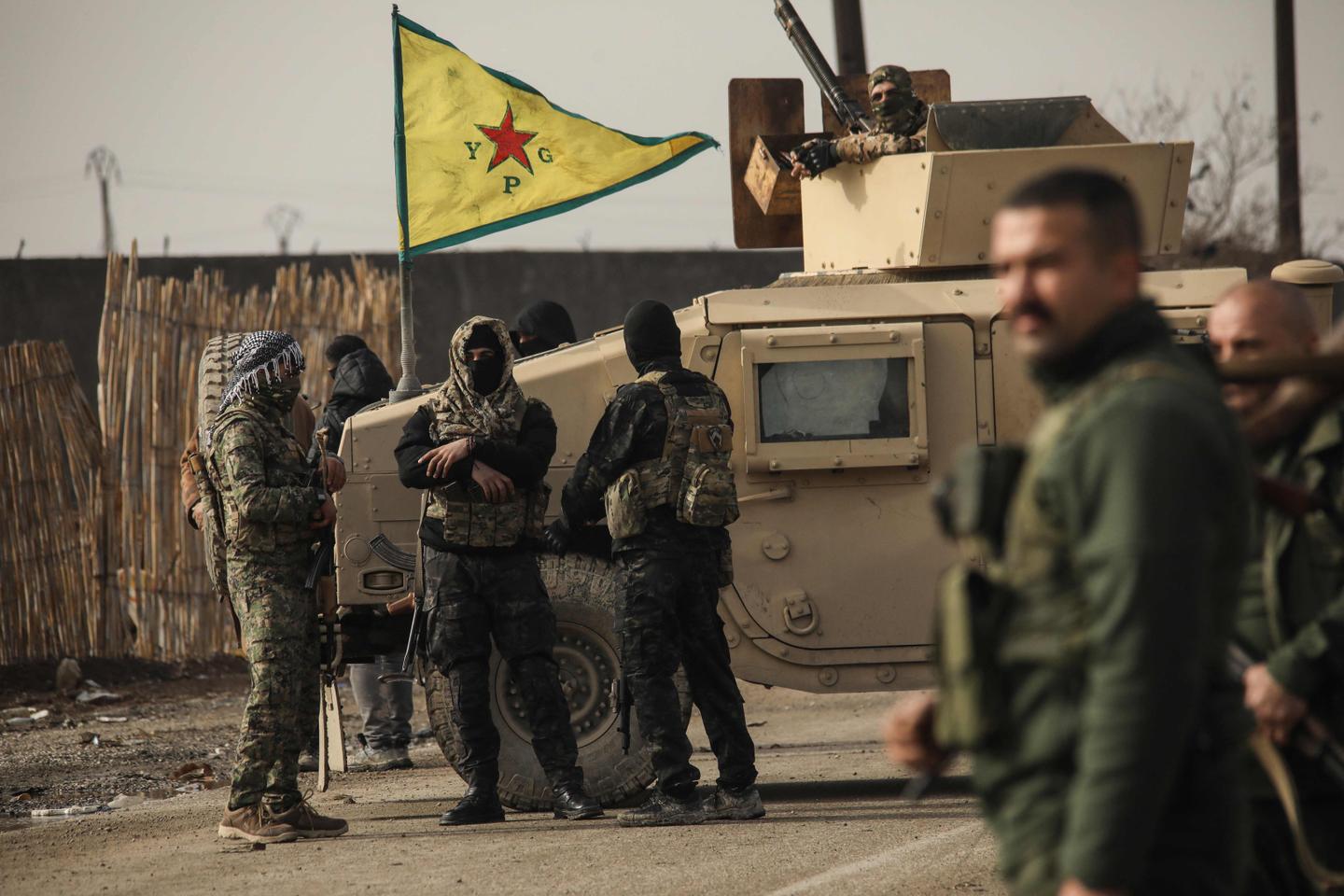
n the end, we have hardly honored our moral debt. We are abandoning those without whom the Islamic State group (IS) would not have been defeated in 2017. IS represented the most toxic form of Islamist jihadism. The group frightened Americans and Europeans alike, and was on the verge of reshaping the face of the Middle East. Without the Kurds – and, more specifically, the Kurds of Syria – IS would have wrought even more devastation, likely for a longer period.
Subscribers only
Syria's government reaches agreement with Kurds of Rojava
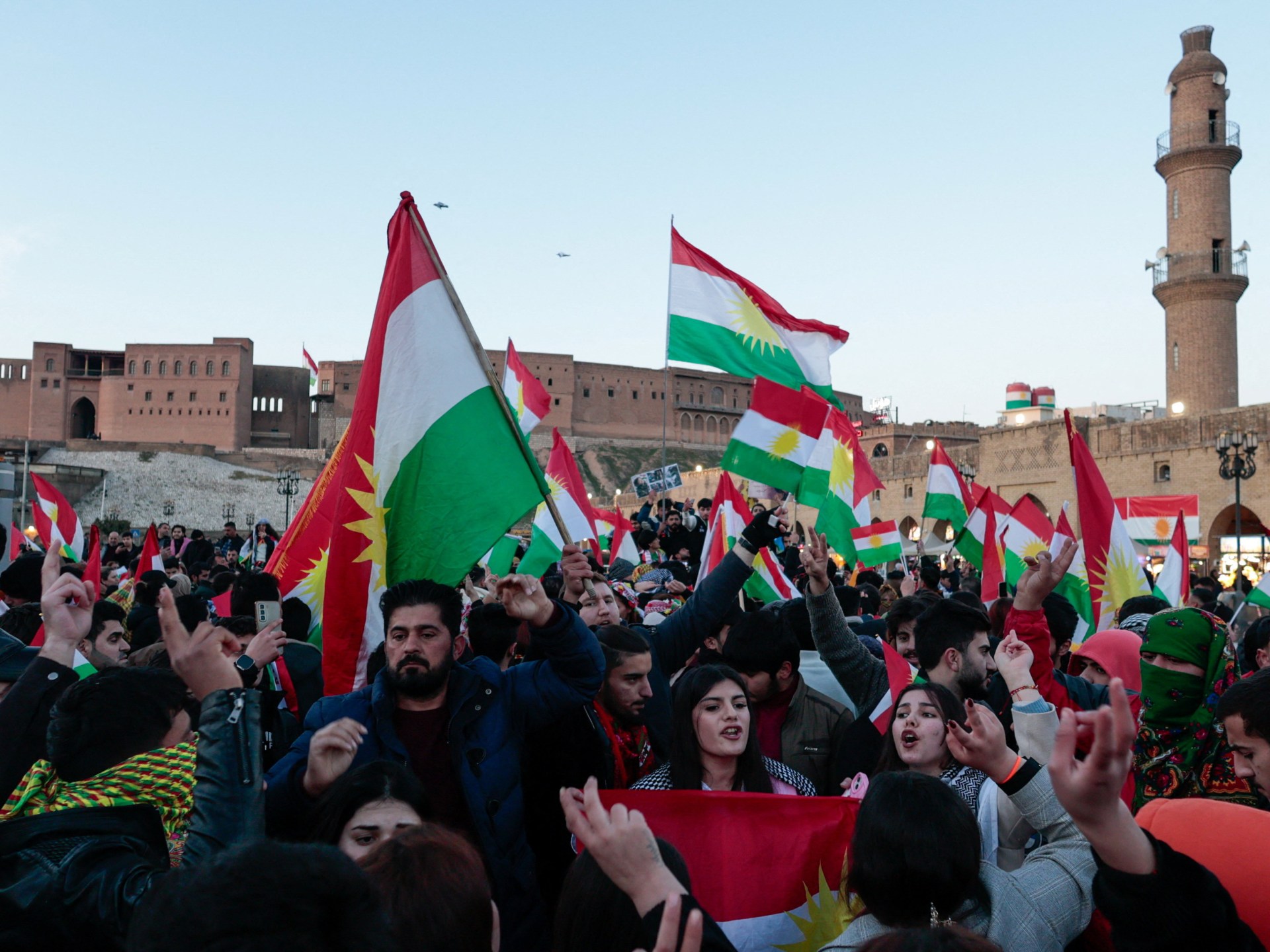
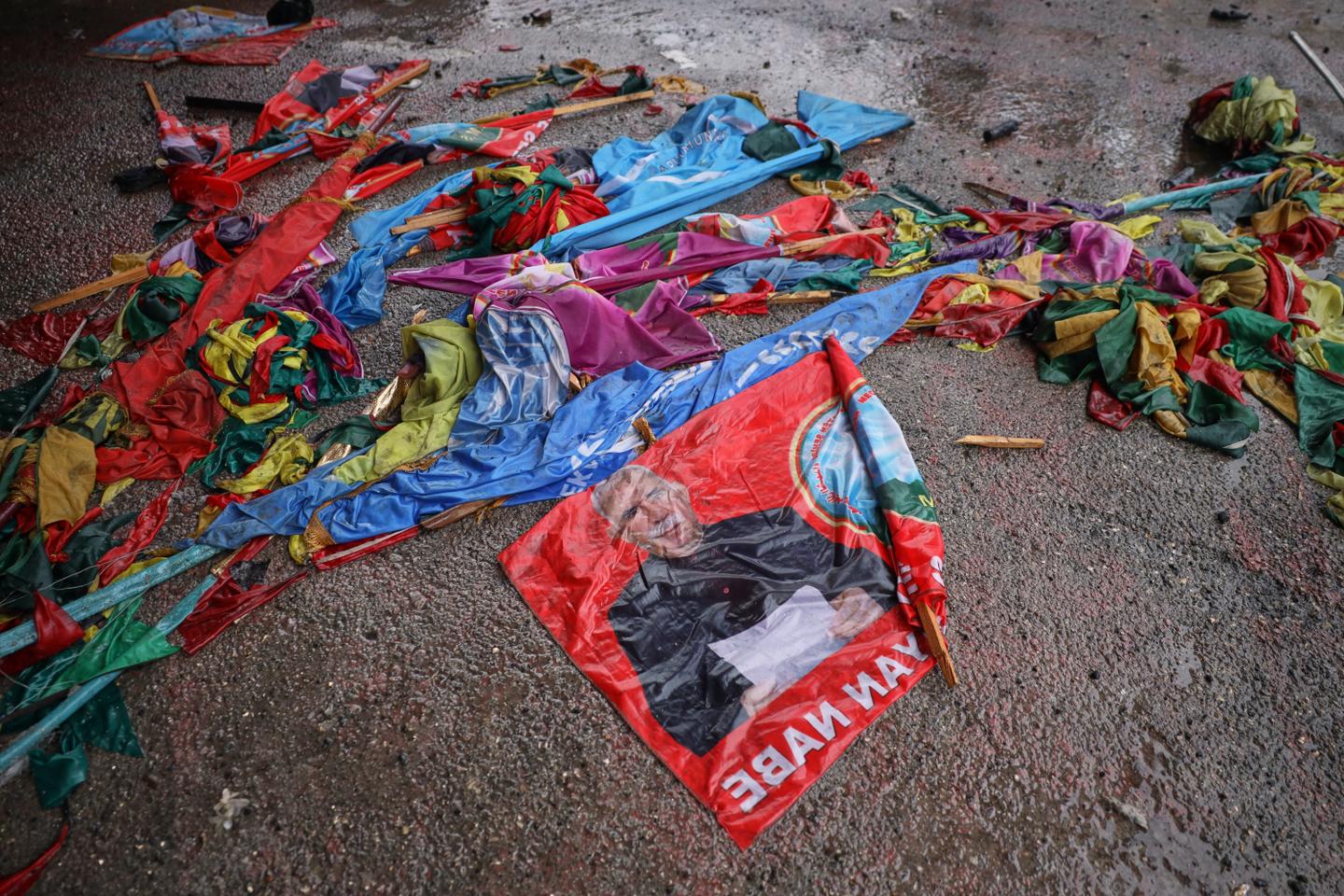
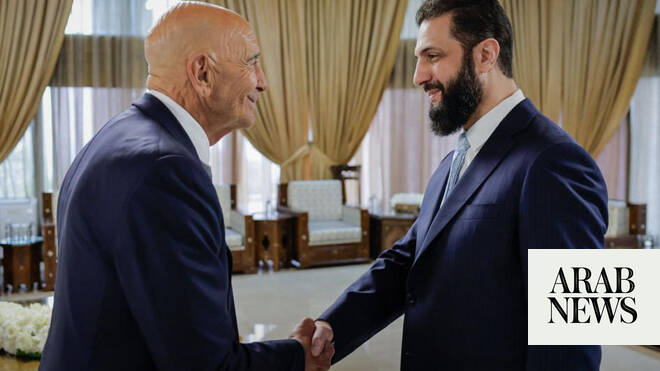
The Kurds had Western support, especially from the United States. That support has now been withdrawn as Washington deserts its former allies. The twists and turns of the brutal civil war that ravaged Syria from 2011 to 2024 allowed the Kurdish minority – three million out of a population of 23 million – to carve out an autonomous region in the country's Northeast. The Kurds called it "Rojava." The "agreement" that the new leader in Damascus, Ahmed al-Sharaa, imposed on Friday, January 30, on the leaders of the Syrian Kurdish party marks the end of the Rojava experiment. It lasted 12 years – without threatening anyone.