Wages have largely kept up with inflation since the Covid-19 pandemic started in 2020 — but for many workers, it hasn’t felt like much of a win.
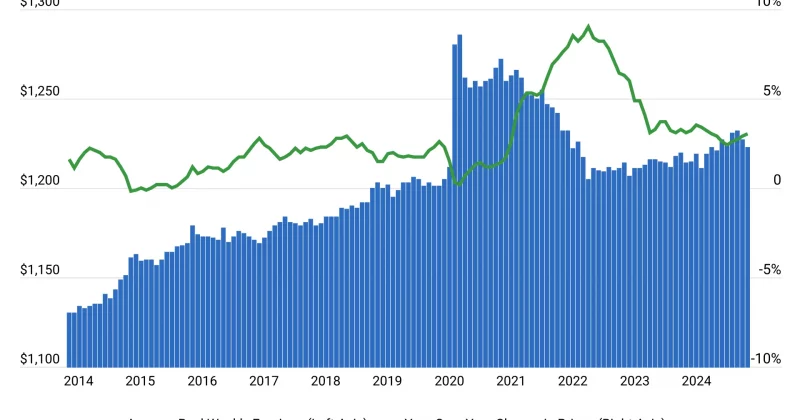
Price increases and pay gains have seesawed over the past five years, leaving inflation-adjusted wages roughly flat overall since 2020.
Meanwhile, inflation reached a post-pandemic peak of 9.1% in June 2022, but has since cooled. New inflation data released Tuesday shows consumer prices rose by a year-over-year rate of 2.7% in December, according to the Consumer Price Index, which tracks the prices of things people buy regularly, from groceries and rent to gasoline and medical care.
That brings it closer to the Federal Reserve’s 2% target, but even so, inflation has remained above that level since February 2021, and many households are feeling the squeeze.
Slower inflation doesn’t mean prices are falling — it means they’re rising more slowly. Since early 2020, cumulative CPI inflation is up by roughly 25%, marking one of the fastest increases in decades. Those higher prices are now part of everyday household budgets, especially for essentials like food and housing.