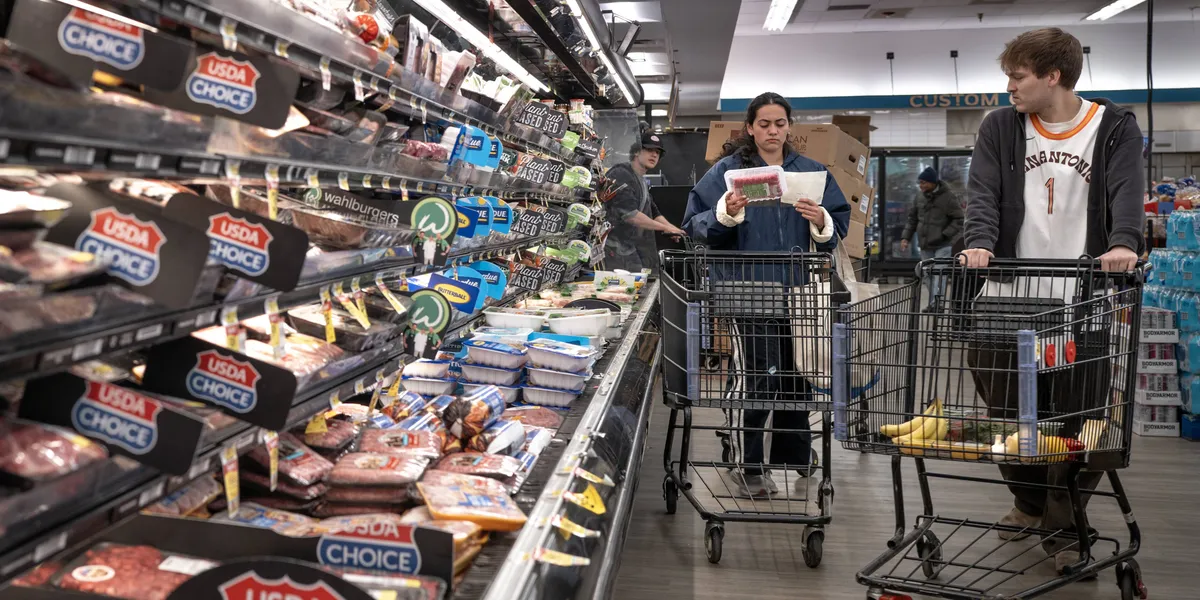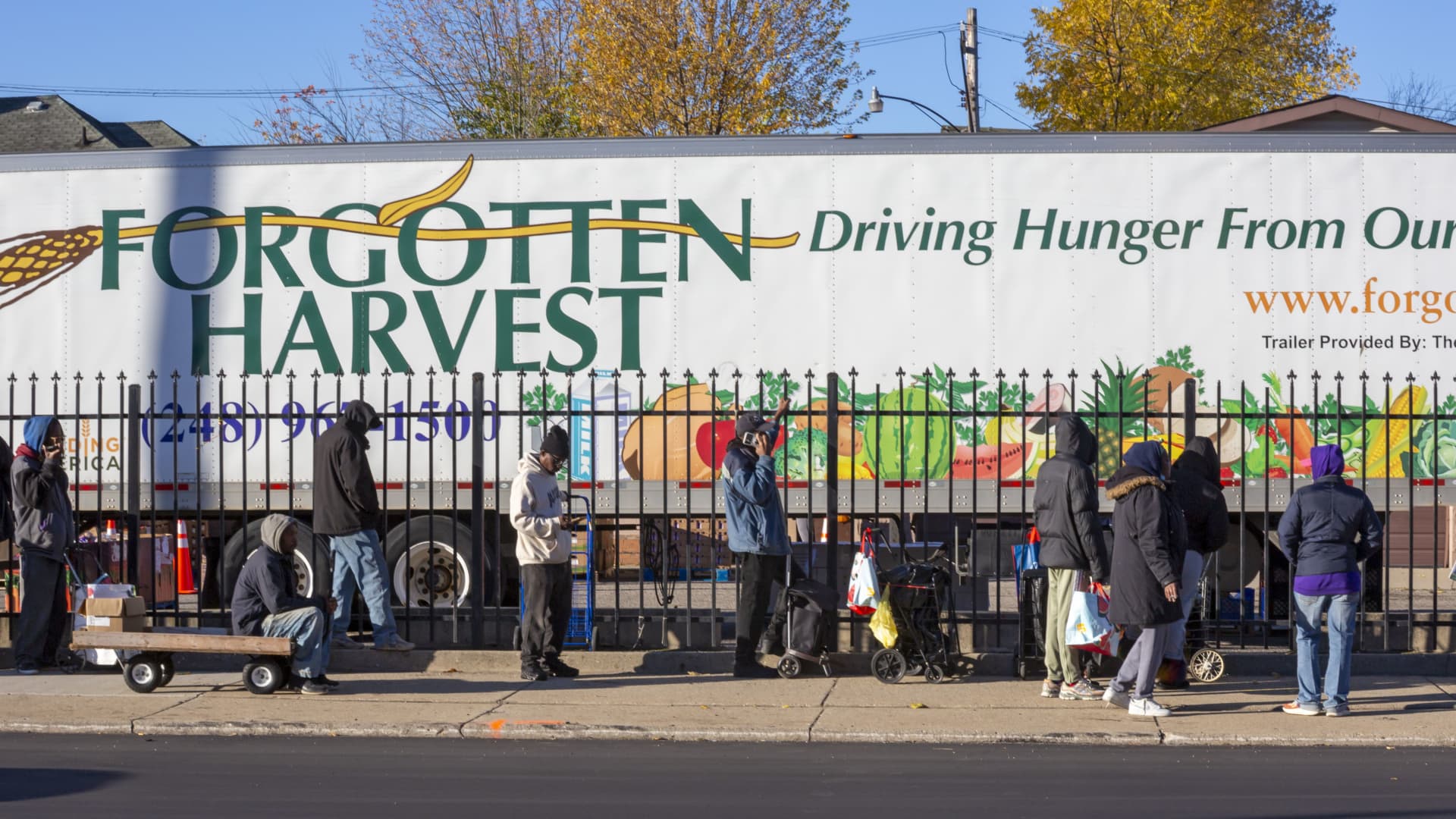
Public debate often treats economic disruptions as short-lived problems—sharp swings in prices, employment, or growth that settle once the broader economy finds its footing again. Early November’s election results suggest voters may see things somewhat differently. Candidates who focused squarely on affordability did well because households may be responding, at least in part, to something far more persistent: years of declining economic well-being that do not roll back once the headlines move on.
For decades, policy conversations have too often accepted a simple assumption: that it is only rational to tolerate short-run turmoil in exchange for long-run stability. In this model, policymakers adjust course—sometimes modestly, sometimes not at all—while workers, small-business owners, jobseekers, and caregivers are expected to weather the turbulence. In theory, these shocks are supposed to fade, and the greater good is served by merely bandaging the complaints of lower-income groups until the headline metrics herald an apparent return to normalcy. In practice, however, households experience these shocks—and their aftermath—very differently. And while some economic turbulence is truly inevitable, appreciating the disconnect between the picture painted by the aggregate indicators and the ripple effects households feel is a necessary step towards identifying policies that can improve affordability.