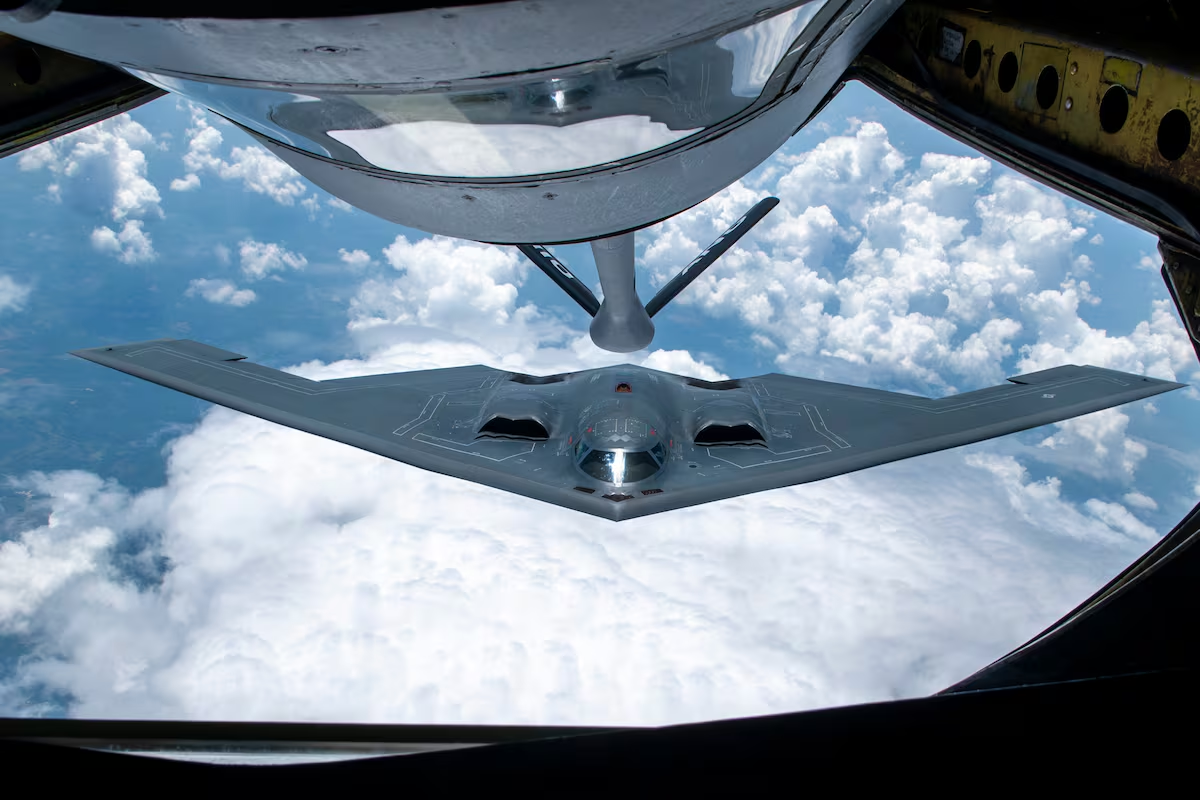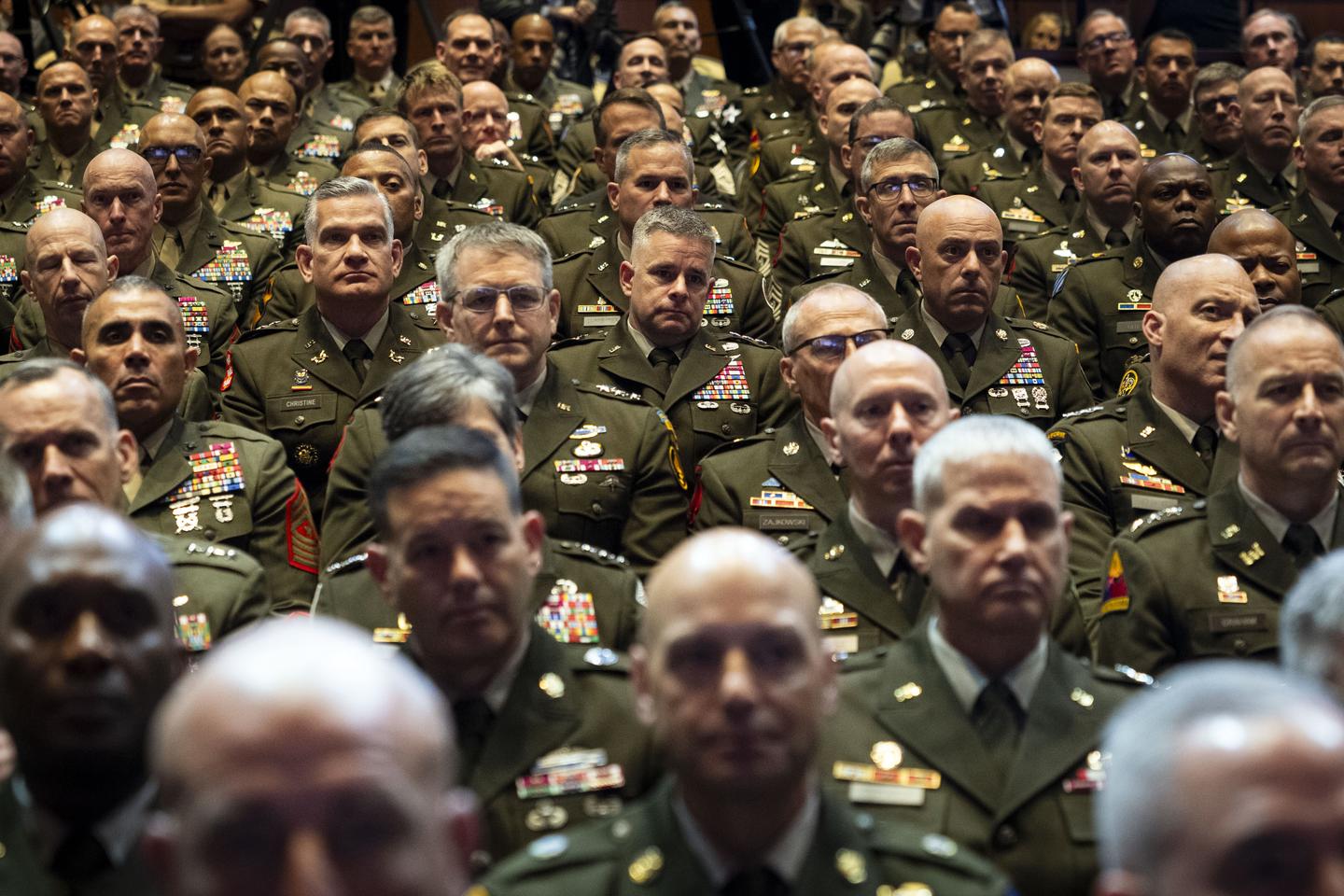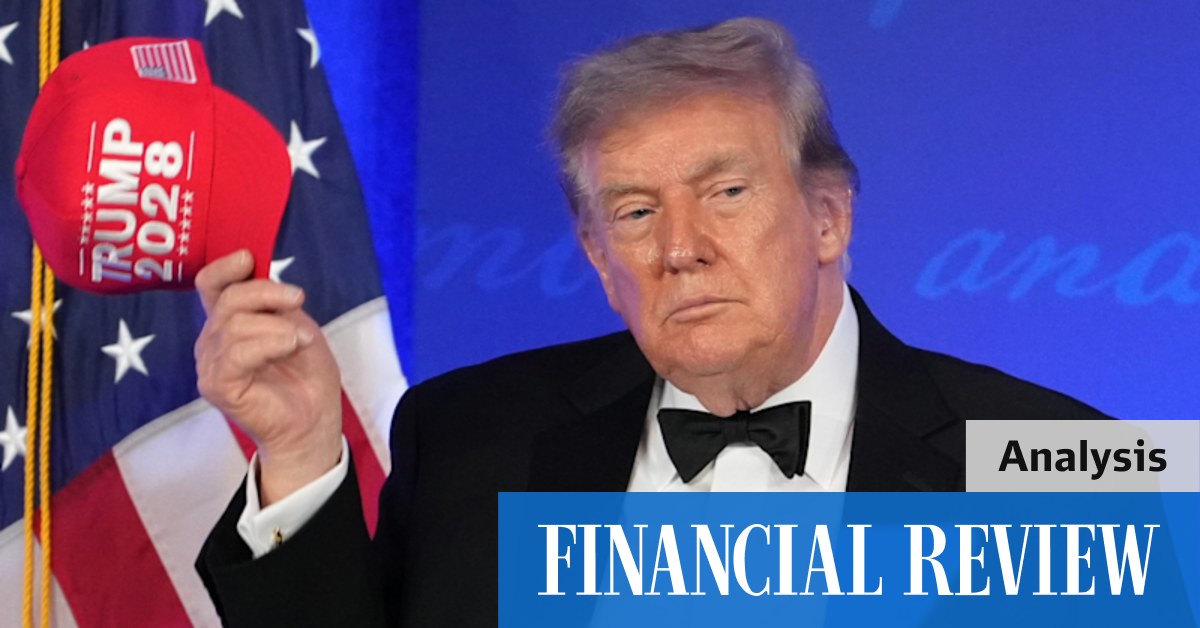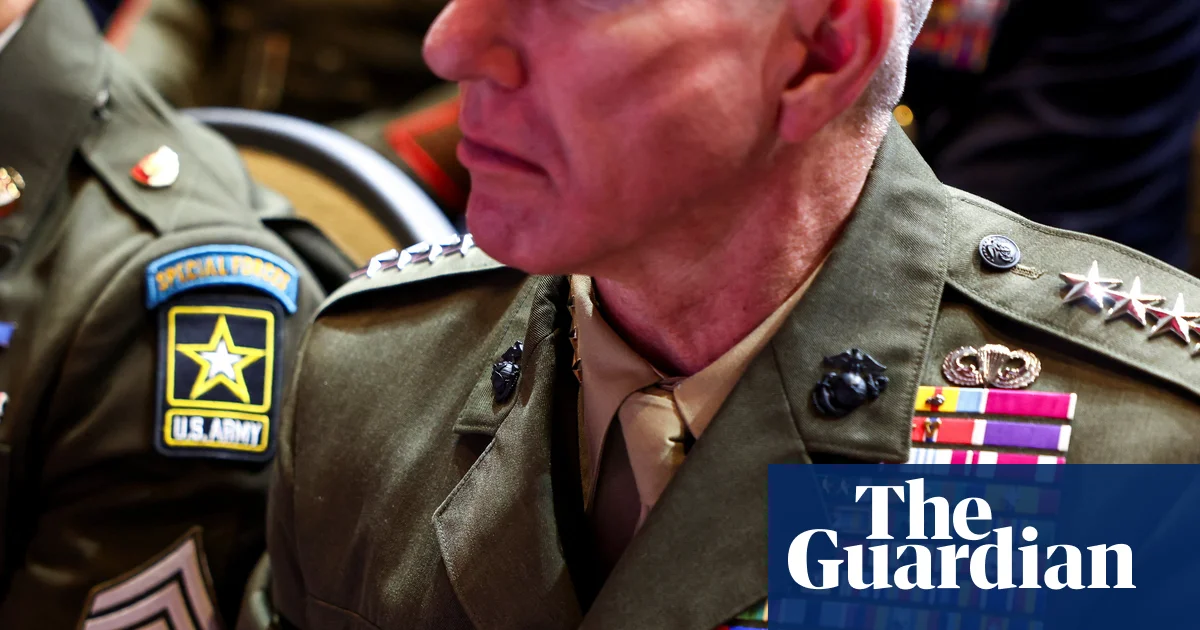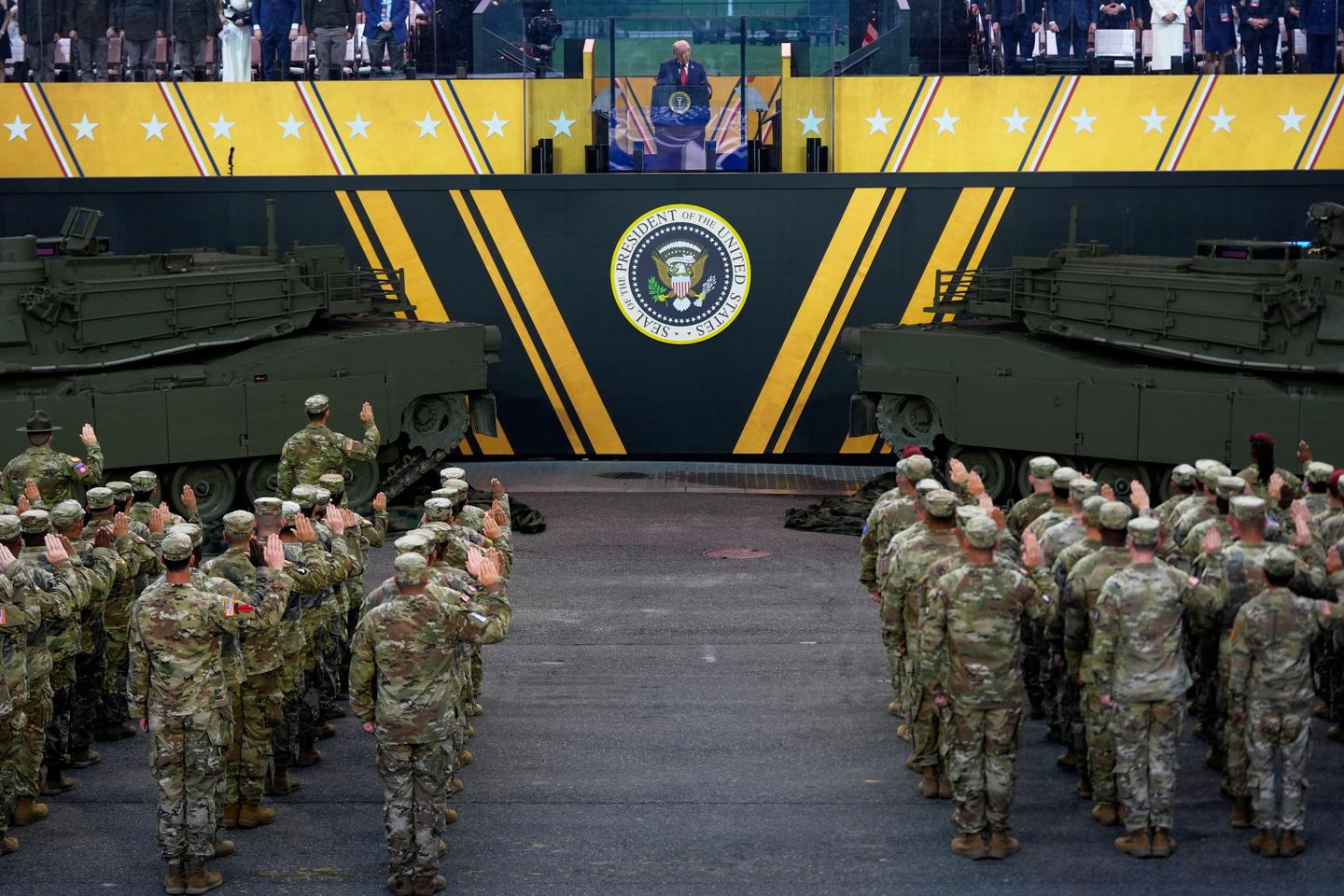
onald Trump has a fondness for the military in general, and for the US military above all. To him, service members embody two essential virtues: excellence and obedience. Eliminating the jihadist "caliph" Abu Bakr al-Baghdadi in his Syrian hideout in 2019, killing the head of Iran's Islamic Revolutionary Guard Corps, Qassem Soleimani, in Baghdad in 2020, bombing the Islamic Republic's nuclear sites in 2025, capturing Nicolas Maduro on Friday night, January 2... The military knows how to get the job done, and the commander-in-chief's self-congratulation makes for "good television," another criterion to which the US president is particularly attached.
With the "Donroe Doctrine" – once again, that obsession with rushing to put his name everywhere – there is no more talk of "soft power" or "smart power," but rather the blunt force of the hammer and the length of its handle. A hammer has its advantages, but it is not known for its capacity for reflection, while questions have already begun to mount.
The first question concerns the accumulation of open cases less than one year after Trump's return to the White House in January 2025. The end of fighting in Ukraine, which was supposed to be achieved within 24 hours, remains a pious wish despite the humiliation of Volodymyr Zelensky in the Oval Office in Washington in February, and the red carpet rolled out for Vladimir Putin in Anchorage, Alaska, in August. Thirty days of American bombings targeting Houthi rebels in Yemen, from April to May, ended in a remarkable status quo, for a modest bill exceeding $1 billion. The 12-day war against Iran's nuclear program in June probably did not achieve the proclaimed destruction either.