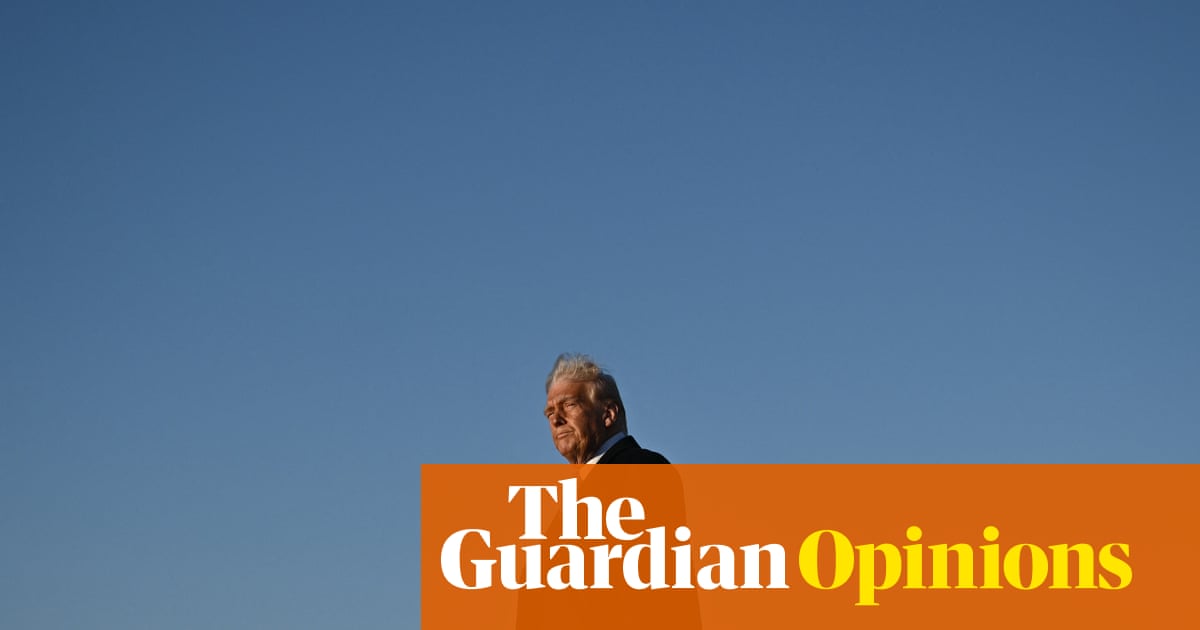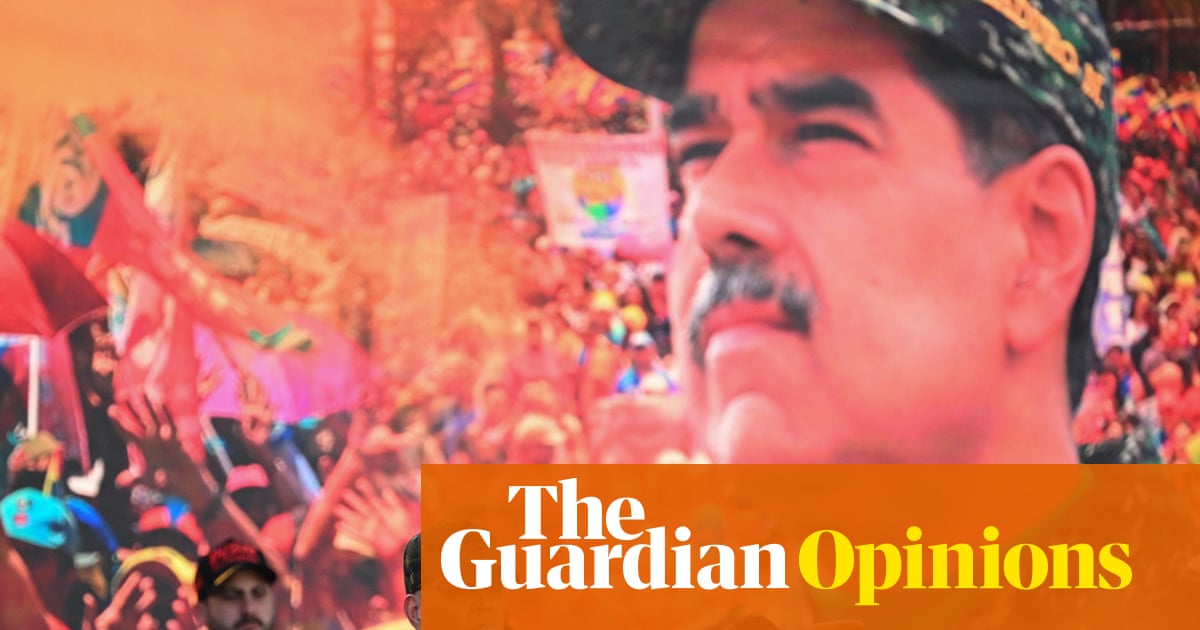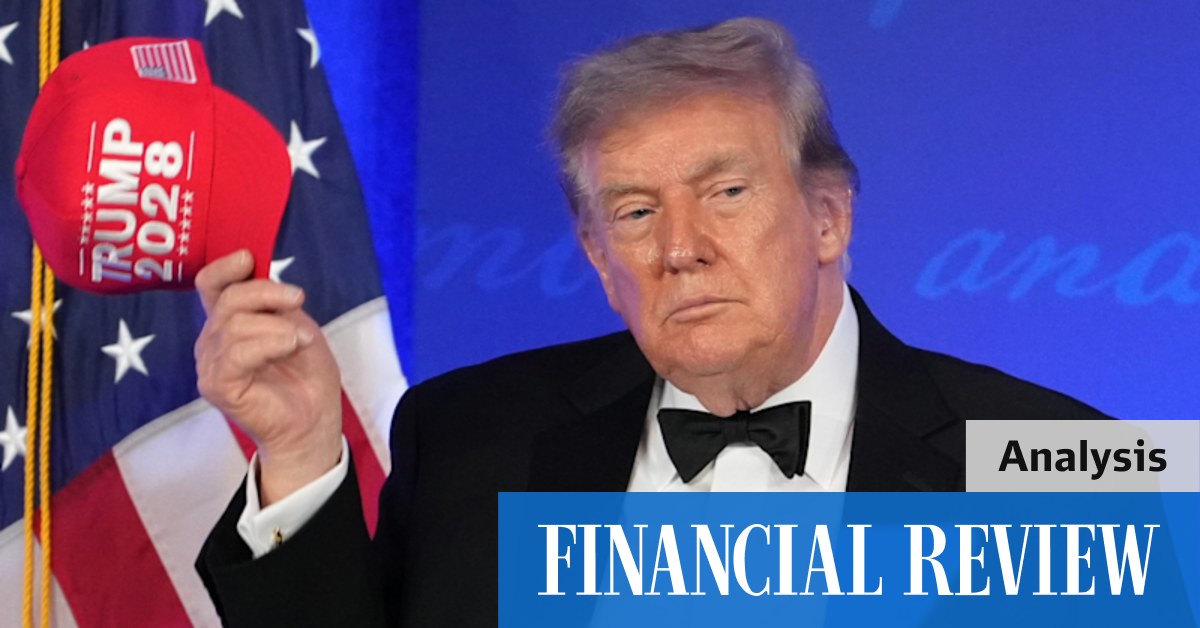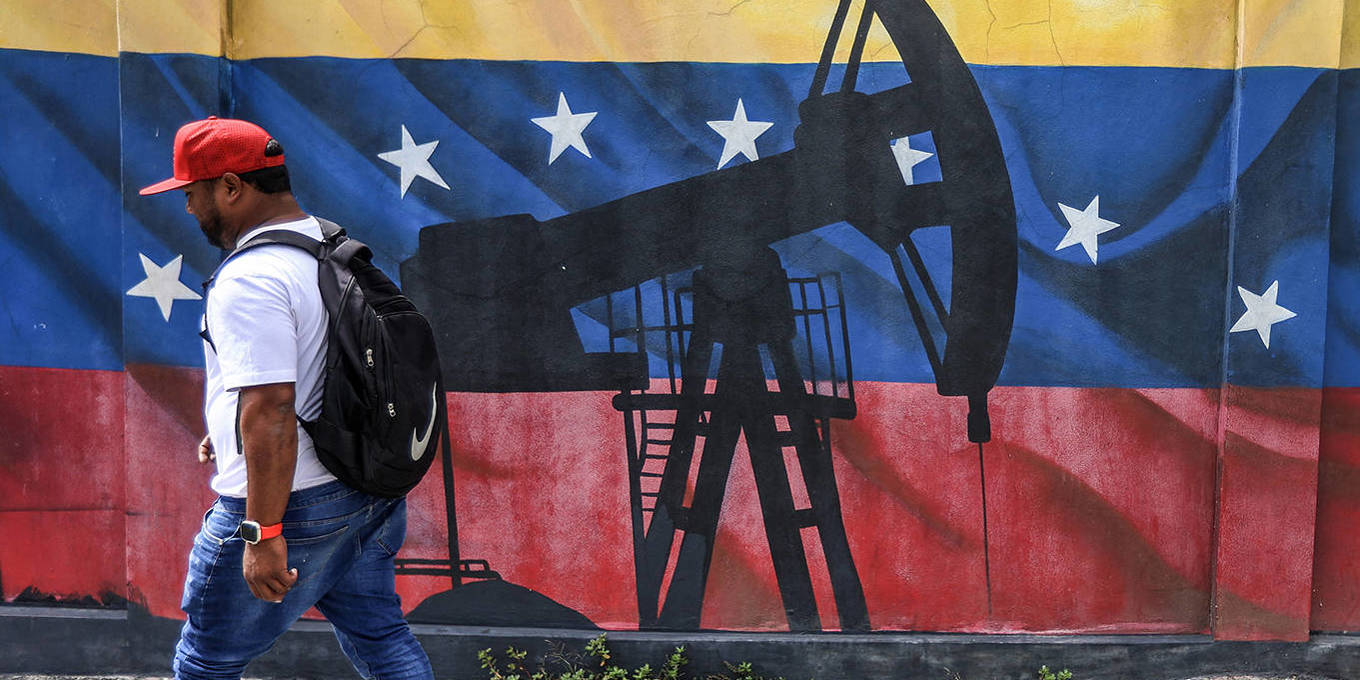
The US president used largely fictitious charges to seize control, but can’t know how Venezuelans will react. He may also overstep now as regards Iran
uring his presidential campaigns, Donald Trump pledged to end “forever wars”, abandon “nation-building” interventions and focus instead on reviving a US economy that, in his telling, had been deindustrialised by a floodtide of imports. Though Trump’s electoral victories cannot be attributed to any one thing, his “America first” narrative certainly struck a chord.
But Trump’s use of force to seize the Venezuelan president, Nicolás Maduro, his full-bore support for Israel’s demolition of Gaza and his bombing of Iran’s nuclear enrichment installations show that he’s no less willing than his predecessors to resort to military interventions.
Trump already had Maduro in his sights. He offered a $50m bounty for information leading to his capture, blockaded Venezuelan ports to stop sanctioned oil tankers and accused Maduro of involvement in drug trafficking. Still, it’s a safe bet that few outside the administration expected Trump to swoop into a country, grab its president and haul him to the US.
Maduro will be tried for drug trafficking and “narco-terrorism” conspiracy, a fuzzy formulation suitably ominous to justify a move of dubious necessity and legality. The Trump administration hasn’t provided evidence tying Maduro to narcotics trafficking, nor has it proven that Venezuela posed a clear and present danger necessitating an armed attack.