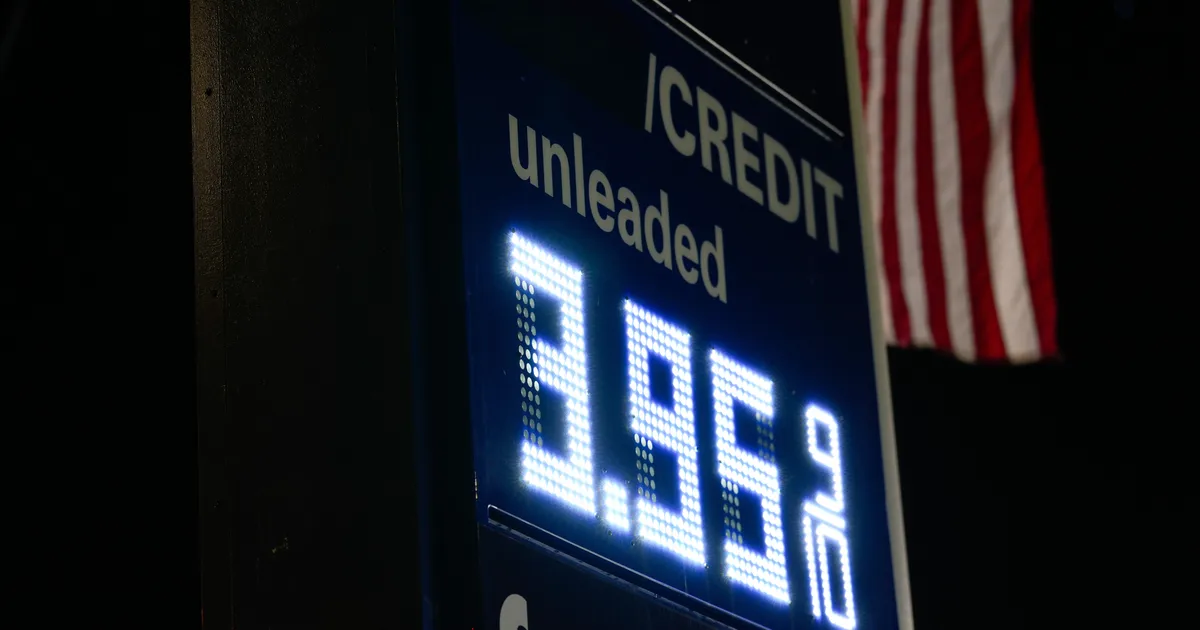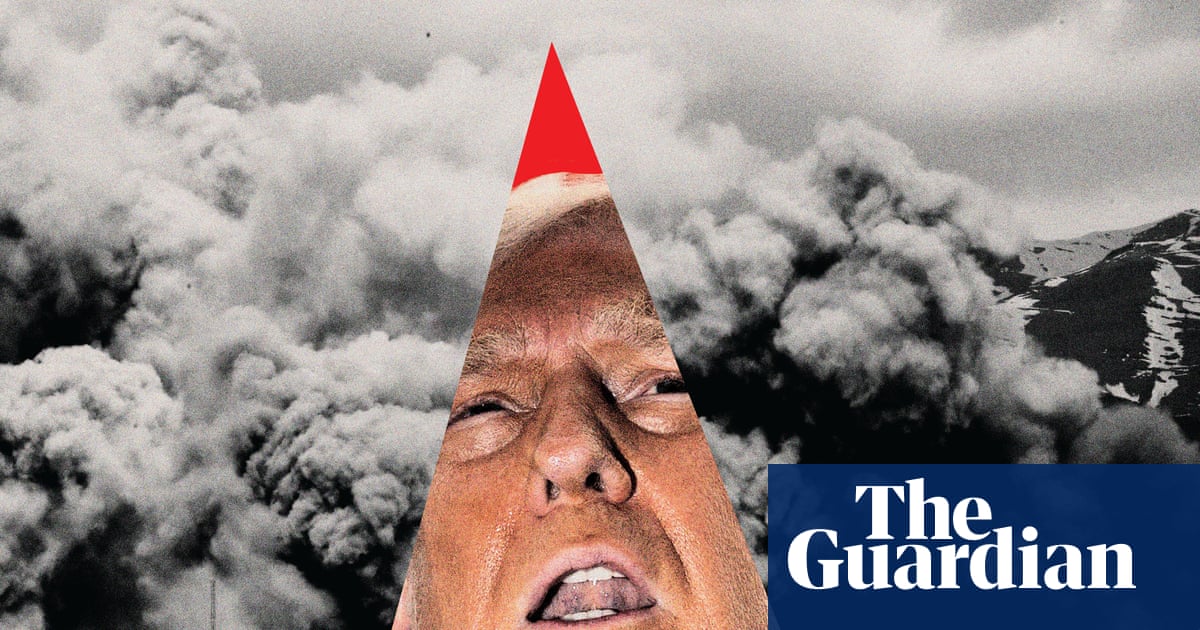
The war is deeply unpopular, and the spike in oil prices will mean long-term high prices across the board for Americans
Donald Trump is still high on the capture of Nicolás Maduro. The easy abduction of the Venezuelan president didn’t just grant Trump control of the nation’s oil and critical minerals resources. It allowed him to throttle the government of Cuba by denying it access to energy, raising the tantalizing prospect that he might bring down a communist regime that has annoyed Washington since 1959.
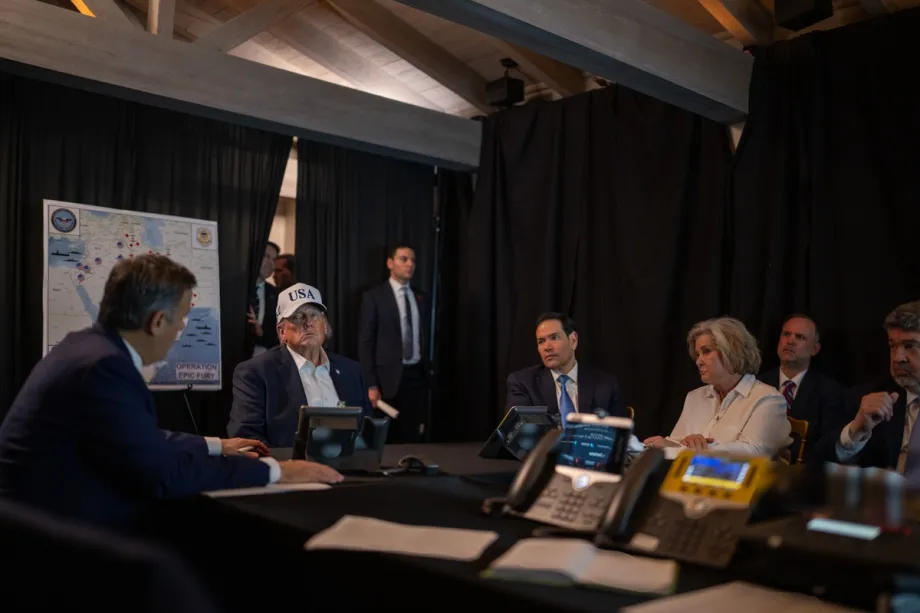
Trump is confident that his joint venture with Israel in Iran will do just as well. The barrage of Iranian missiles and drones aimed at Israel and Iran’s Arab neighbors has done nothing to change Trump’s mind that he can win, regardless of how he defines “winning”.
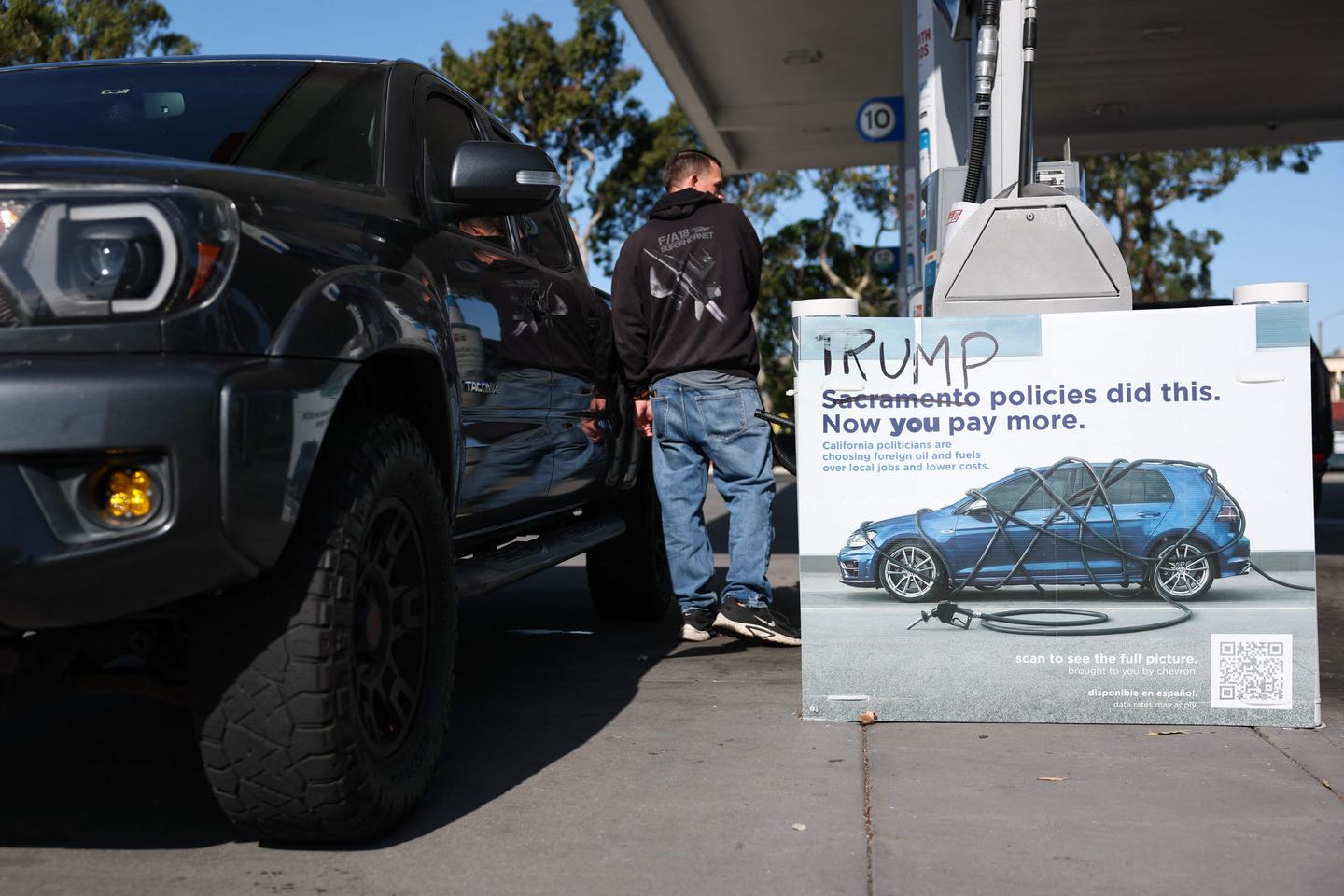
Whatever the war does to energy markets, the American economy can take it. “Short term oil prices, which will drop rapidly when the destruction of the Iranian nuclear threat is over, are a very small price to pay for U.S.A., and World, Safety and Peace,” he noted on social media. “ONLY FOOLS WOULD THINK DIFFERENTLY!”
Trump’s feeling of invincibility is also due to the fact that his erratic policymaking, so far, hasn’t caused as much damage as originally feared. Despite his wall of tariffs, his dismemberment of the federal workforce, his deportation of immigrant workers and his relentless attacks on the Fed, just a few weeks ago leading economists were wondering whether the economy may achieve that most difficult of feats: a soft landing from the era of high inflation.