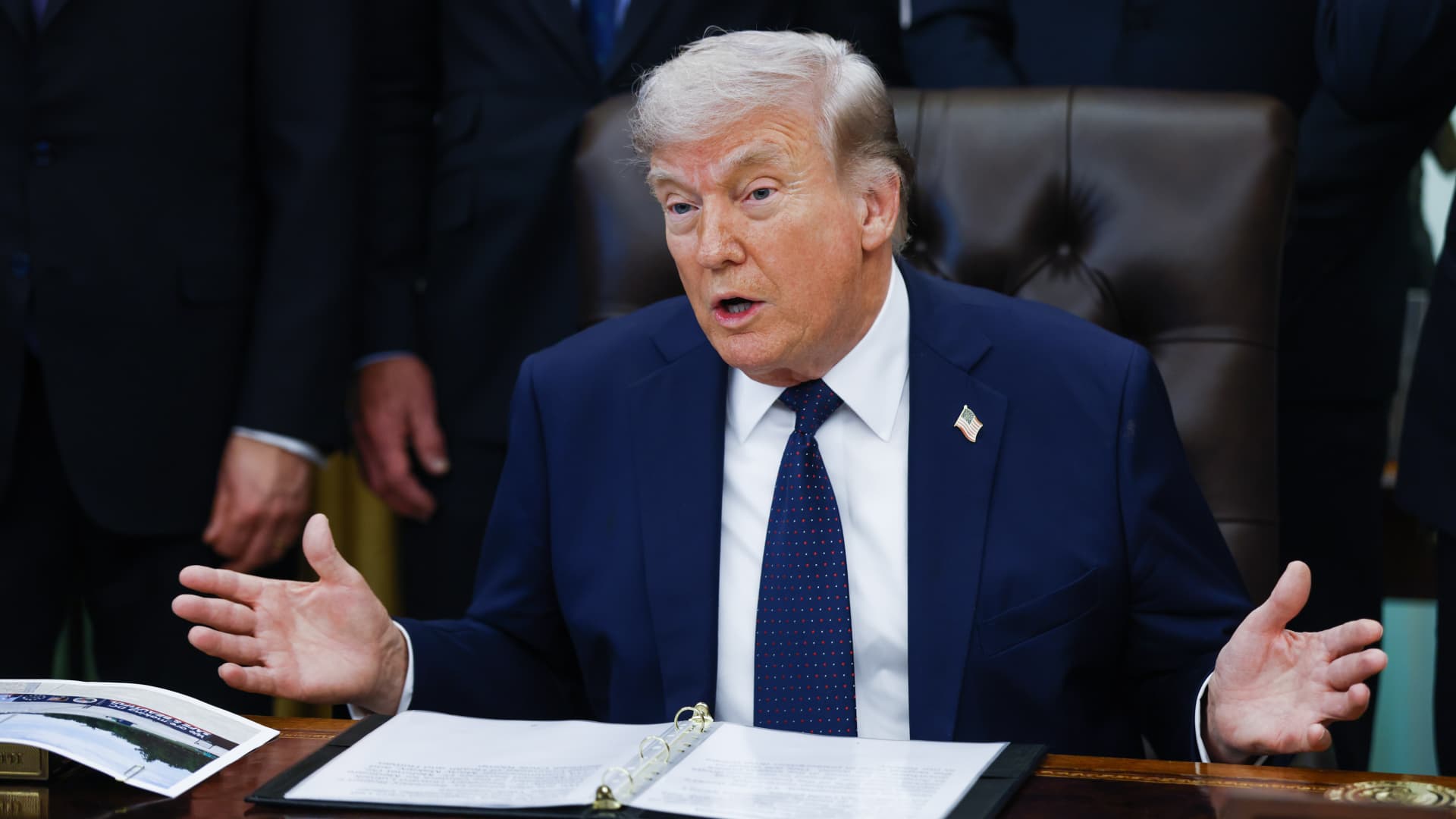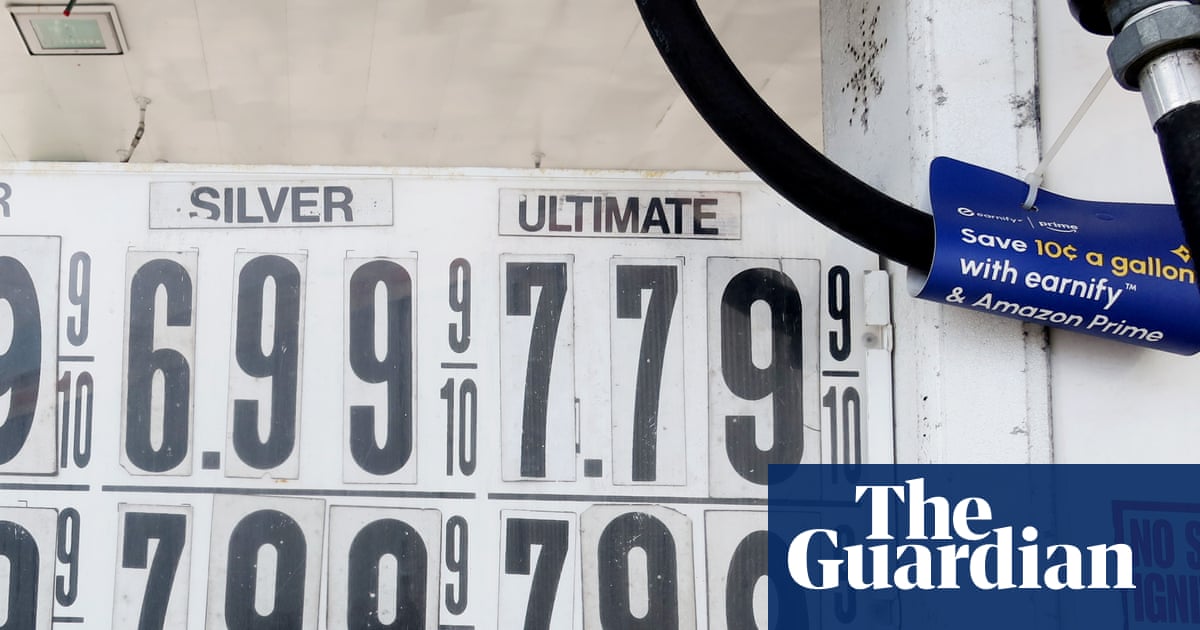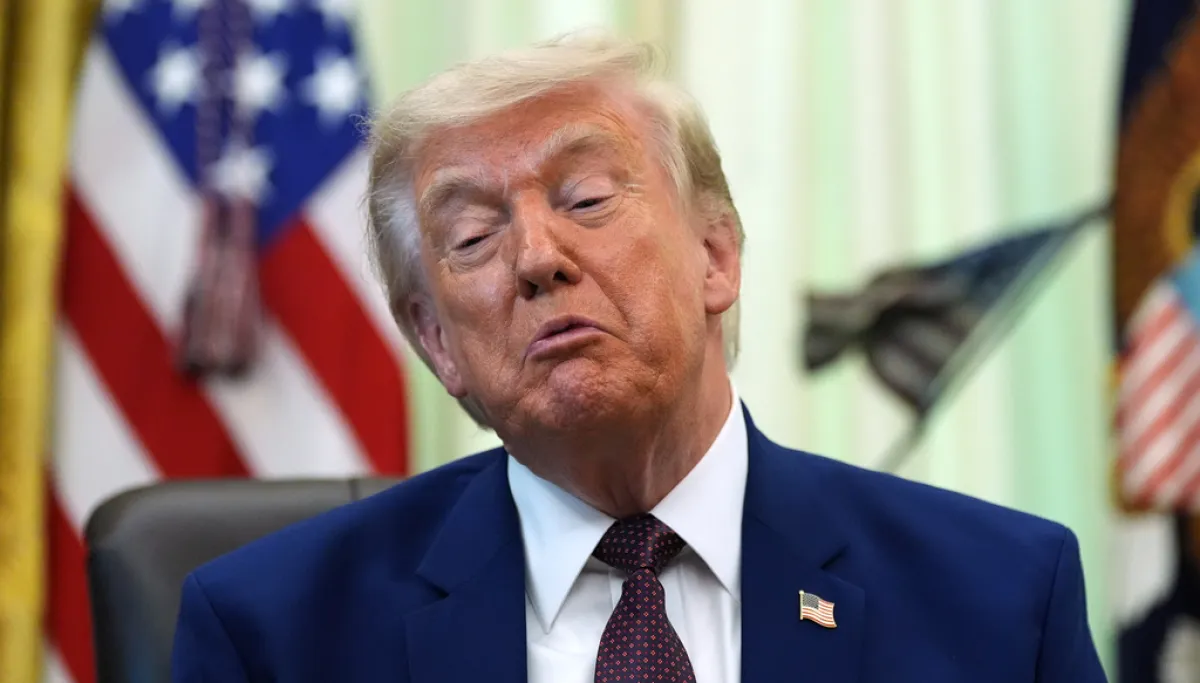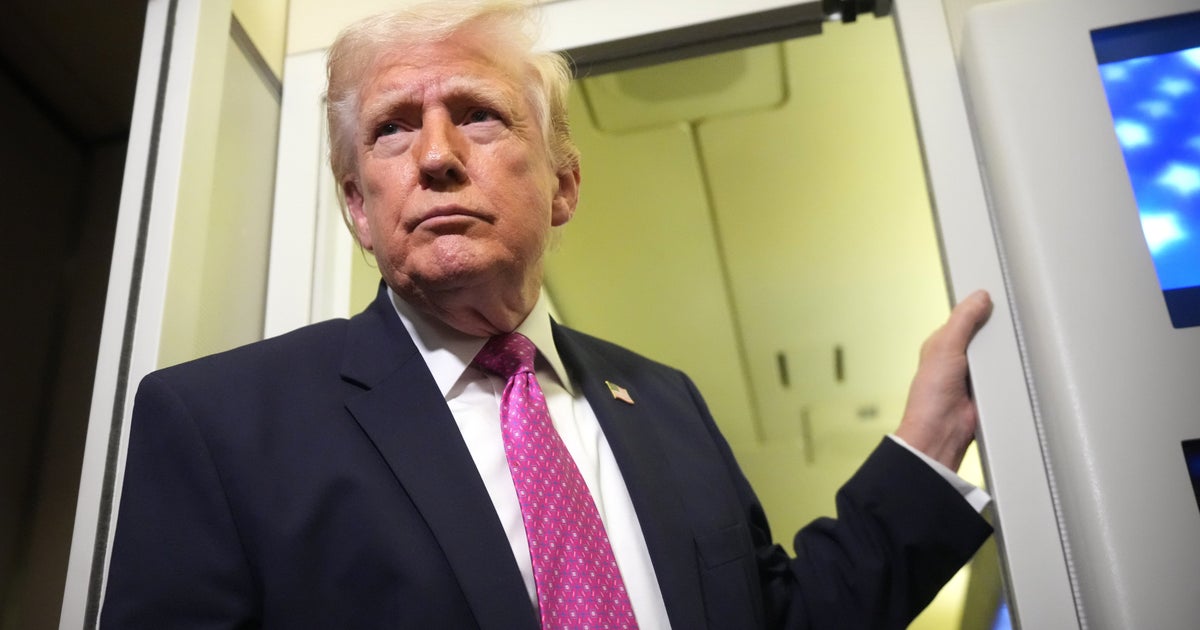
The Strait of Hormuz is still closed, and it isn’t poised to open anytime soon. Donald Trump signaled on Wednesday that he intends to keep the U.S. blockade in place until Iran cries “uncle” and says, “We give up.” The longer the strait stays closed, the less likely any sort of return to normalcy gets.
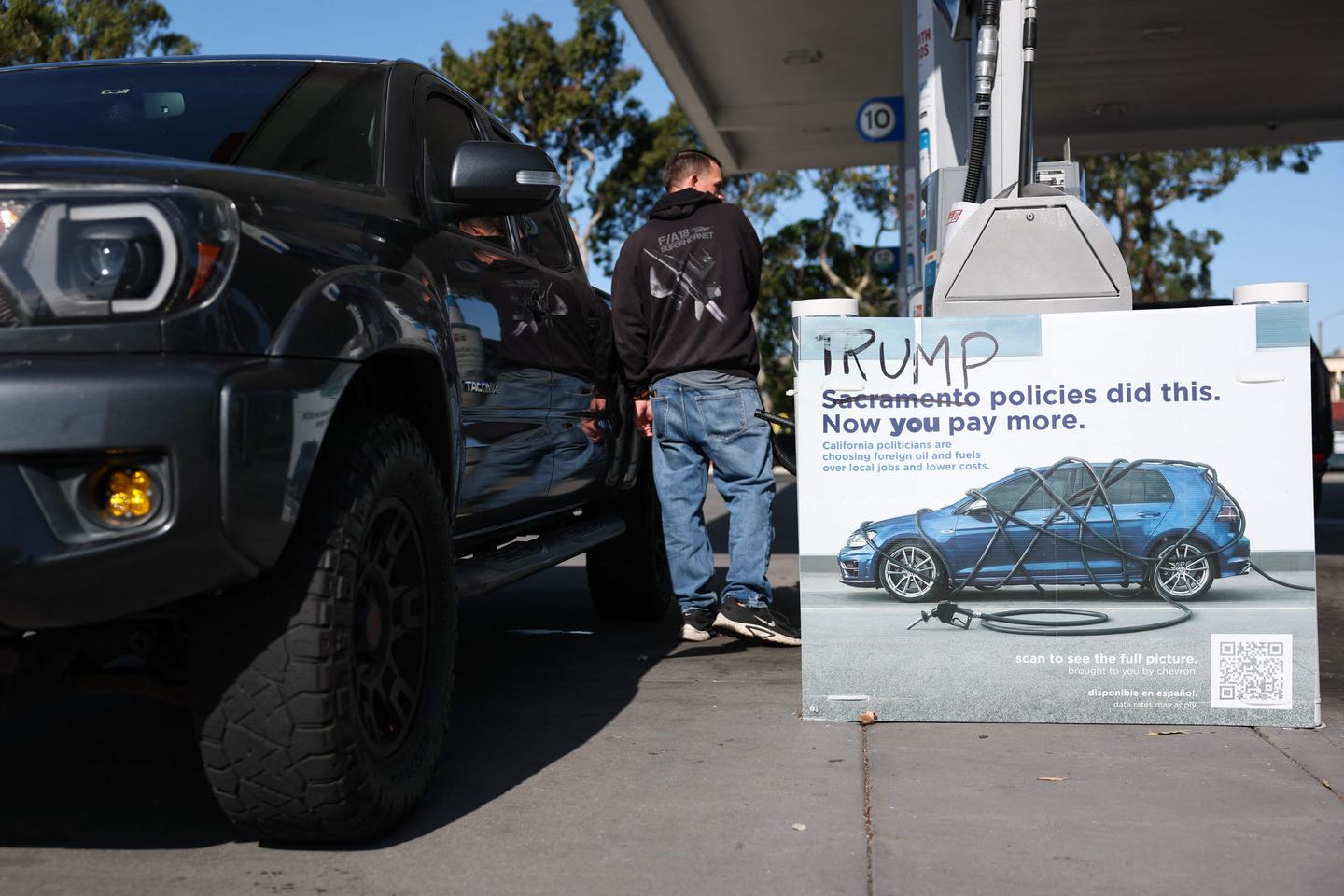
Soon, this mounting human and economic disaster will crash into another climate-changed summer. Fatih Birol, the head of the International Energy Agency, warned last week that the world faces “the biggest energy security threat in history.” Surging jet fuel prices and shortages threaten everything from commercial air travel in Europe to fighting wildfires in the western United States. Making matters worse, a potential super El Niño could trigger heat waves across Asia, further increasing demand for air conditioning and, accordingly, fossil fuels. Droughts or flooding from that weather pattern could force hydropower stations to shut down or reduce output, compelling hydropower-dependent regions to increase their demand for increasingly scarce, pricey supplies of oil and gas. The combination of extreme weather and shortages of gas-derived fertilizers that typically flow through the Strait of Hormuz stands to exacerbate a looming, climate-fueled global food crisis.