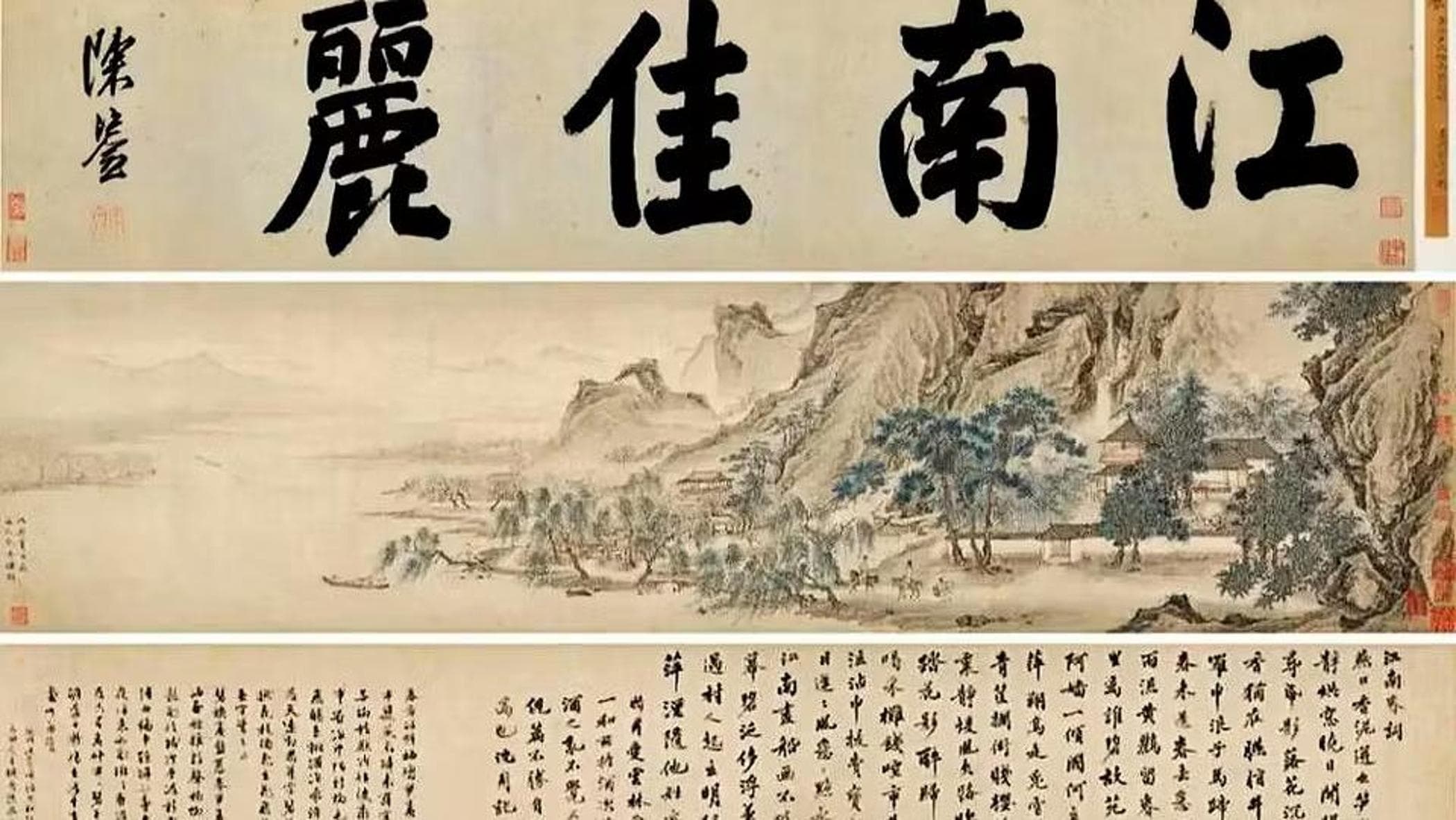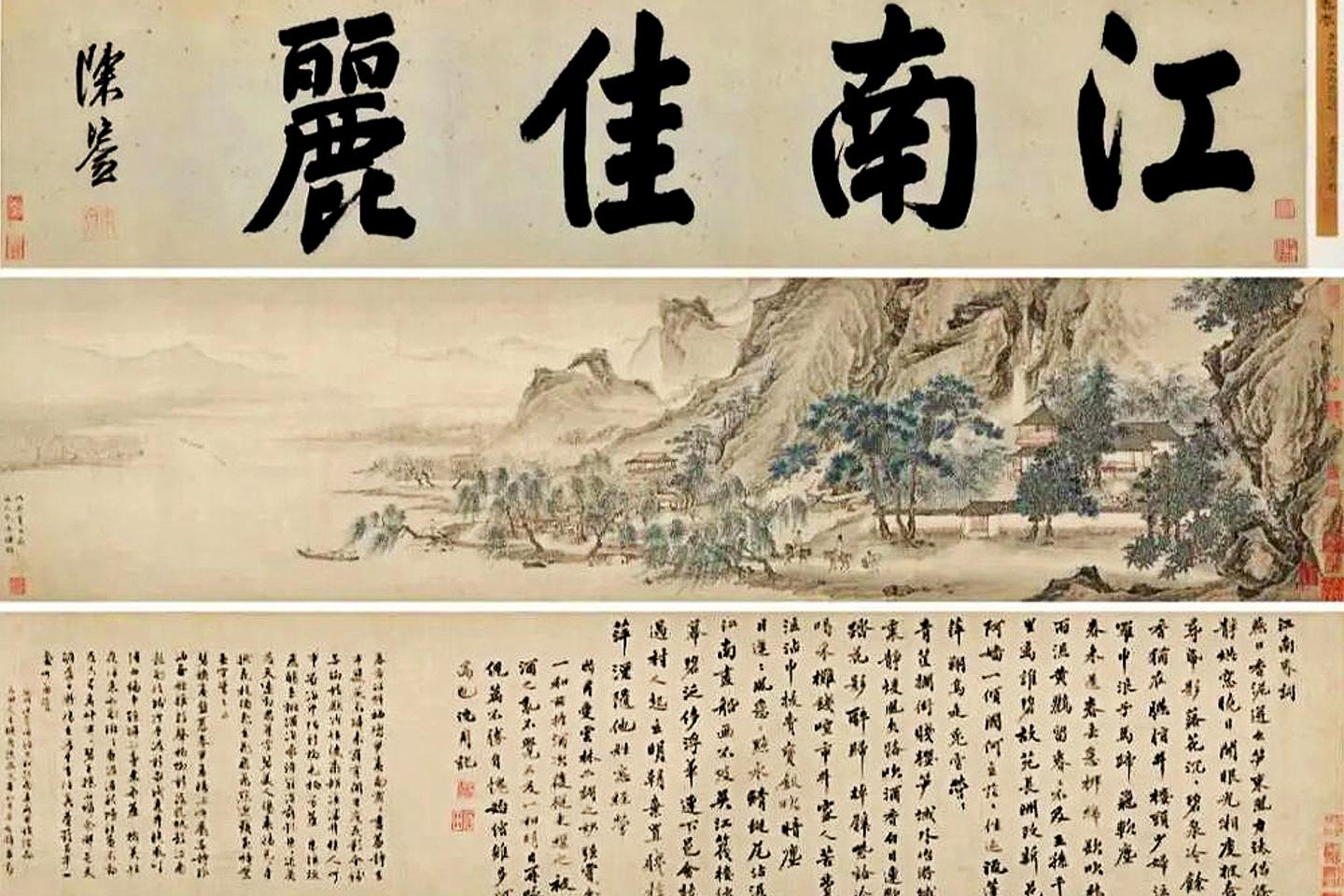
'Jiangnan Spring,' by Qiu Ying (ink on silk from the Ming Dynasty, 1368-1644). WIKIMEDIA
It could be the opening scene of a Qiu Xiaolong crime novel: a vanished painting, a prestigious museum and a state investigation stirring up decades of dusty secrets. An unprecedented controversy surrounding the collections of Nanjing Museum, located in Jiangsu province, has sent shockwaves through China's art world. On December 23, Beijing opened an investigation after a museum treasure resurfaced on the auction market. The affair has combined suspicions of corruption along with a reckoning over decades of stewardship.
The artwork at the center of the story is Jiangnan Spring, a tranquil landscape attributed to Qiu Ying, one of the four iconic painters of the Ming dynasty (1368-1644). The painting depicts hills, a calm river and blossoming trees. This delicate ink-painted silk scroll was donated to the Nanjing Museum by by the heirs of collector Pang Laichen in 1959 as part of a gift of 137 artworks.
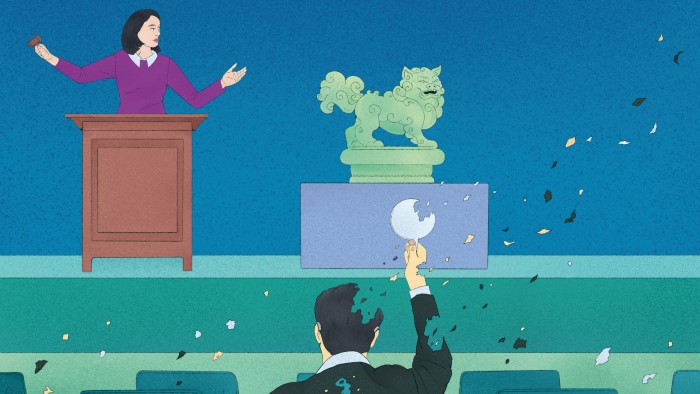
In May, however, the piece was spotted in the catalog of a Beijing auction with a starting price set at 88 million yuan (over €10 million), drawing the attention of experts as well as Pang Shuling, the great-granddaughter of the collector. Amid the outcry, the sale was suspended. The seller was an unknown businessman from Ningbo, in Zhejiang province.