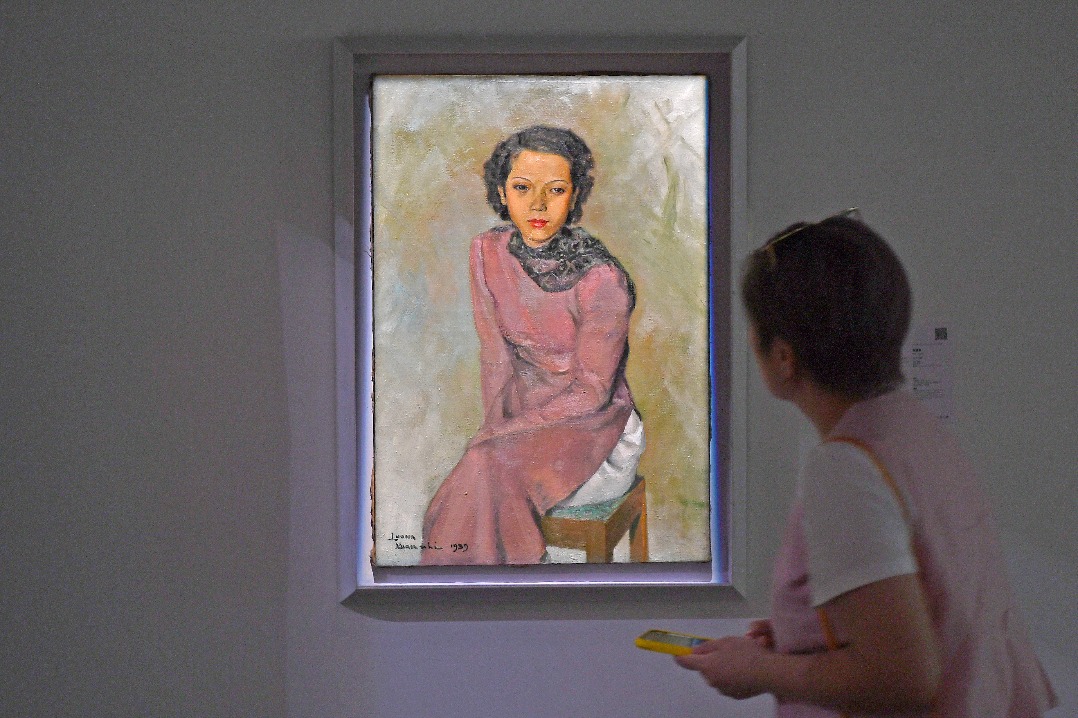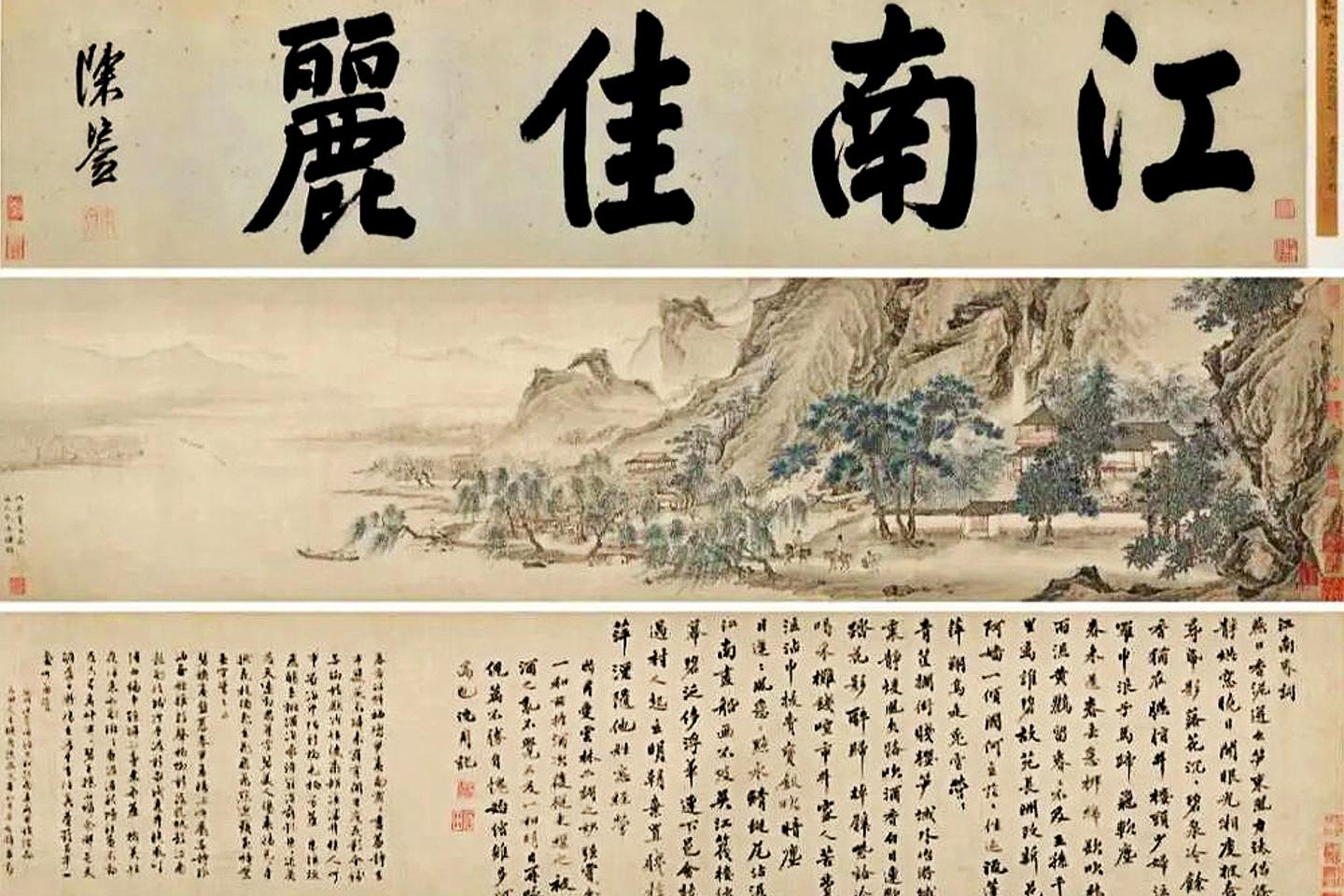
At 6ft 2in, former bodybuilding champion Jiao Qinghua cuts an impressive figure as he peruses the lots on offer at the Shanghai sale of auction house Council. The midsummer sun beams through the Shanghai Grand Theatre’s translucent roof; the plush blue carpets and the 20th-century Chinese ink works on display bake in the heat.
But the avid collector of Modern, contemporary and classical art from China’s eastern Jiangsu province is downbeat. “The economy is declining and the pressure is high. A lot of bosses and entrepreneurs used to dare to buy,” Jiao says when we meet in his hotel by the Shanghai People’s Park the day before the auction. “Now they don’t dare to buy because they have no confidence.”
Jiao is a veteran of the coal industry who buys art with a business partner, another entrepreneur from the same province, though he declines to elaborate on their arrangement. He thinks the once-swaggering mainland Chinese art market has entered a downward spiral — and he doesn’t know when it will recover.
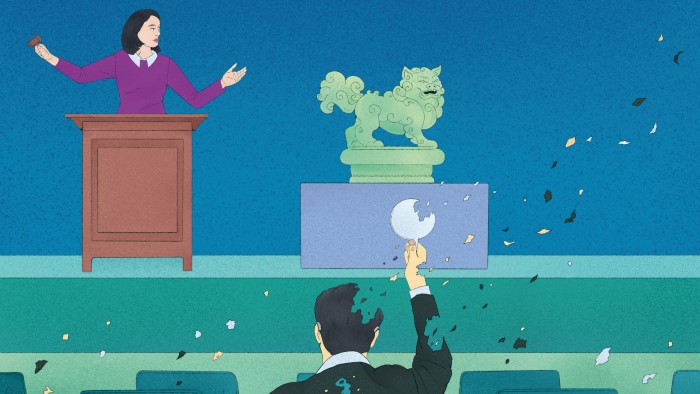
“Before 2015, all segments of the market — no matter if it was painting, porcelain, antiquities, Chinese furniture — they all sold well,” he says. “After 2015, it started to be quite bad, a lot of people’s purchasing power was restricted.” Though the market held up broadly until about 2018, the pandemic dealt a death blow to buyers’ confidence. Not only did sale prices decline, but the number of bogus transactions, in which buyers fail to pay for works successfully bid for at auction shot up, Jiao reckons — and data confirms.