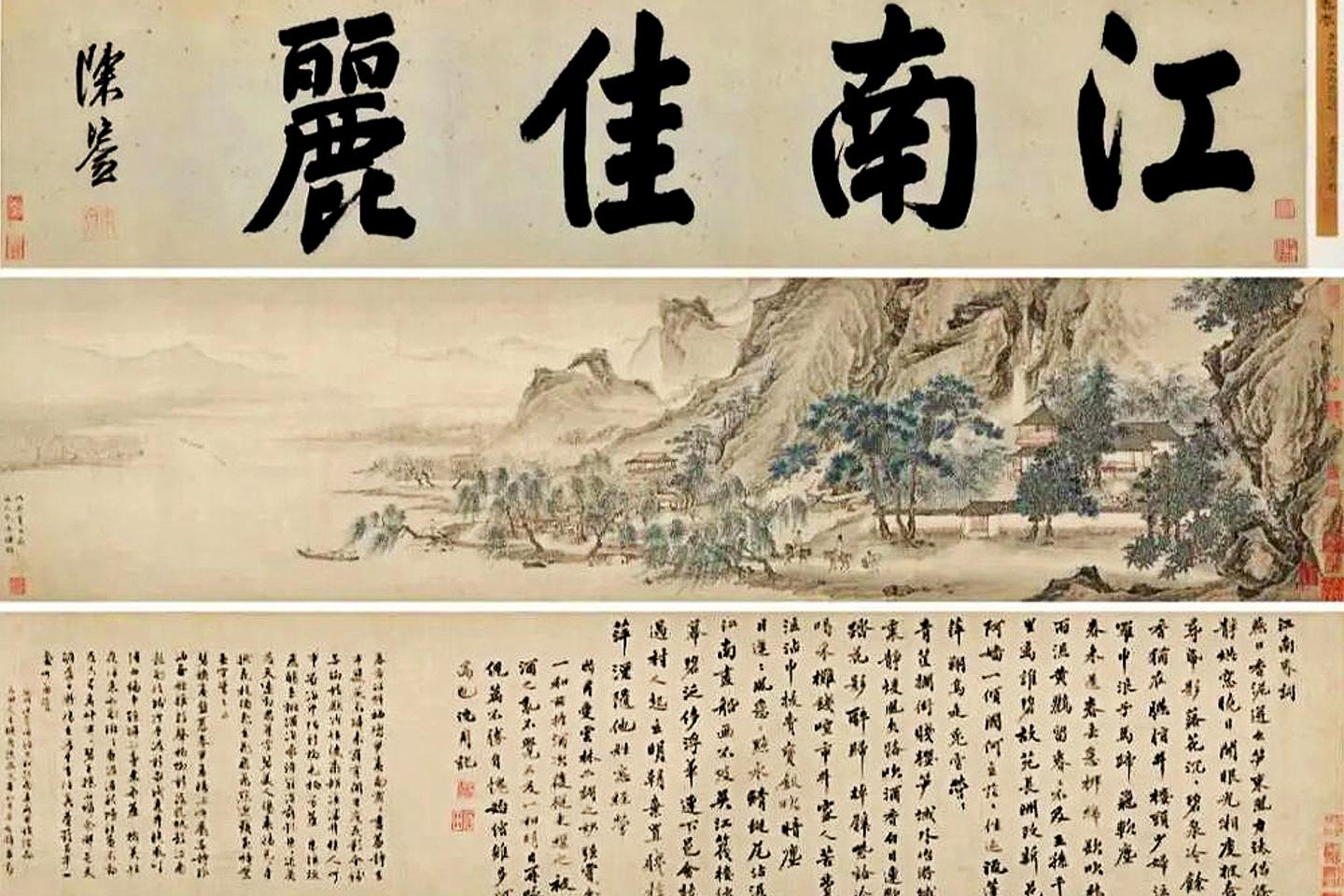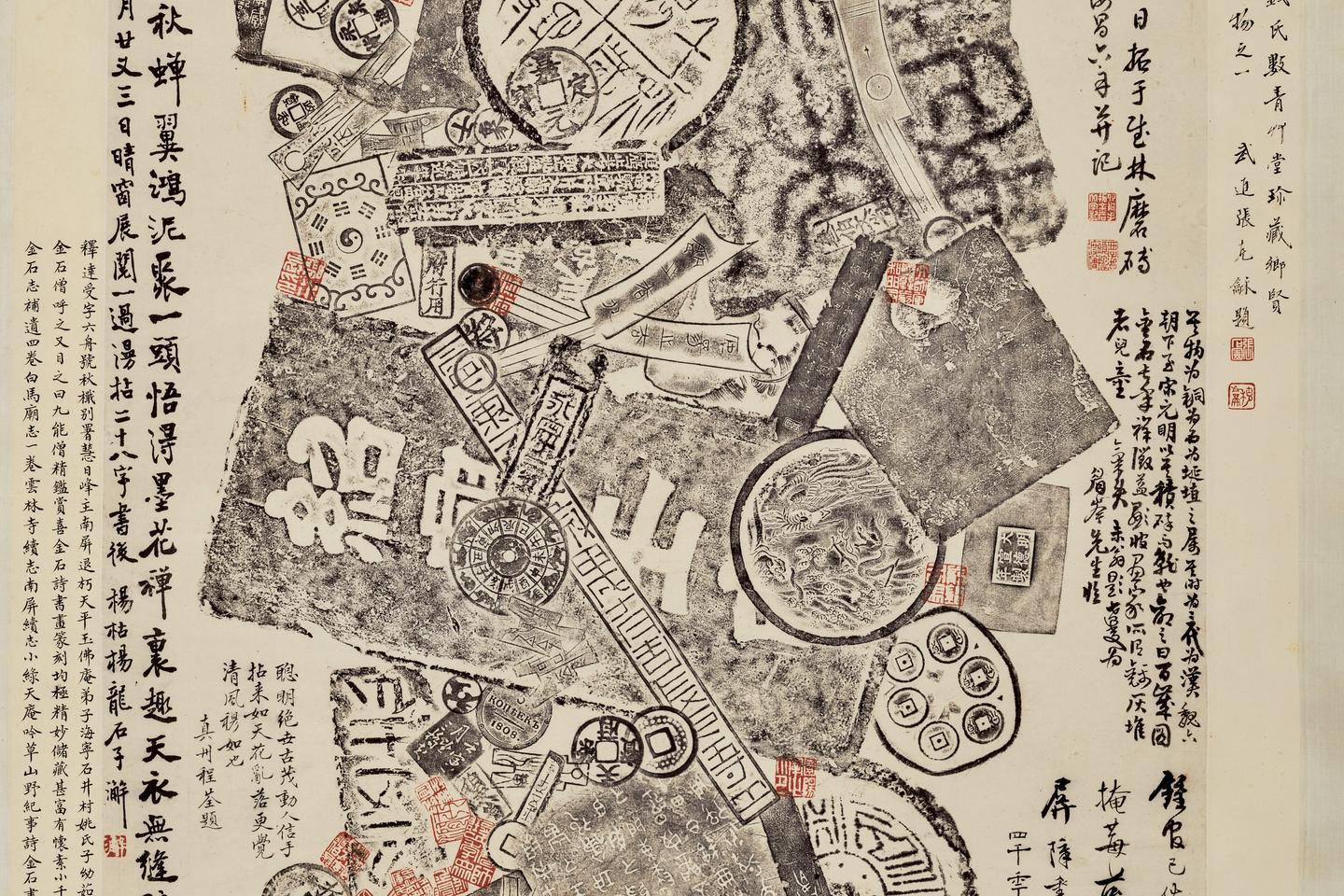
"Baisuitu (Hundred-Year Longevity Image)" (1831), Liuzhou, Qing dynasty. HANGZHOU/ZHEJIANG PROVINCIAL MUSEUM
In a black-and-white photograph taken in 1914 in the Chinese province of Sichuan during the expedition of sinologists and archaeologists Victor Segalen (1878-1919), Jean Lartigue (1886-1940) and Auguste Gilbert de Voisins (1877-1939), an unusual caravan can be seen. Several horses, loaded with heavy crates, are accompanied on foot by four Chinese men.
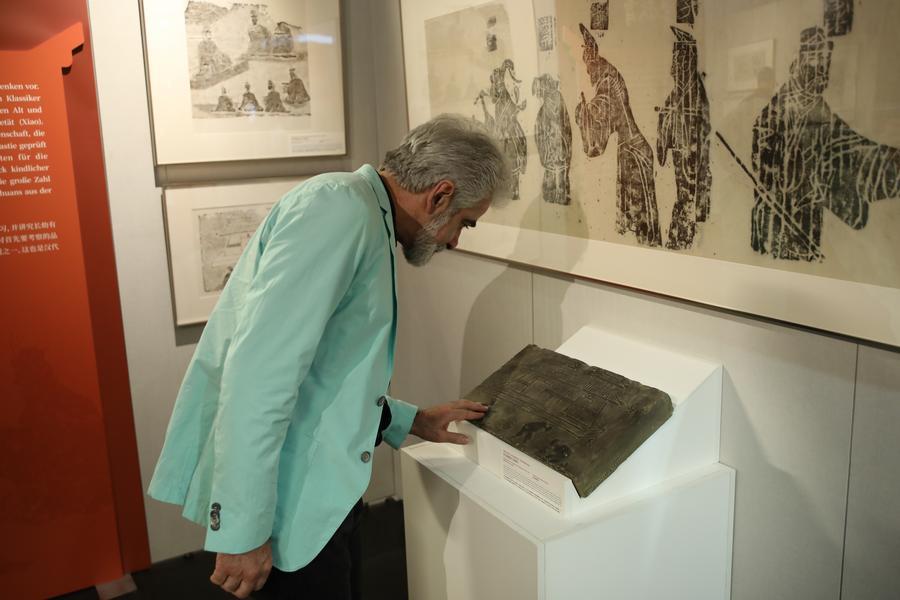
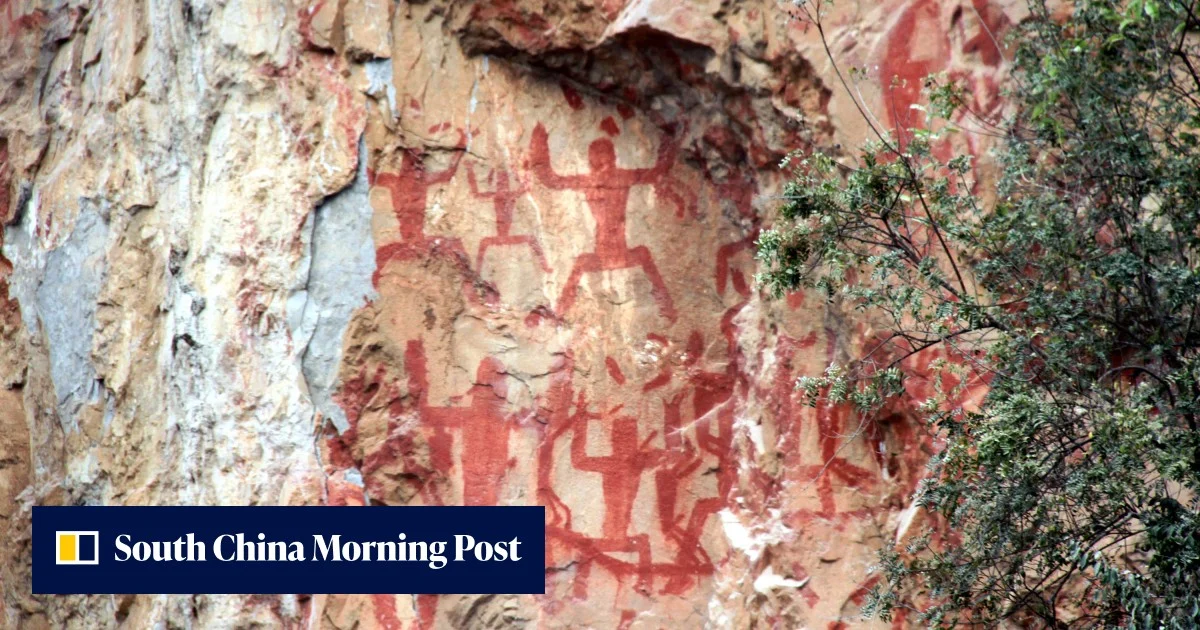
The group made its way, slowly and with difficulty, along the ridge of Mount Yunding, transporting ink and paper to record the findings of fieldwork conducted by researchers in this region, which holds numerous relics of past civilizations engraved in the rock. They carried out their work using a technique called rubbing, which involves laying a damp sheet of paper onto a stone bearing inscriptions, then applying an ink-soaked pad while carefully following the stone's indentations and reliefs.
You have 78.83% of this article left to read. The rest is for subscribers only.