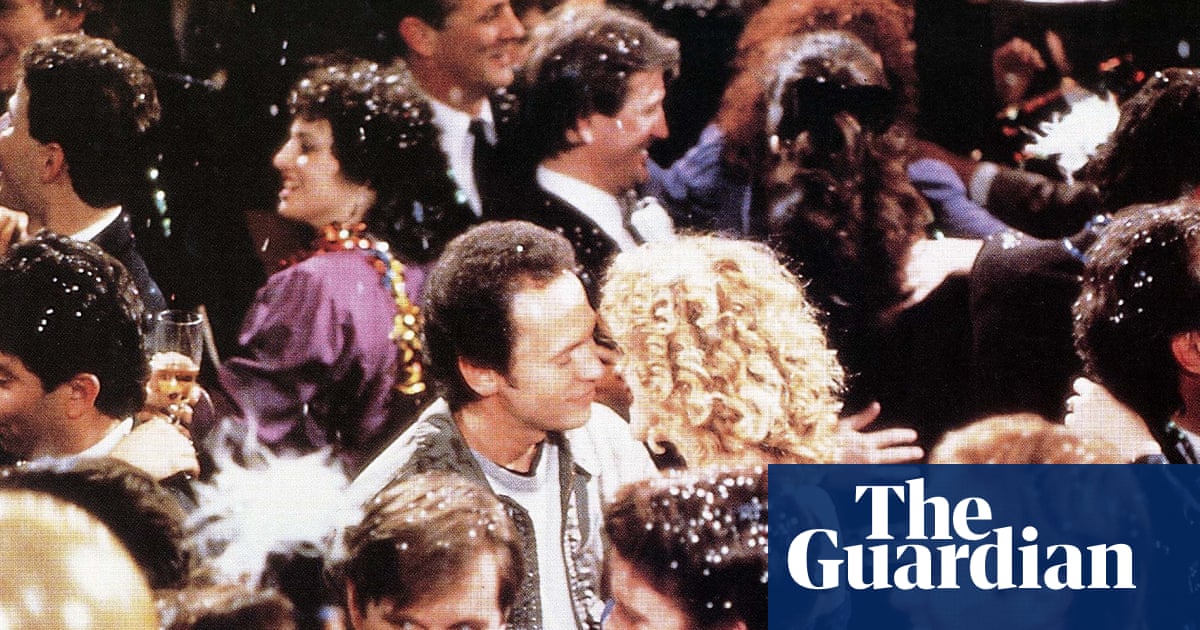
I’ve always found “Auld Lang Syne” exceedingly depressing. It’s not meant to be cheery, it’s meant to be contemplative. A musical cue to encourage New Year’s Eve revelers to reflect on the year that’s coming to close before celebrating what’s to come ahead. But I listen to it and just get sad, not reflective. (Same obviously goes for “Same Old Lang Syne,” Dan Fogelberg’s ballad about meeting his old lover in the grocery store in the frozen food section around the holidays, but that one’s meant to be a moper.)
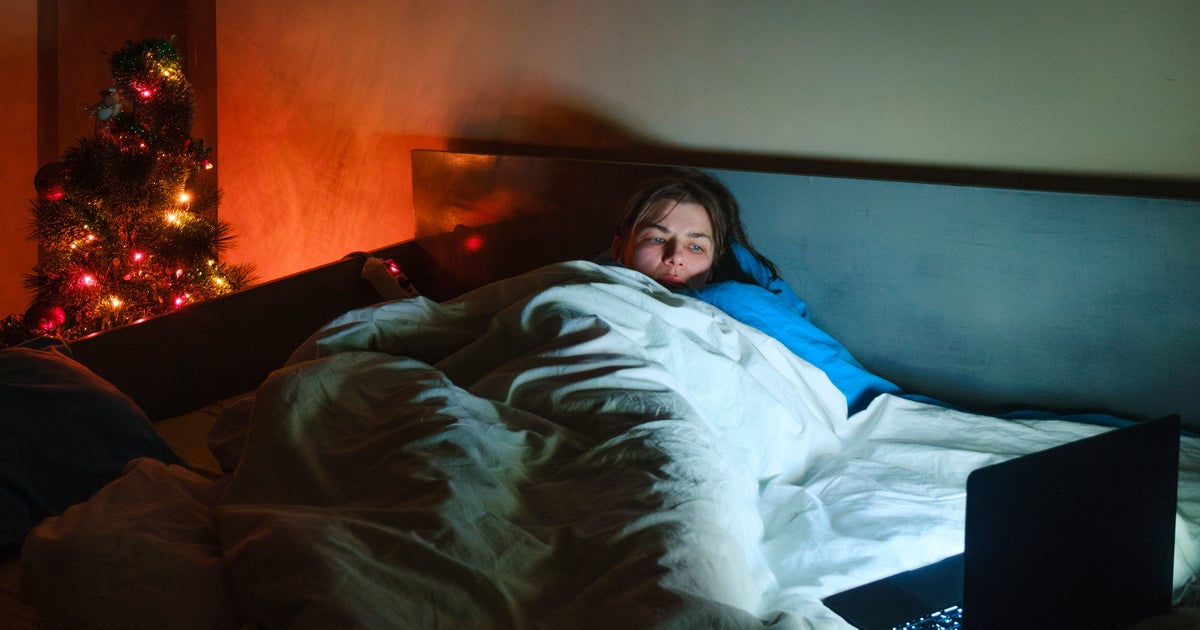
As an adult, I realized that I found the whole new year ― New Year’s Eve, that first week or so of January ― a bummer. Maybe it’s feeling like I didn’t get enough done in the last year, or the outsized pressure to set new goals. (And it’s definitely sometimes that gnarly post-New Year’s Eve party hangover.)
Turns out, I’m not alone in not loving New Year’s.
“Lots of my clients express a feeling of low mood, motivation and sadness approaching the new year,” said Akua K. Boateng, a psychotherapist in Philadelphia. “I’d say about a quarter of my caseload feels it, so it’s prevalent.”
We frame the new year as a “fresh start,” but that can feel overwhelming, said Priya Tahim, a psychotherapist in Washington, D.C.