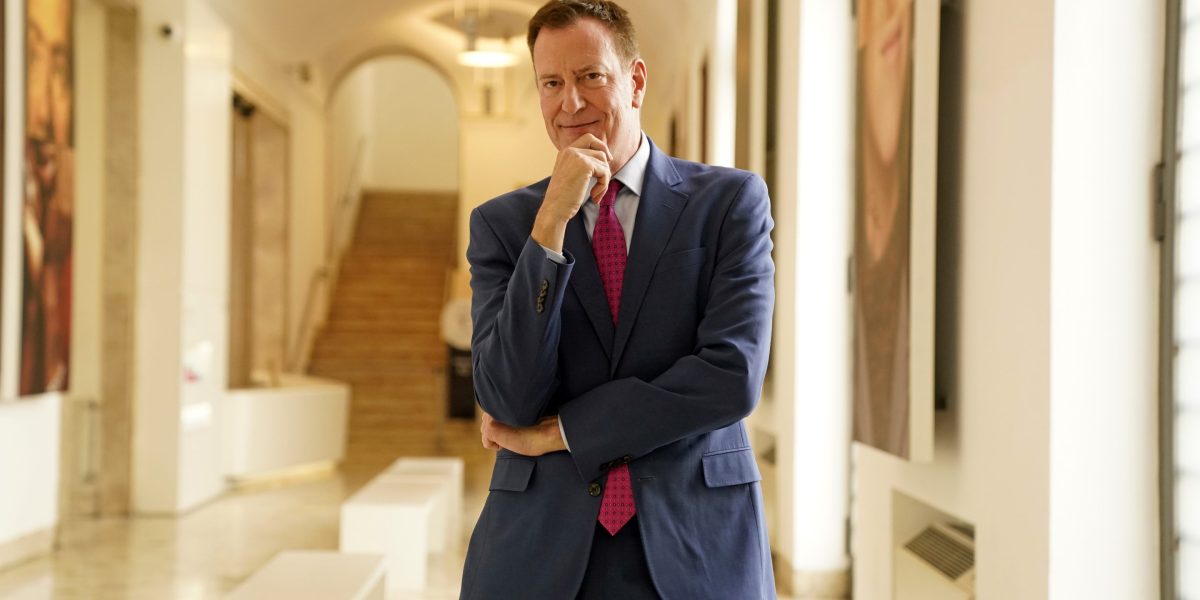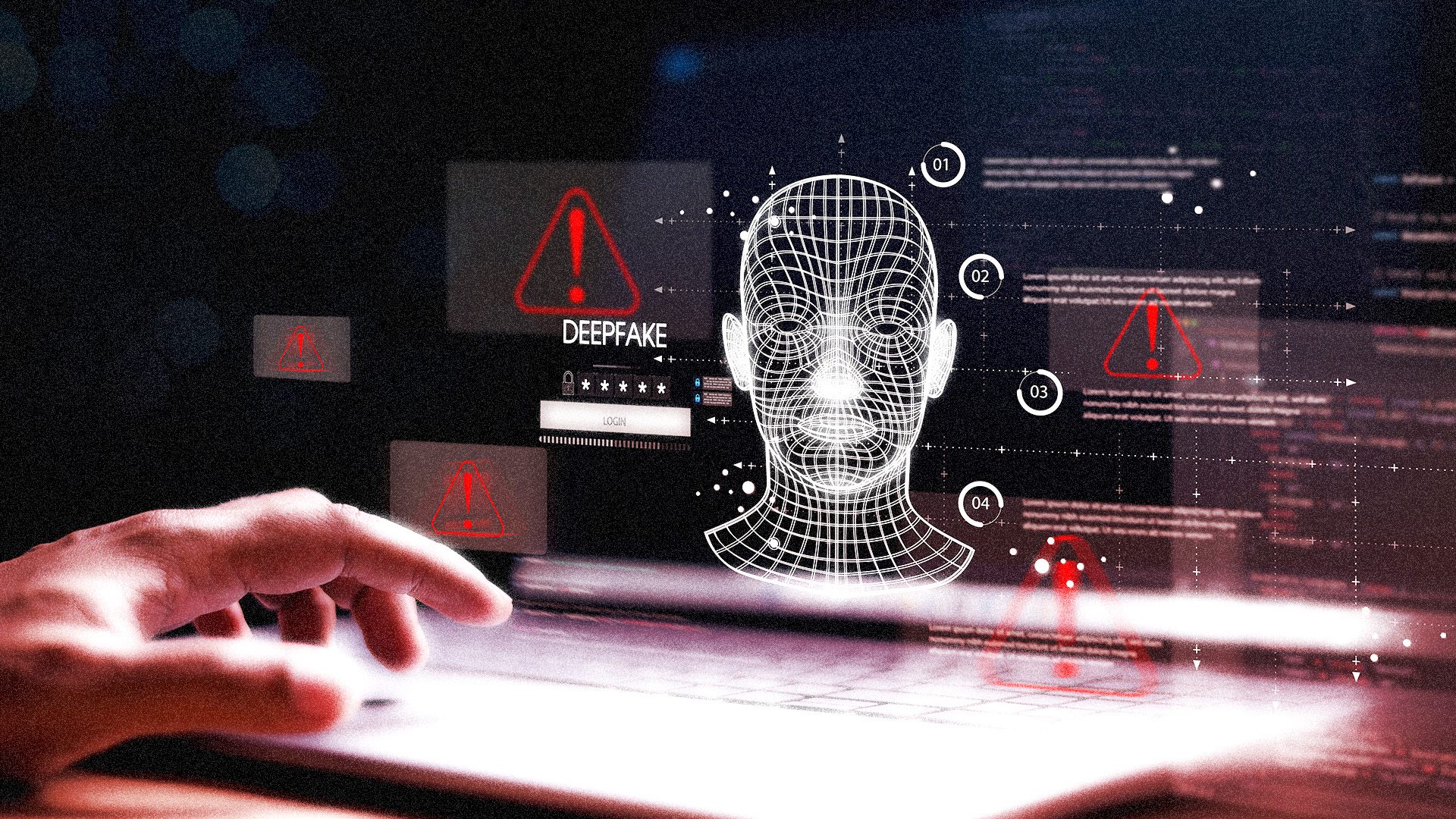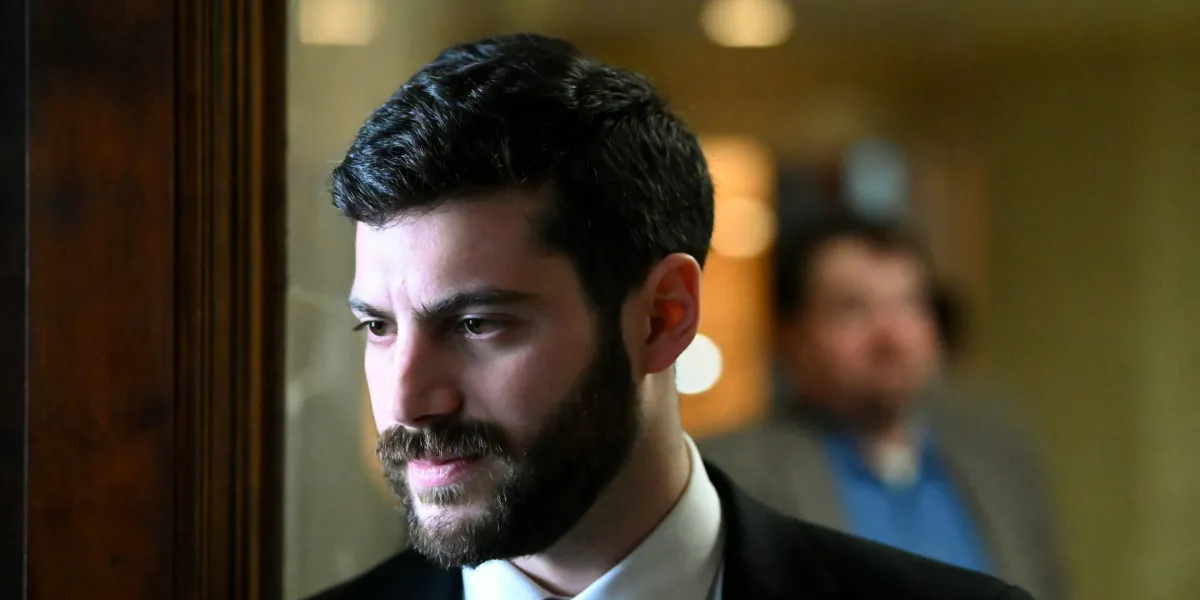
New York Assemblymember Alex Bores, a Democrat now running for Congress in Manhattan’s 12th District, argues that one of the most alarming uses of artificial intelligence—highly realistic deepfakes—is less an unsolvable crisis than a failure to deploy an existing fix.
“Can we nerd out about deep fakes? Because this is a solvable problem and one that that I think most people are missing the boat on,” Bores said on a recent episode of Bloomberg’s Odd Lots podcast, hosted by Joe Weisenthal and Tracy Alloway.
Rather than training people to spot visual glitches in fake images or audio, Bores said policymakers and the tech industry should lean on a well-established cryptographic approach similar to what made online banking possible in the 1990s. Back then, skeptics doubted consumers would ever trust financial transactions over the internet. The widespread adoption of HTTPS—using digital certificates to verify that a website is authentic—changed that.
“That was a solvable problem,” Bores said. “That basically same technique works for images, video, and for audio.”
Bores pointed to a “free open-source metadata standard” known as C2PA, short for the Coalition for Content Provenance and Authenticity, which allows creators and platforms to attach tamper-evident credentials to files. The standard can cryptographically record whether a piece of content was captured on a real device, generated by AI, and how it has been edited over time.