We and our vendors use cookies and similar methods (“Cookies”) to recognize visitors and remember their preferences. We also use Cookies for a variety of purposes, including analytics, to measure marketing effectiveness and to target and measure the effectiveness of ads. You can accept or reject the use of Cookies for individual purposes below. Some vendors process your data on the basis of their legitimate interest - you can object to such processing below. Your preferences will be saved in a cookie named “fides_consent” for a maximum duration of 12 months, as well as in your registered user account if you are logged in. If you previously accepted these methods through our prior banner, then we will use your data for targeting. Your preferences will apply on nytimes.com, as well as our News, Cooking, Games and Audio apps. Your preferences here are unrelated to Apple’s App Tracking Transparency Framework.
Supported by
By Amy Klobuchar
Ms. Klobuchar is a U.S. Senator from Minnesota.
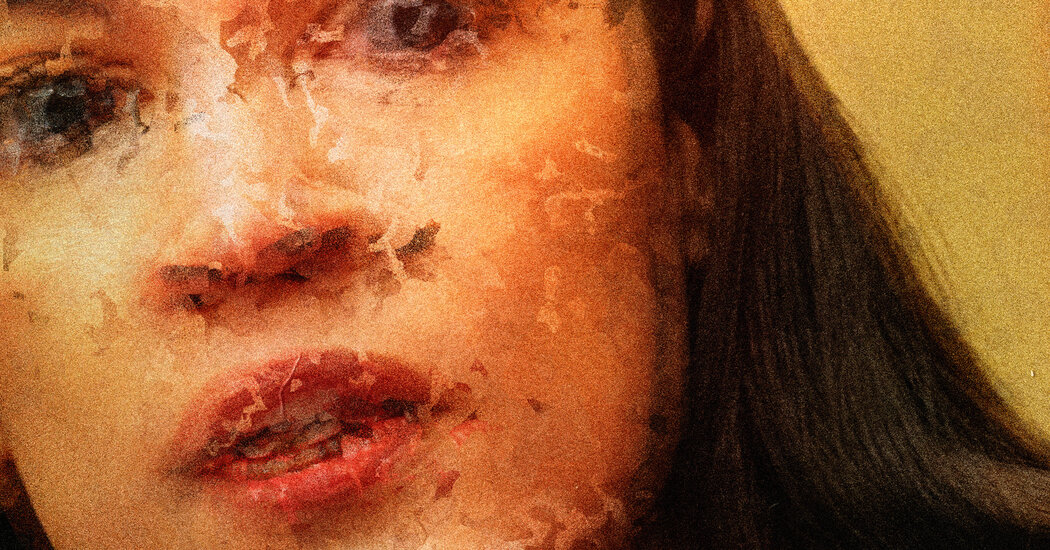
There’s a centuries-old expression that “a lie can travel halfway around the world while the truth is still putting on its shoes.” Today, a realistic deepfake — an A.I.-generated video that shows someone doing or saying something they never did — can circle the globe and land in the phones of millions while the truth is still stuck on a landline. That’s why it is urgent for Congress to immediately pass new laws to protect Americans by preventing their likenesses from being used to do harm. I learned that lesson in a visceral way over the last month when a fake video of me — opining on, of all things, the actress Sydney Sweeney’s jeans — went viral.