Deepfake fraud drained $1.1 billion from U.S. corporate accounts in 2025, tripling from $360 million the year before. By midyear last year, documented incidents had already quadrupled the 2024 total. And most corporate communications and brand teams remain dangerously unprepared.
Executives now face synthetic threats from two directions: their likenesses cloned to authorize fraudulent transfers or inflict reputational harm, and AI-generated voices impersonating government officials, board members, and business partners used to manipulate them.
In 2019, an unnamed British energy executive received a phone call from someone they believed was their chief executive. The accent and subtle consonant shifts were right, even the cadence was familiar. Only after wiring $243,000 did they learn the voice on the other end of the phone was synthetic. Last year, scammers cloned Italy’s defense minister and called the country’s business elite. At least one sent nearly €1 million before learning of the scam.
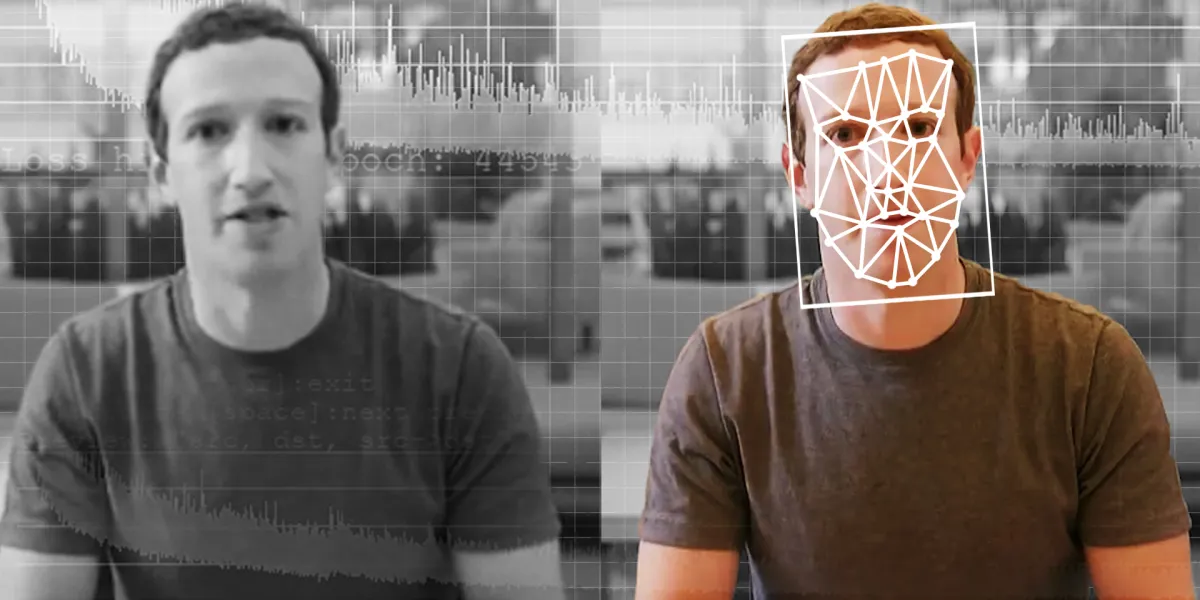
But these brands were fortunate. Consider the impact if a synthetic video of your CEO making inappropriate remarks, announcing a false merger, or criticizing a regulator spread rapidly on social media before your team could respond. Deepfakes are no longer a cybersecurity curiosity. They now represent a security threat, a financial risk, and a significant reputational hazard.