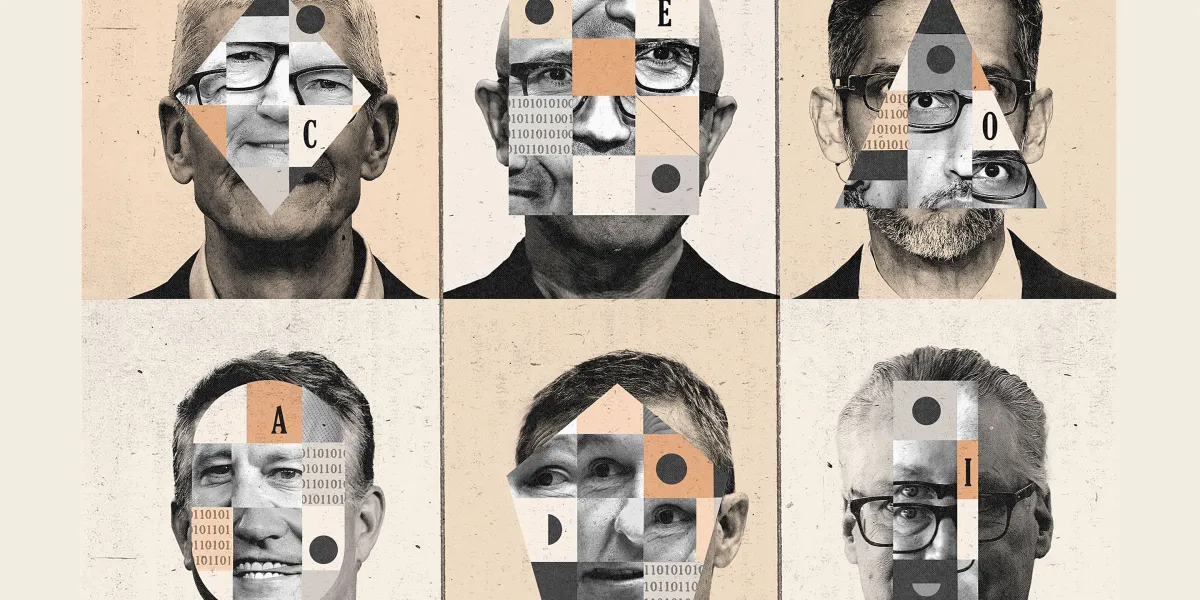
C-suite turnover hit record highs in 2025.
It wasn’t because of a bad quarter or a dip in the market. It’s because after three years of shoveling millions into AI, most organizations haven’t actually changed. They’ve just become faster versions of their old, clunky selves. And for the leaders at the top, it’s a brutal sink-or-swim moment.
I’ve spent the last few years in the trenches with enterprise leaders – in dozens of boardrooms and on Zooms at all hours of the night – as they wrestle with this reality. And the part no one wants to hear while staring at a stagnant ROI dashboard is that this isn’t a tech failure. It’s a failure of leadership to adapt.
Leadership playbooks were built for a different era. Enterprises have spent decades promoting people who manage complexity. The bigger the org chart and the more layers you oversee, the higher you climb. But in the agentic era, that model is fundamentally backwards. Complexity is exactly what suffocates scale.
What we’re witnessing is a generational transfer of power. And the leaders we see actually scaling AI have realized this is a leadership transformation first. They aren’t reaching for the familiar, comfortable playbook that got them the corner office. They’re tearing it apart and radically rebuilding from the inside out. Here are the three shifts that define them.