Welcome to Eye on AI! In this edition...xAI releases Grok 4 amid backlash over antisemitic posts…Perplexity launches AI browser to take on Google—starting with its power users…OpenAI is reportedly gearing up to launch its own web browser.
An audio deepfake impersonating Secretary of State Marco Rubio contacted foreign ministers, a U.S. governor, and a member of Congress with AI-generated voicemails mimicking his voice, according to a senior U.S. official and a State Department cable dated July 3.
There’s no public evidence that any of the recipients of the messages, reportedly designed to extract sensitive information or gain account access, were fooled by the scam. But the incident is the latest high-profile example of how easy—and alarmingly convincing—AI voice scams have become.
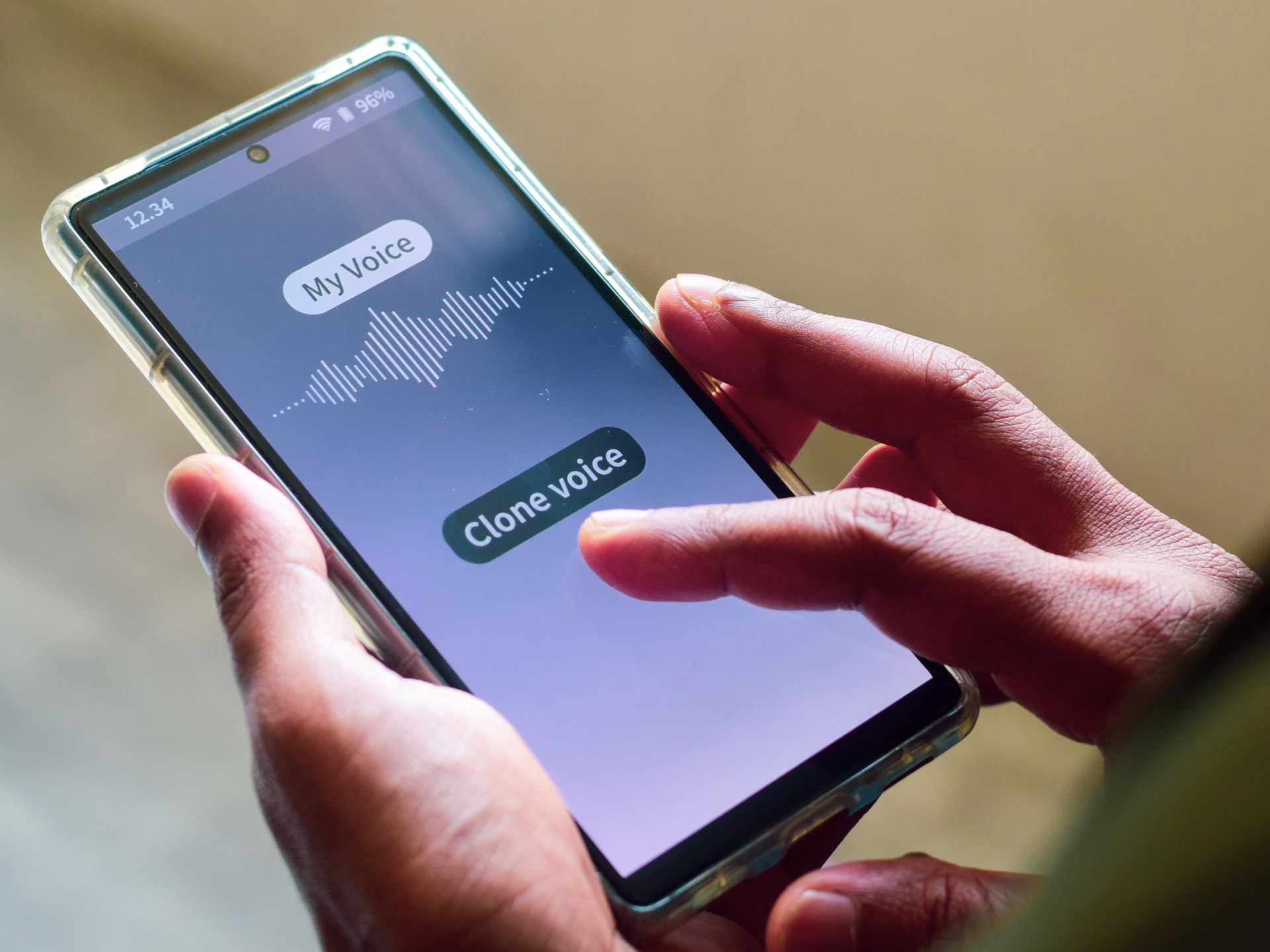
With just 15 to 30 seconds of someone’s speech uploaded to services like Eleven Labs, Speechify and Respeecher, it’s now possible to type out any message and have it read aloud in their voice. Keep in mind, these are tools used perfectly legitimately for a host of things from accessibility to content creation – but like many AI technologies, can be misused by bad actors.
The threat of deepfakes has escalated