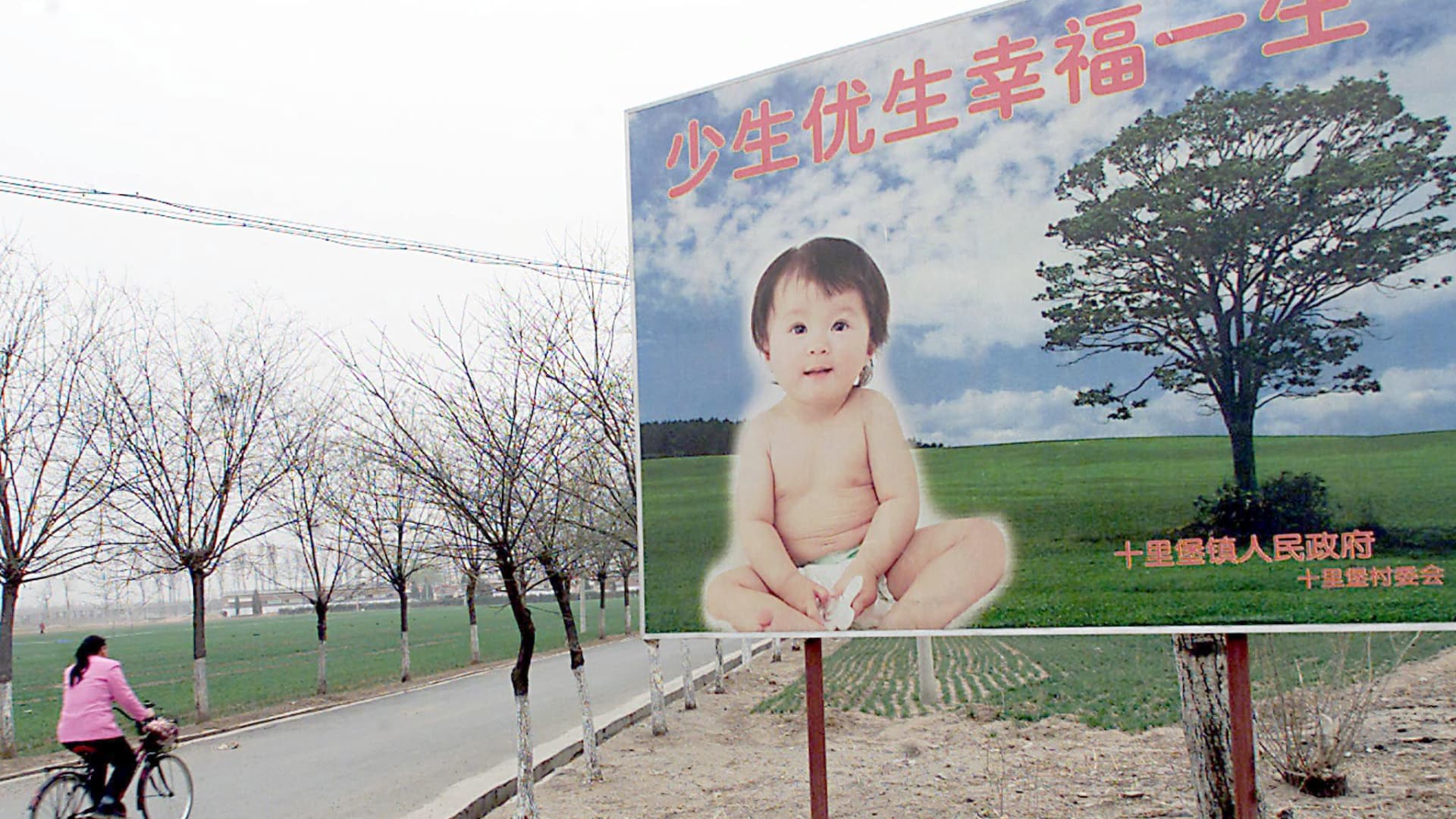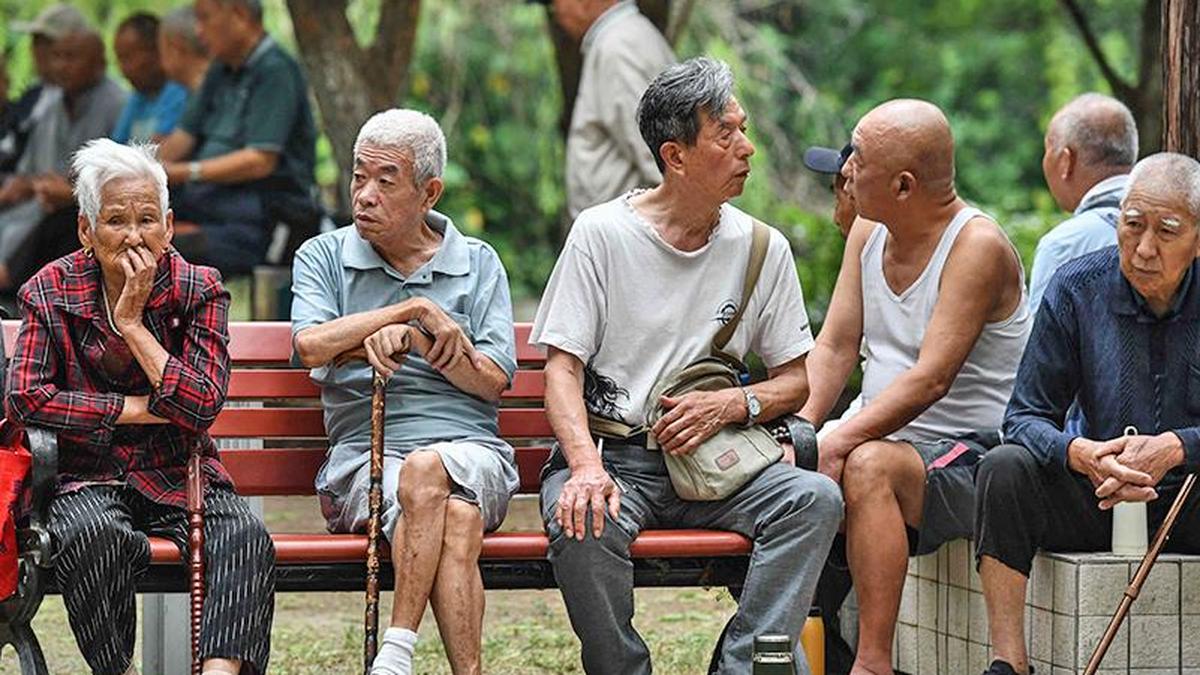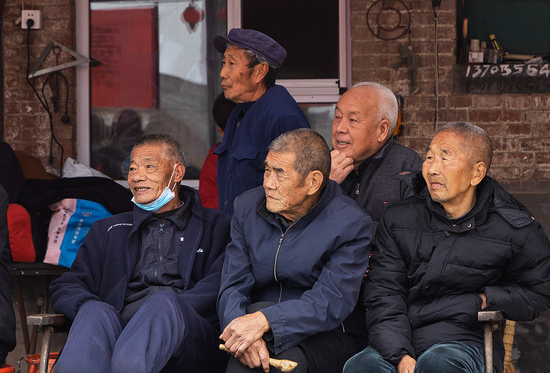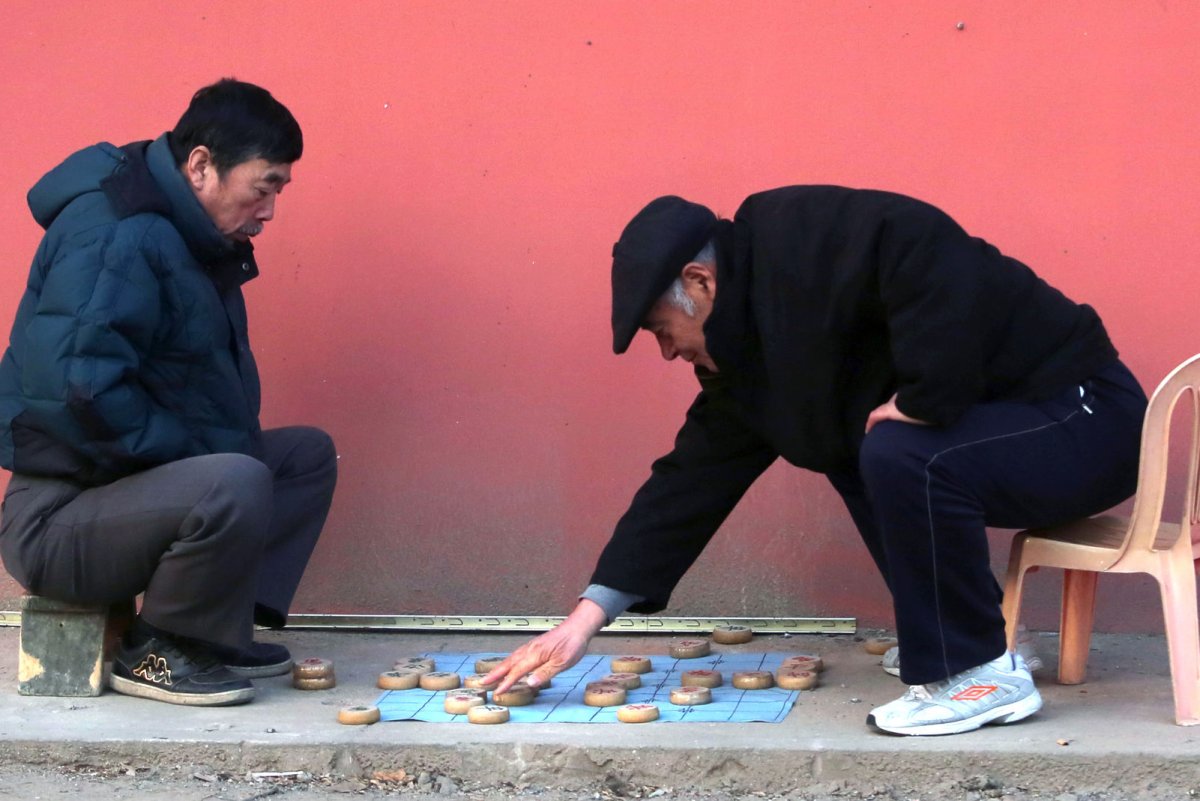
Dec. 21 (Asia Today) -- China's one-child policy, enforced nationwide from 1979 and maintained for decades, is facing renewed criticism as the country confronts mounting pressure to care for aging parents in families with only one adult child.
Chinese media outlets including Beijing Youth Daily have described the policy as once being viewed as highly effective at curbing births. In recent years, however, coverage and commentary have increasingly focused on its long-term costs as population size and age structure have come to be seen as factors in national competitiveness.
Research institutions including the Chinese Academy of Social Sciences have argued China needed to maintain a population of about 1.4 billion as it sought to strengthen national capacity, according to the report. Warnings that continued birth restrictions could accelerate demographic decline contributed to policy changes, with authorities easing limits in 2013 and later abolishing the one-child policy in 2019. The report said related population policy offices at central and local levels were scaled back and campaigns began encouraging families to have two or more children.
Even after the shift, cultural critic Ma Xiangwu of Renmin University said having only one child has become an "unwritten rule" in many households, making families with two or more children increasingly uncommon.