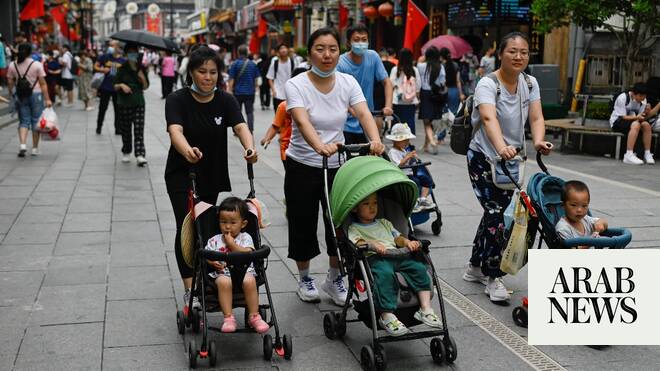
In front of a toy store next to a pediatric hospital in Beijing, March 7, 2026. ADEK BERRY/AFP
How can Chinese women be encouraged to have more children? With the country's population declining for the past four years, some experts warn of a long-term impact "far greater than a war or an economic crisis." As a result, support for families and policies to boost the birth rate have become central topics of debate. During the annual session of the National People's Congress – the Communist Party's legislative rubber stamp – and a second assembly focusing only on proposals, which concluded on Thursday, March 12, delegates from across the country put forward various suggestions.
One of them, Zheng Gongcheng, argued that the state should count the years women spend out of the workforce as contributing toward their health and retirement benefits. Another, Gan Huatian, advocated for extending paternity leave and making it mandatory to help ease the burden on mothers. However, the real focus of the discussions was on how much the government was willing to spend to encourage citizens to have children.
In July 2025, the government announced an allowance of 3,600 yuan (just under €460) per child per year until the child's third birthday. This was a first step in a country where leaders have long voiced skepticism toward the European-style welfare state, which they see as fostering idleness and debt, in contrast to a Chinese society centered on hard work.