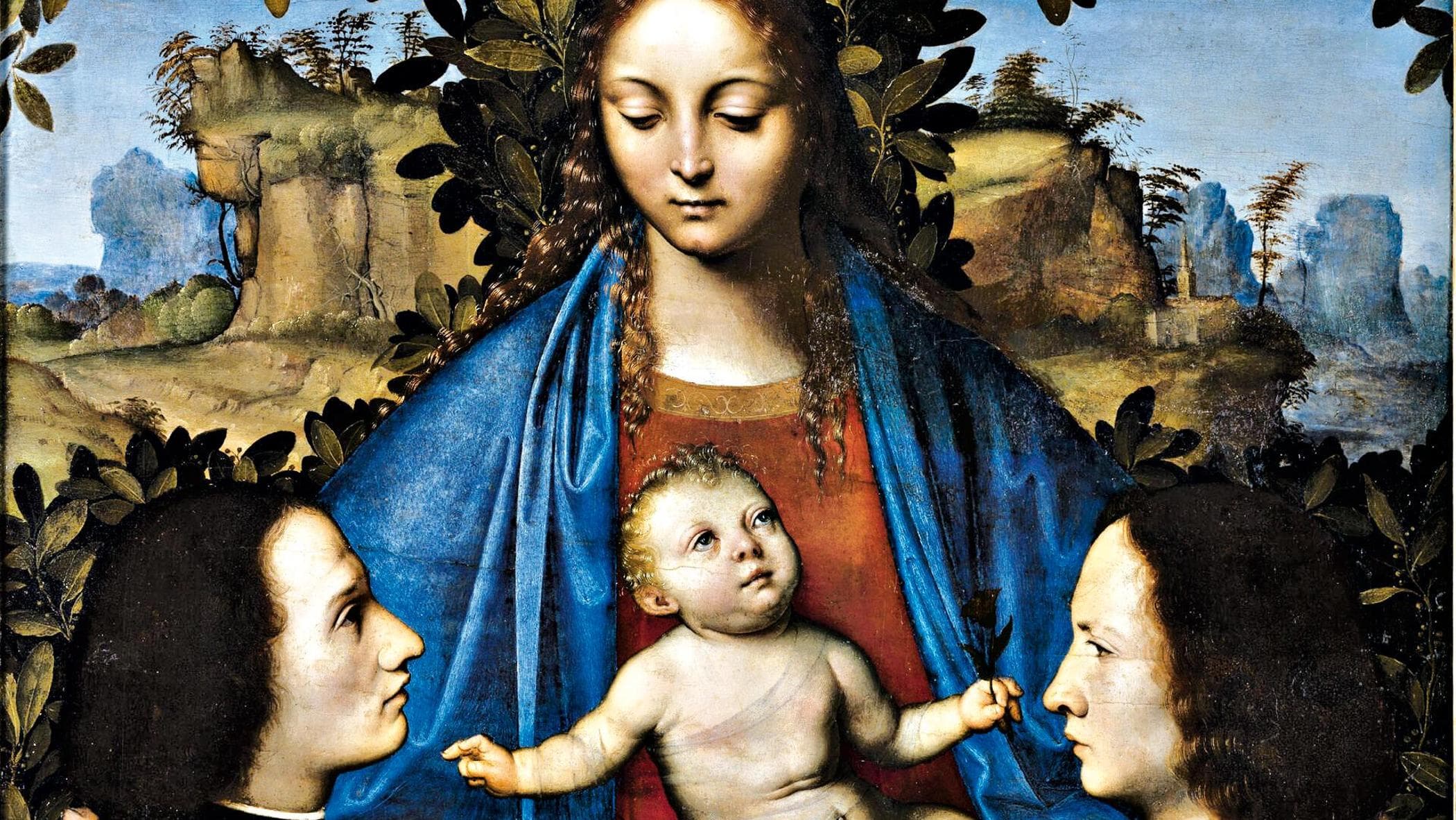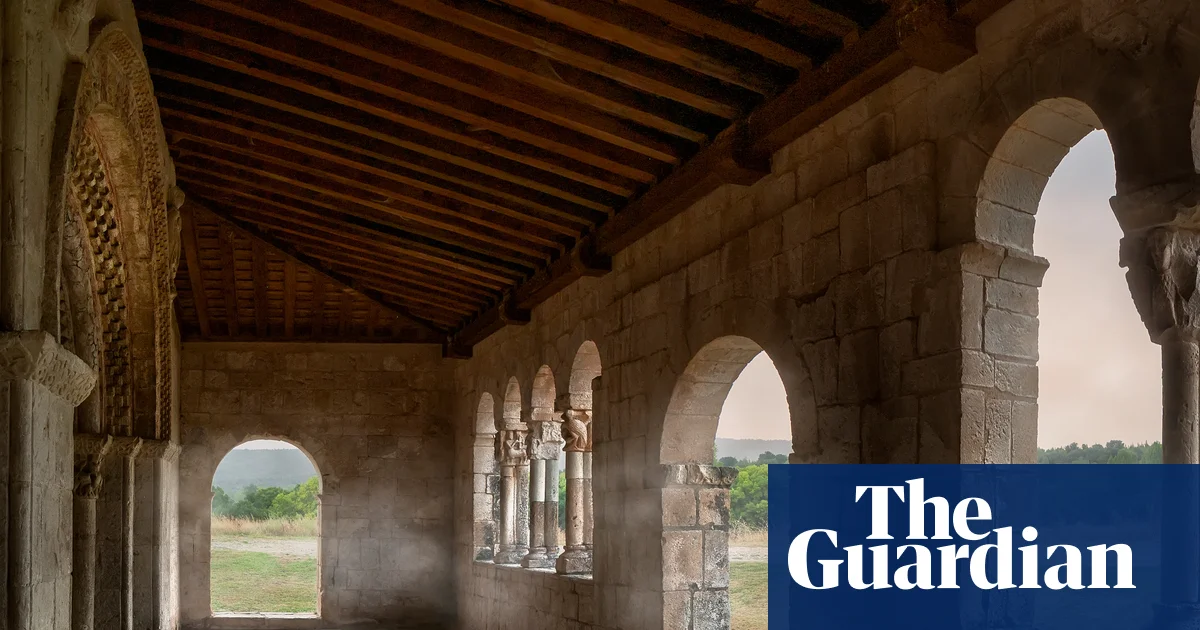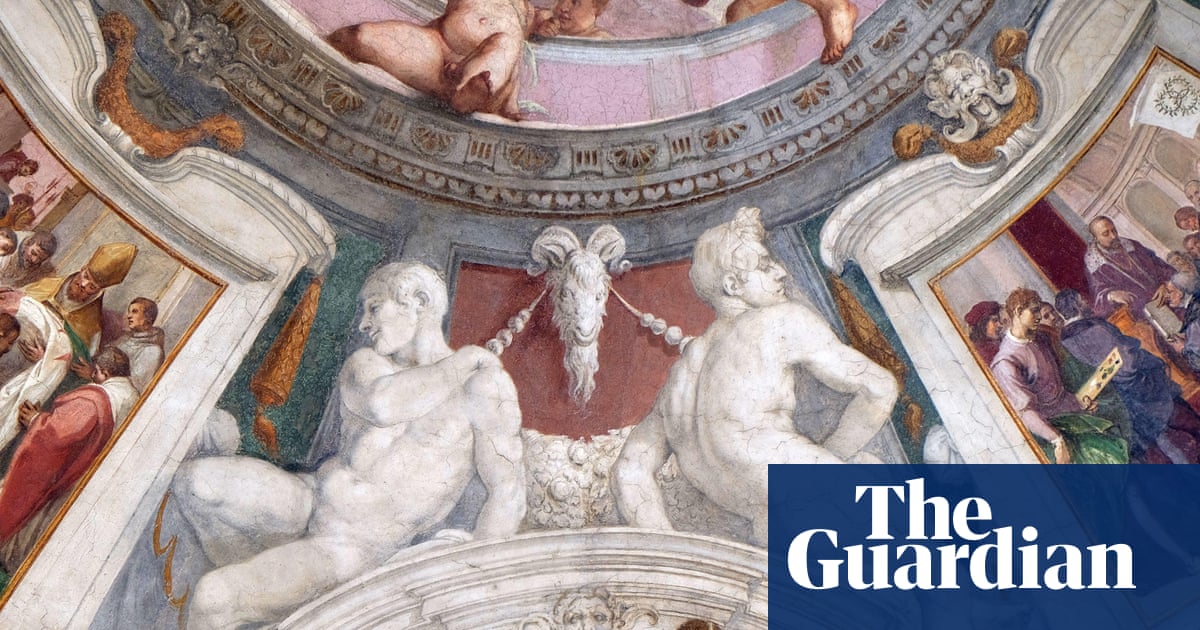
The precarious, cruel but dazzling world of a foundling hospital is brought wonderfully to life by the author of Botticelli’s Secret
J
oseph Luzzi, a professor at Bard College in New York, is a Dante scholar whose books argue for the relevance of the great Italian art and literature of the late middle ages and Renaissance to our own times. A great populariser and advocate of the humanities in public life, he has done for Dante what his Bard colleague Daniel Mendelsohn did for Homer in An Odyssey and other books.
This short volume tells the story of the Hospital of the Innocents in Dante’s home town of Florence, a building Luzzi has been fascinated by since encountering it in 1987 on his college year abroad. The Innocenti, as it is known, was the first institution in Europe devoted solely to the care of unwanted children. The first foundling, named Agata because she was left by its gates on Saint Agata’s Day 1445, had been nibbled at by mice.
At the time, children made up half the population of Florence, and many were abandoned. The church demanded “be fruitful and multiply” and condemned the use of contraception, which was primitive anyway. Babies were left inside church doorways, dumped in rivers and chucked on to rubbish tips. They were, in the lively Tuscan vernacular, the gittatelli – the thrown-away ones. Many were the result of unwanted sexual advances, especially on servants by their masters. In a fiercely patriarchal society, the majority of children deposited at the Innocenti were girls. The mothers would break a coin in two and hang one half round the baby’s neck in the hope of meeting them again.