LeanIn.org’s annual Women in the Workplace report with McKinsey is out today. Some of its findings may not be that surprising; the report’s headline is that only half of companies are prioritizing women’s advancement today.
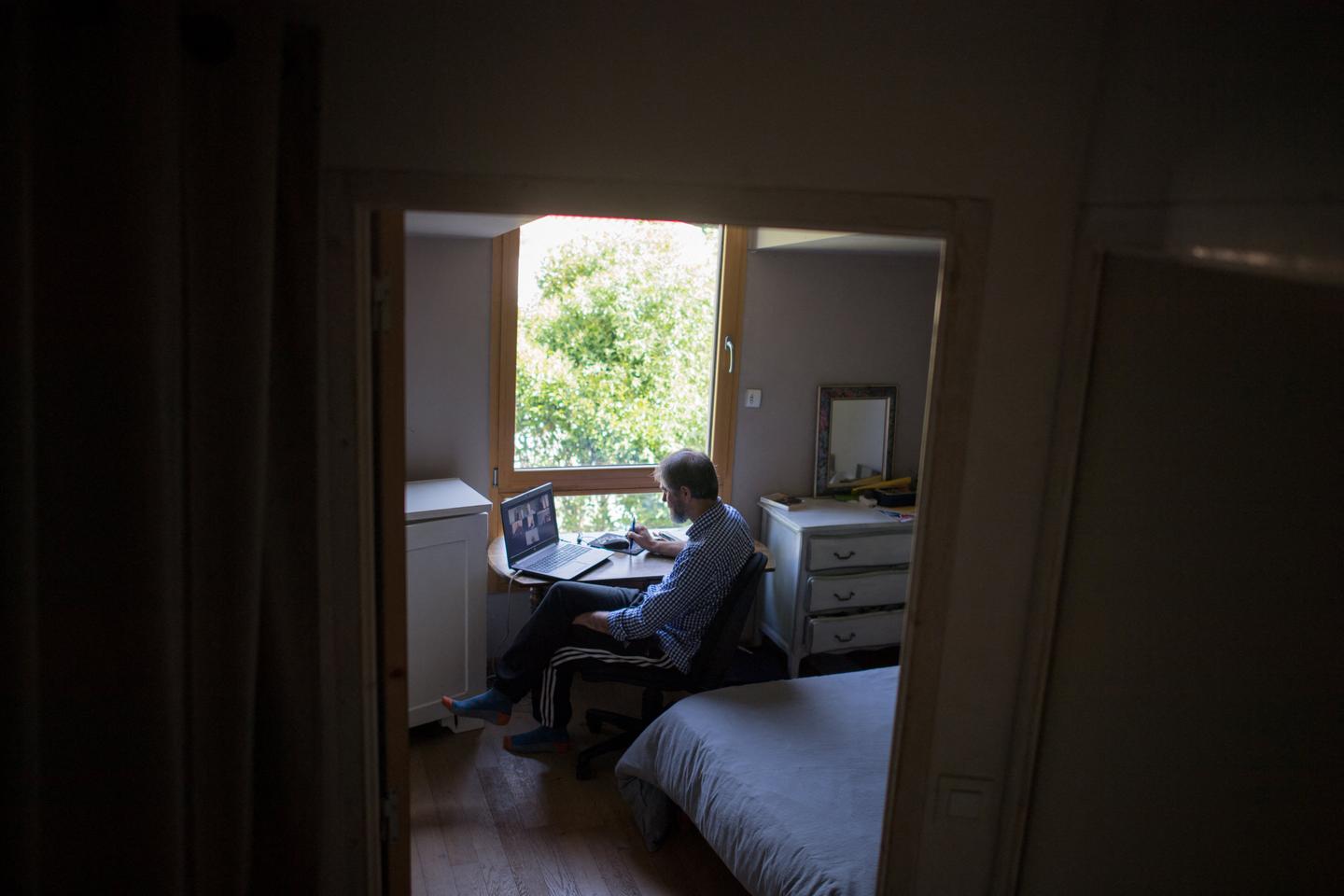
One finding stood out to me: women who work remotely are promoted at lower rates than men who do the same. Thirty-seven percent of women who work remotely three or more days a week have been promoted in the past two years—but 49% of men with the same arrangement have. This problem is starting early. Among entry-level remote workers, 44% of men were promoted and only 25% of women were. Relatedly, women who work remotely are less likely to say they have a sponsor at work. Thirty-seven percent of remote women again say they have a sponsor, compared to 52% of men.
What’s most shocking to me is not that this gap exists, but that it nearly disappears when you look at only women and men who both work mostly in the office. Among that cohort of on-site employees, 54% of men got a promotion in the past two years—and so did 53% of women.
We are seeing the impact of how companies handle remote work on women in real time. And I’m careful to say the impact of how companies treat it and not of remote work itself, because we’ve also seen the consequences of eliminating flexible working arrangements—women have been dropping out of the workforce entirely. But when employers don’t take care to ensure equitable opportunities for remote employees, women are clearly falling behind.