ByFiona Riley
ByFiona Riley,
Contributor.
As
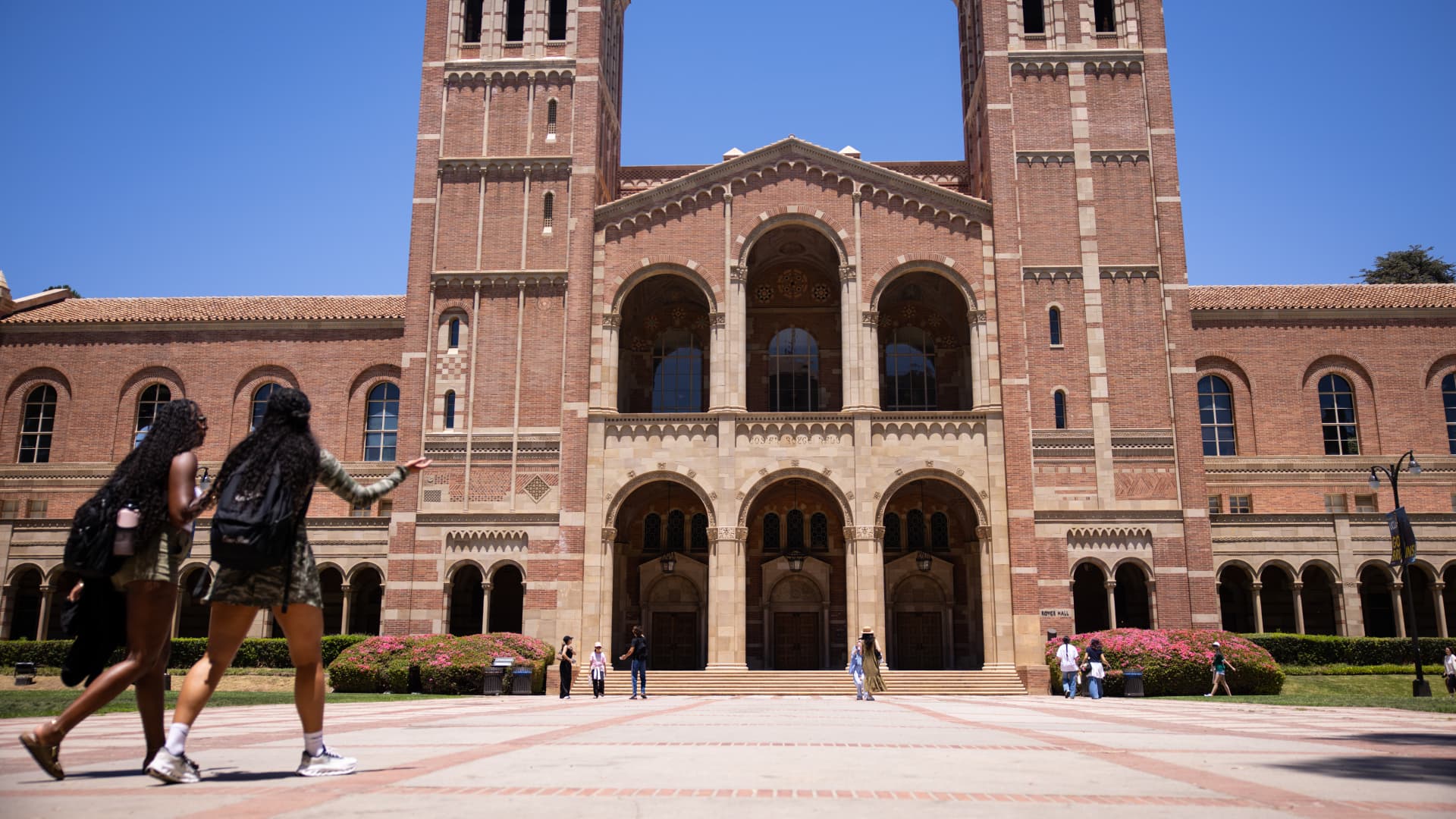
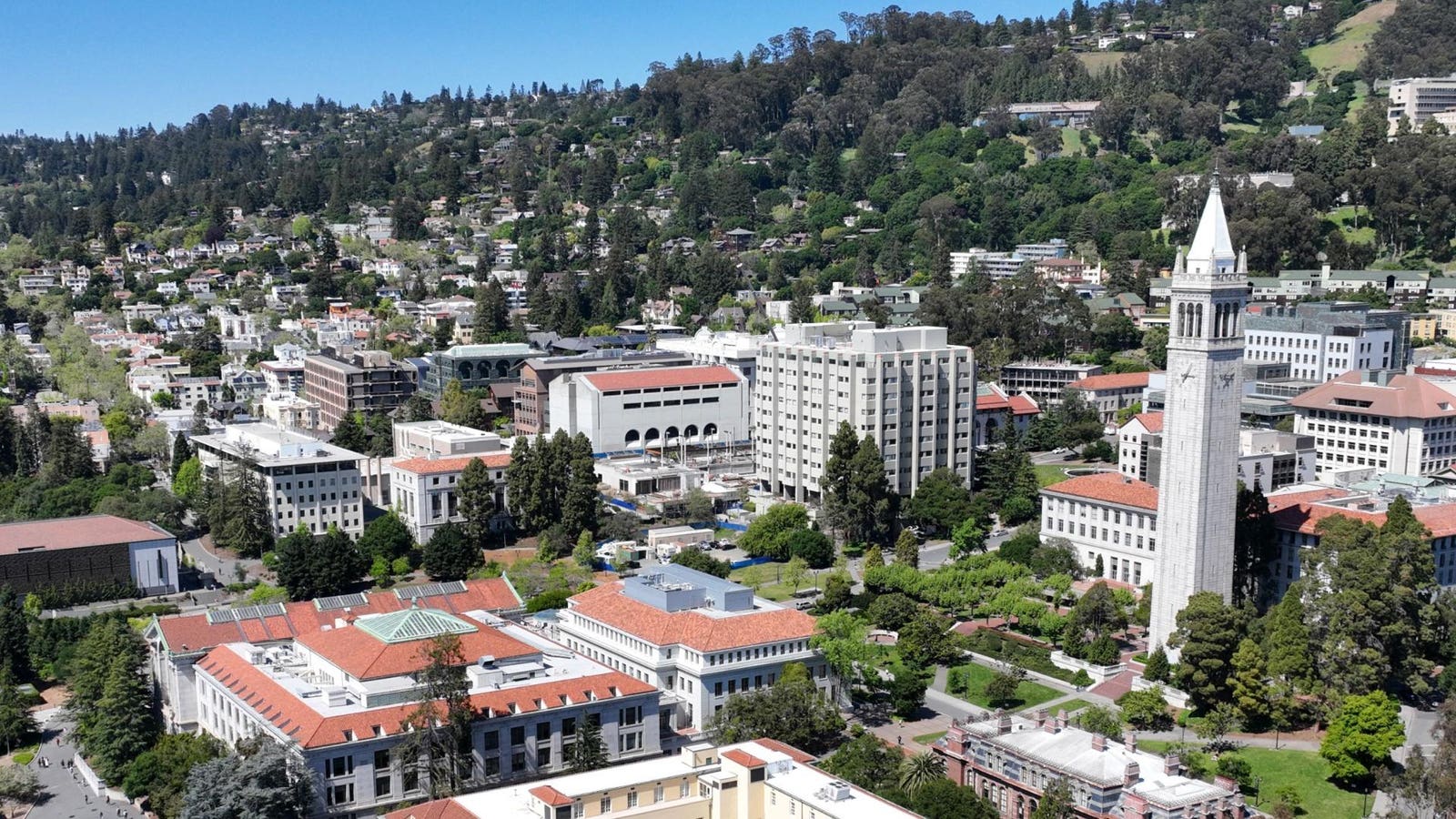
public universities brace for the impact of slashed research funding and future enrollment declines, they’re still doing the bulk of the work of educating America’s students, and doing it at a lower price than their private counterparts. Last spring, 5.3 million students were studying for their bachelor’s degrees at four-year public colleges, more than twice the 2.4 million studying for a bachelor’s at private, nonprofit colleges, the National Student Clearinghouse Research Center estimates. During the 2024-25 academic year, state public universities charged an average sticker price of $11,610 in tuition and fees for in-state undergraduates and $30,780 for out-of-staters, compared with the $43,350 tuition and fees sticker price at private nonprofits, according to data from the College Board. After grant aid, food, dorms and the rest are taken into account, in-state public college undergraduates had an average net cost of attendance of $20,780, compared to an average net cost of $36,150 at private not-for-profit colleges. (Keep in mind, however, that in some cases, depending on family income and the wealth and generosity of an institution, a private college can end up being cheaper. )