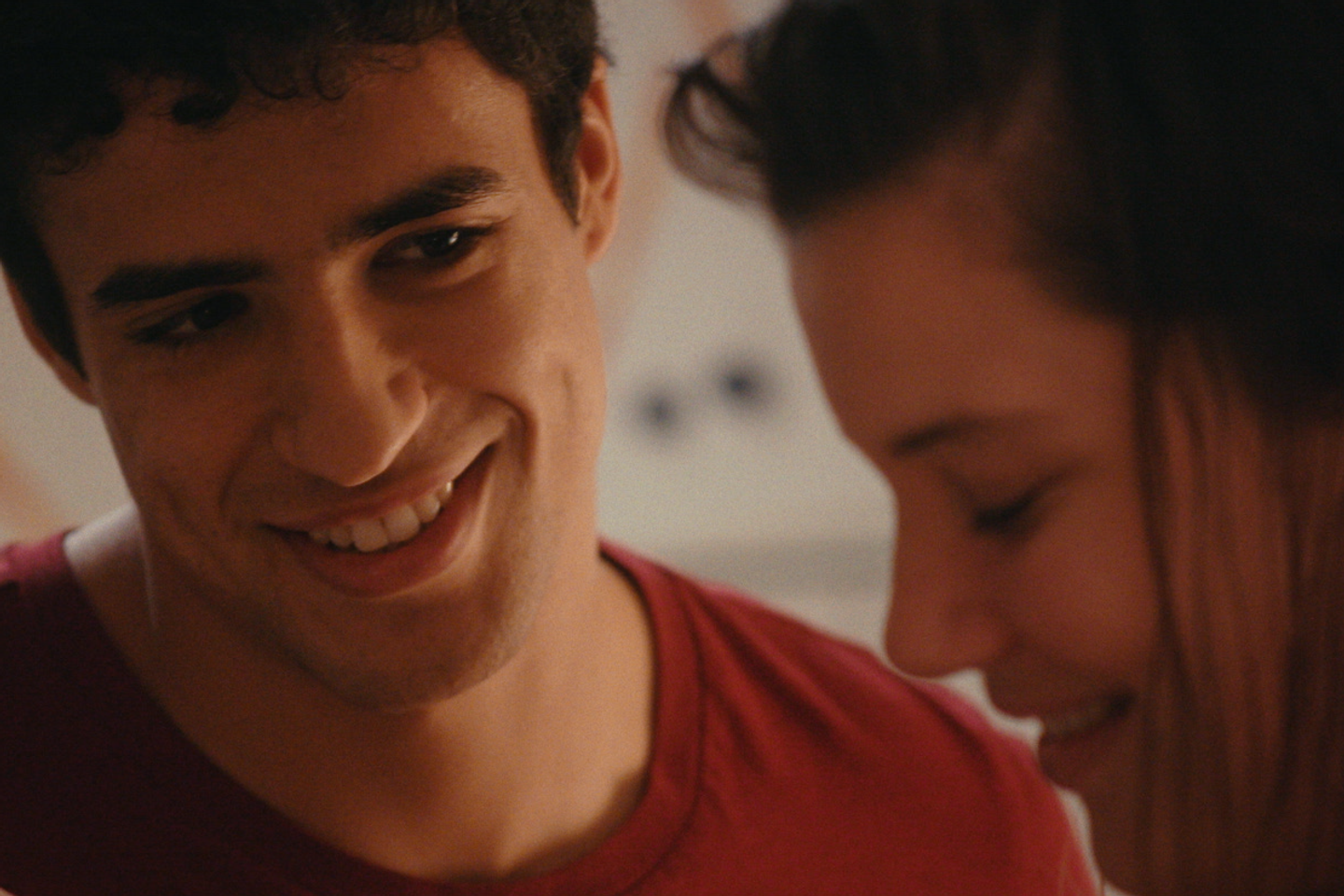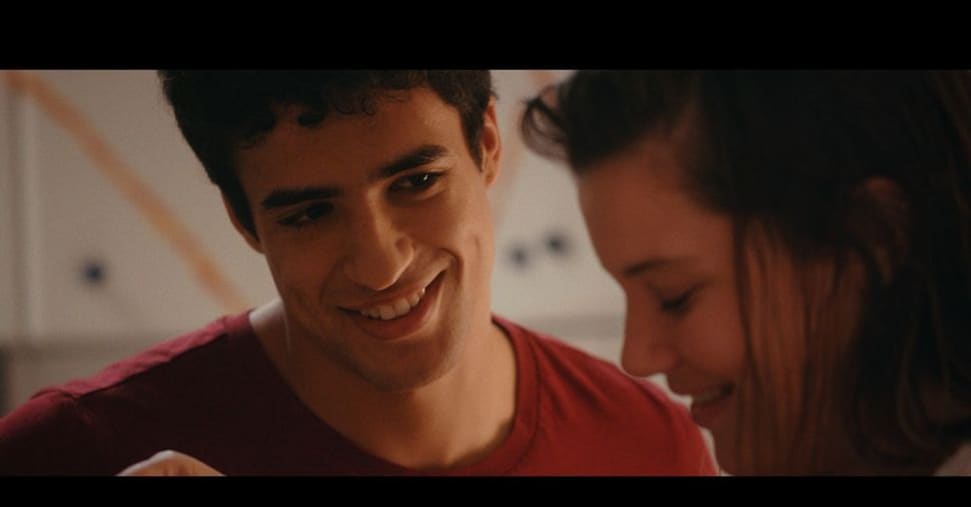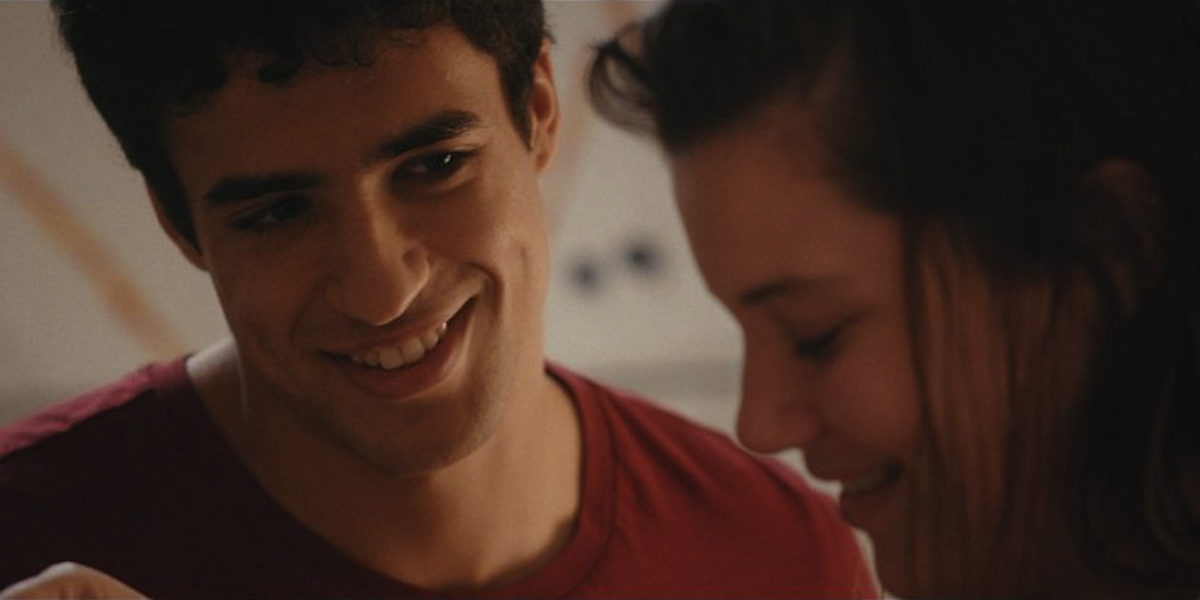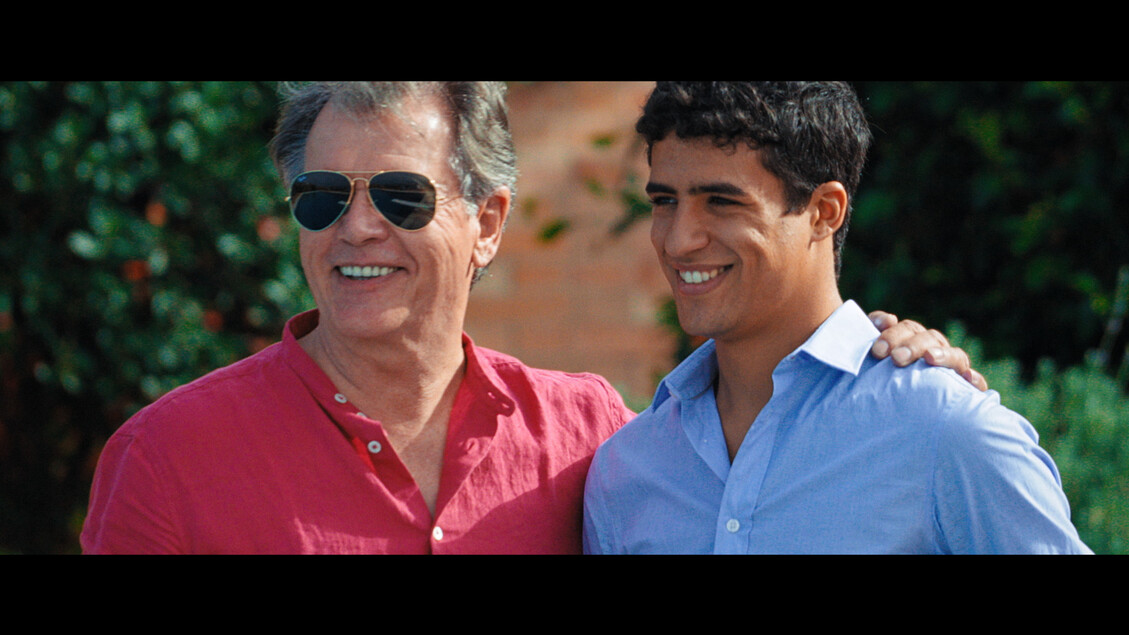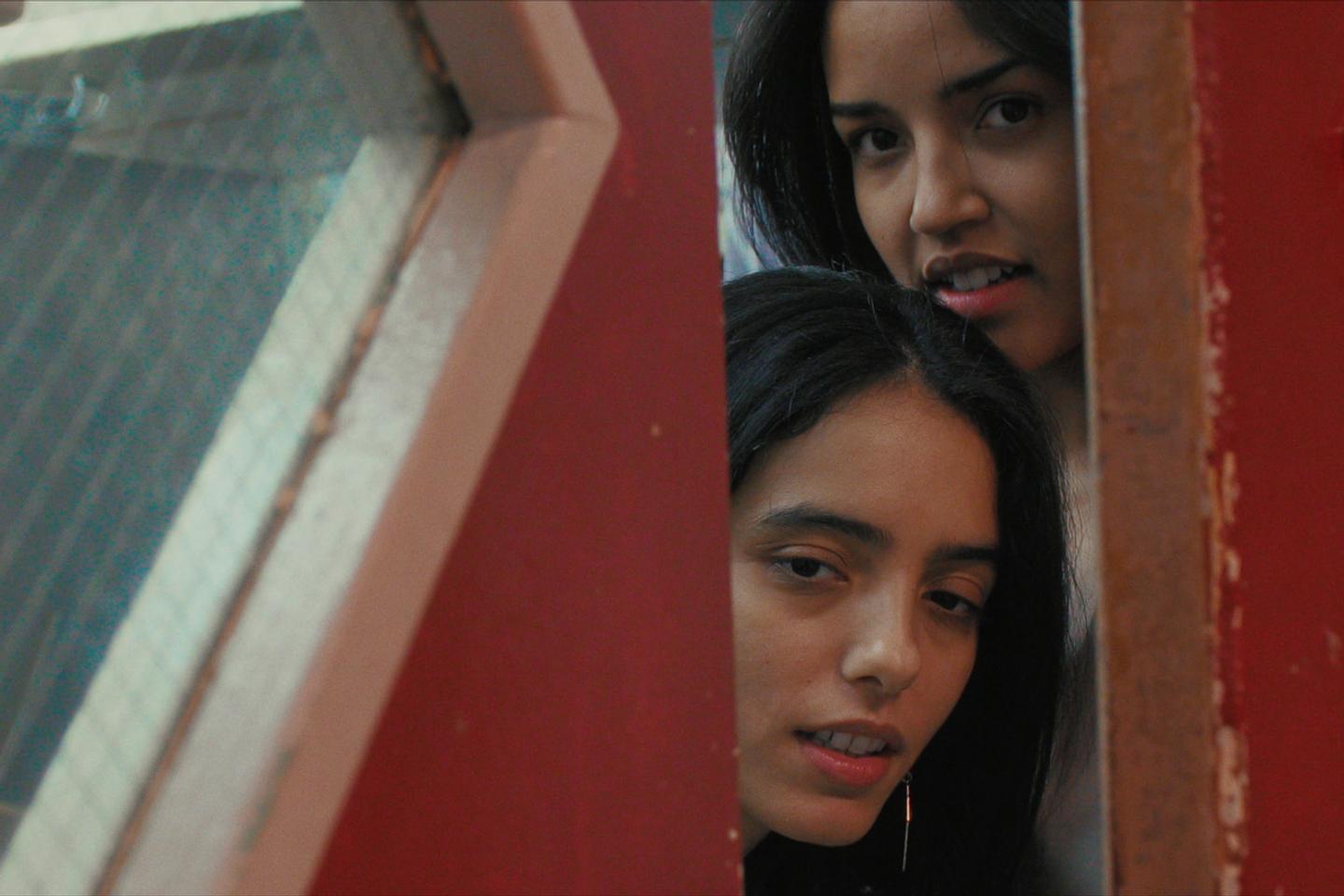
Hafsia Herzi (Camélia) and Dany Martial (Dany) in "Mektoub, My Love: Canto Due," directed by Abdellatif Kechiche. PATHÉ DISTRIBUTION
LE MONDE'S OPINION – MASTERPIECE
On the journey leading to this cinematic gem, Abdellatif Kechiche went full throttle, coming to the southern French city of Sète 10 years ago to wash away the disputes that had overshadowed the Palme d'Or for La Vie d'Adèle (Blue Is the Warmest Color) in 2013 –accusations of workplace violence, concupiscence and filming through the "male gaze."
In the hometown of Georges Brassens, who sang about his own "bad reputation," Kechiche, true to form, only compounded his troubles. Surrounding himself with a vibrant group of young people, he set his story between the sea and the blazing sun, and celebrated, up close, the tricks, detours and swooning of desire. He quivered at the Dionysian beauty of the world, and, above all, shot enough footage in nine months to make 10 films – all for a plot that could fit on a cigarette paper.
Amid countless dramas that cost Kechiche 10 more years of battles, three films emerged: Mektoub, My Love: Canto Uno (2018); Mektoub, My Love: Intermezzo (2019); and now Mektoub, My Love: Canto Due. Along the way, there was a trench war with his producer Pathé; a disastrous Cannes screening for Intermezzo, a lengthy sexual trance boycotted by its lead actress that would never be released; a court-ordered liquidation of his production company; and, above all, a stroke, just before the third installment's premiere at Switzerland's Locarno Film Festival in August.