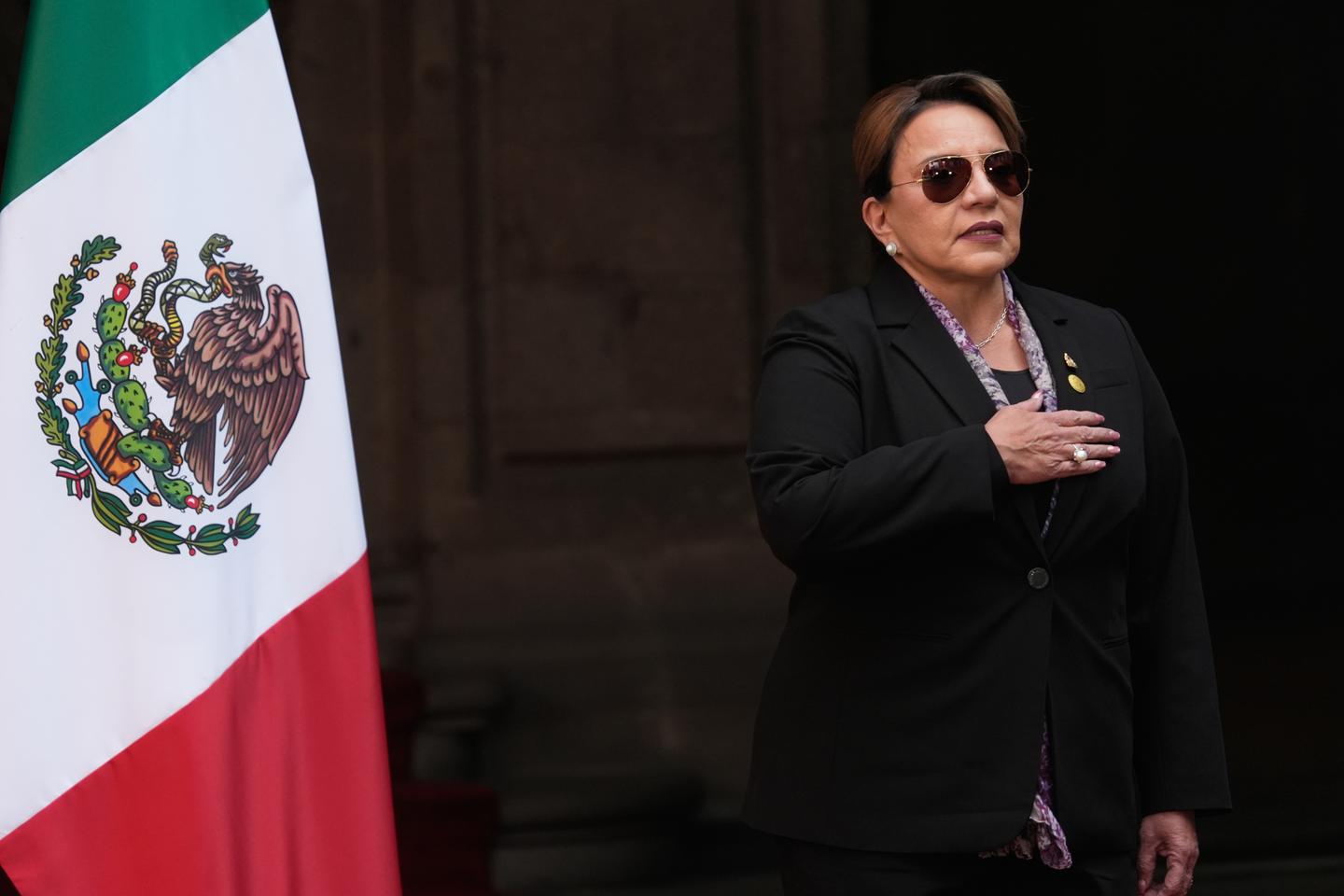
Honduran President Xiomara Castro attends a ceremony at the Palacio Nacional, the seat of the Mexican presidency, in Mexico City, Tuesday, November 25, 2025. MARCO UGARTE / AP
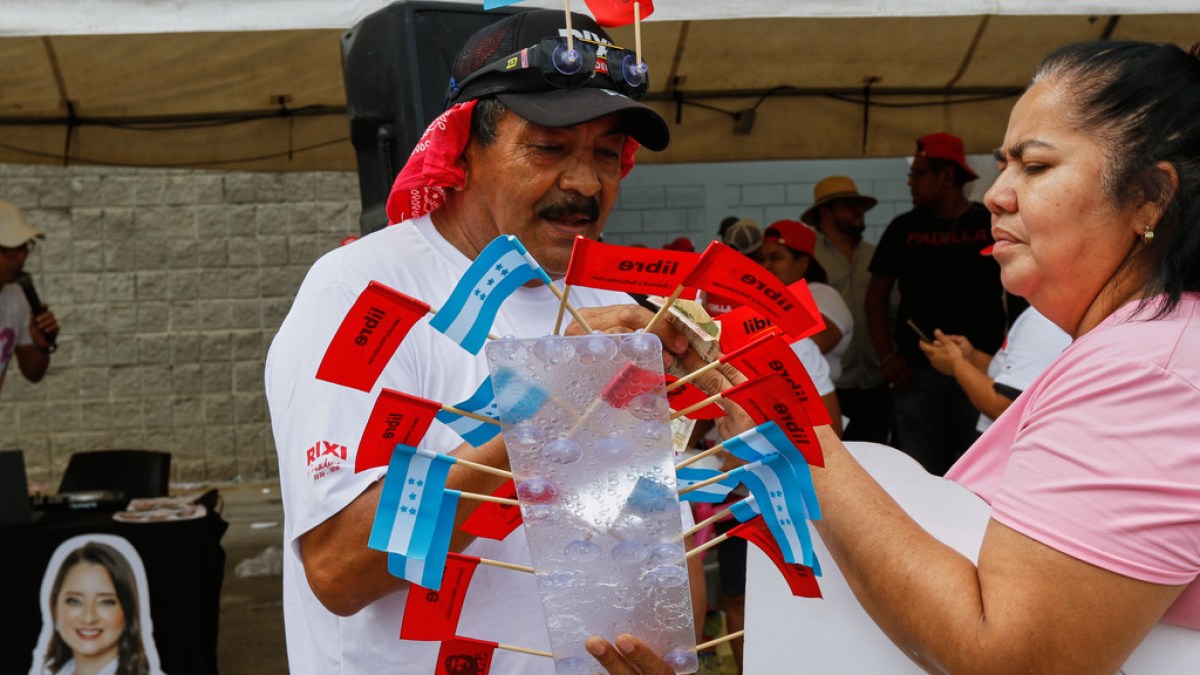
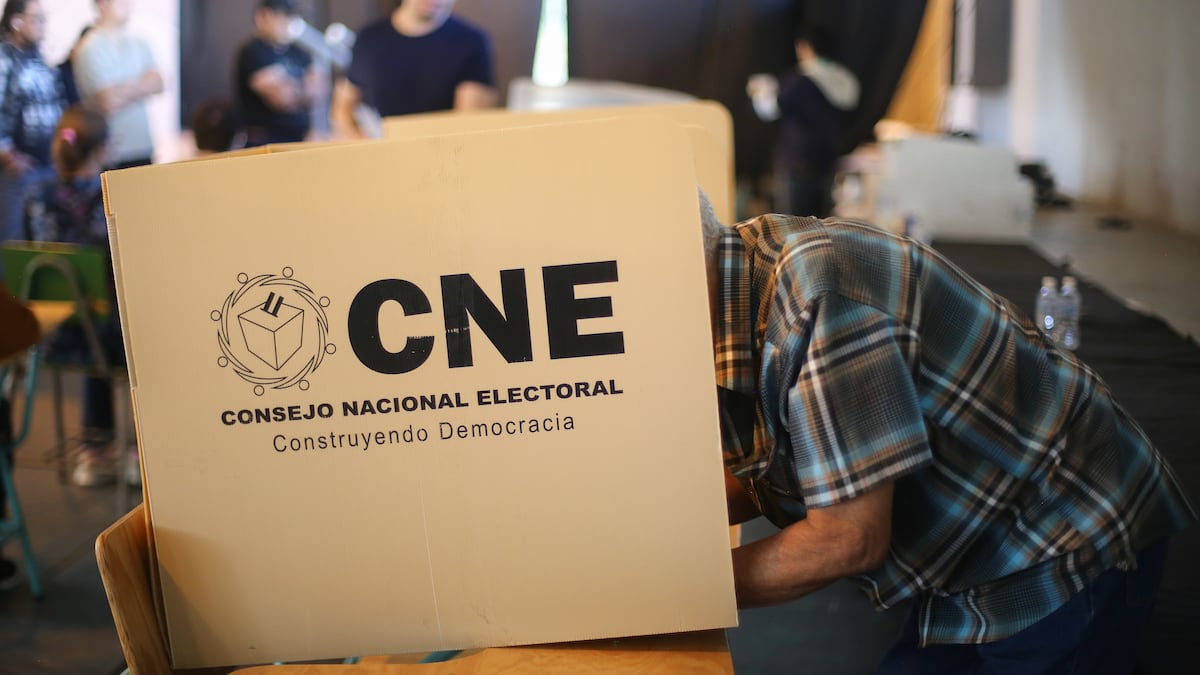
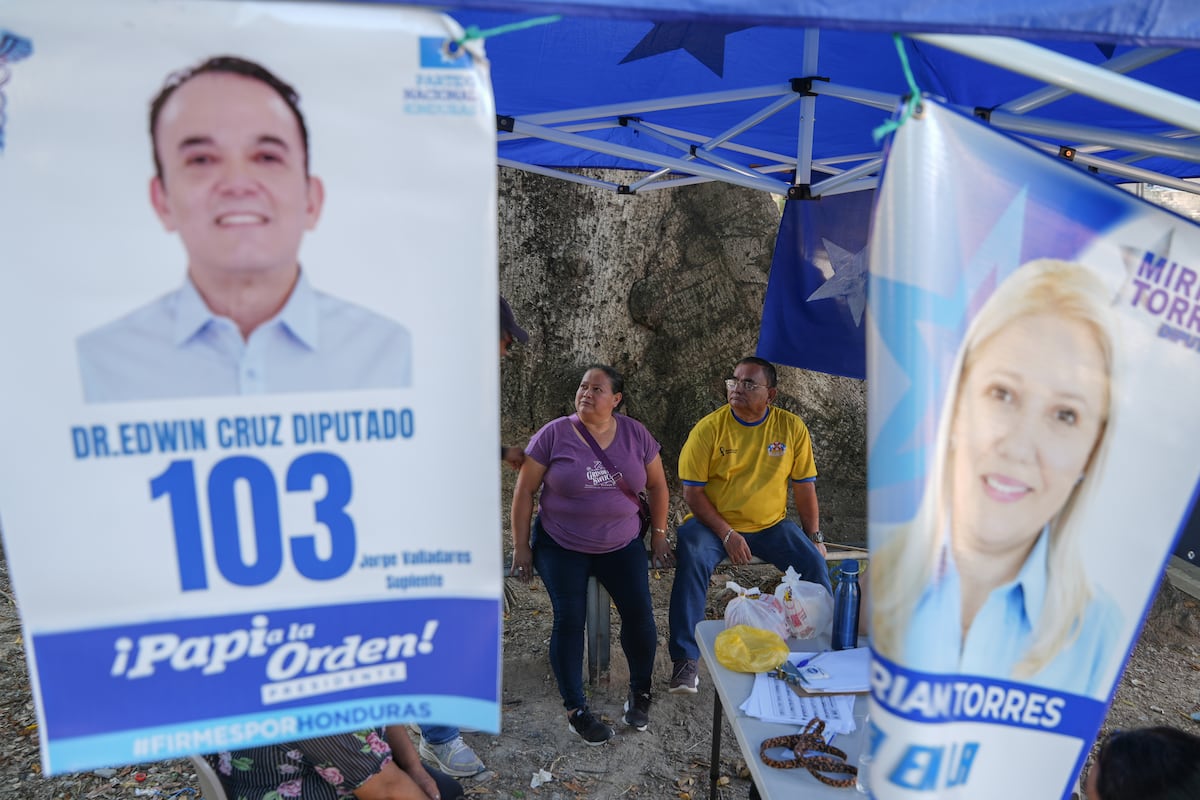
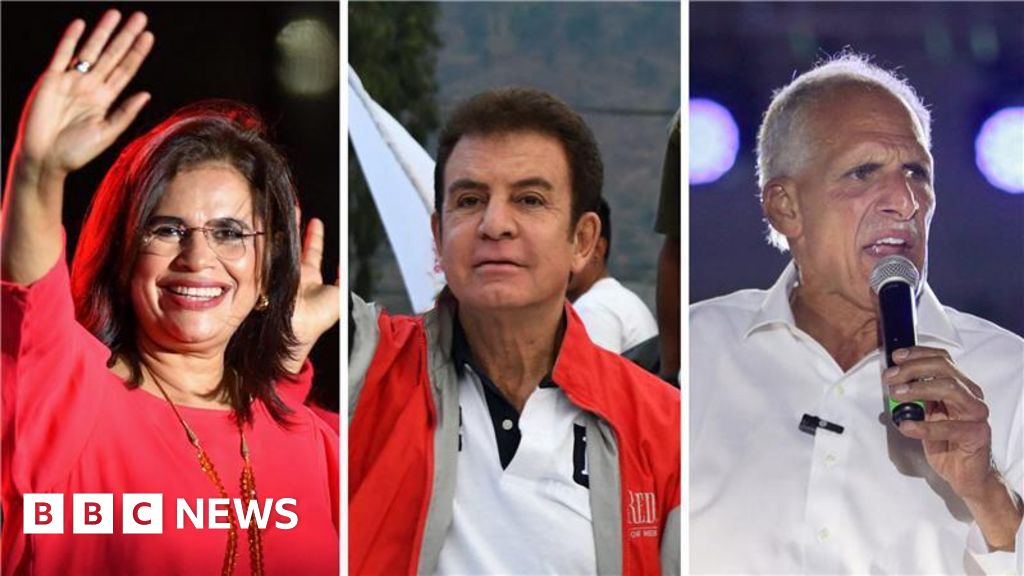
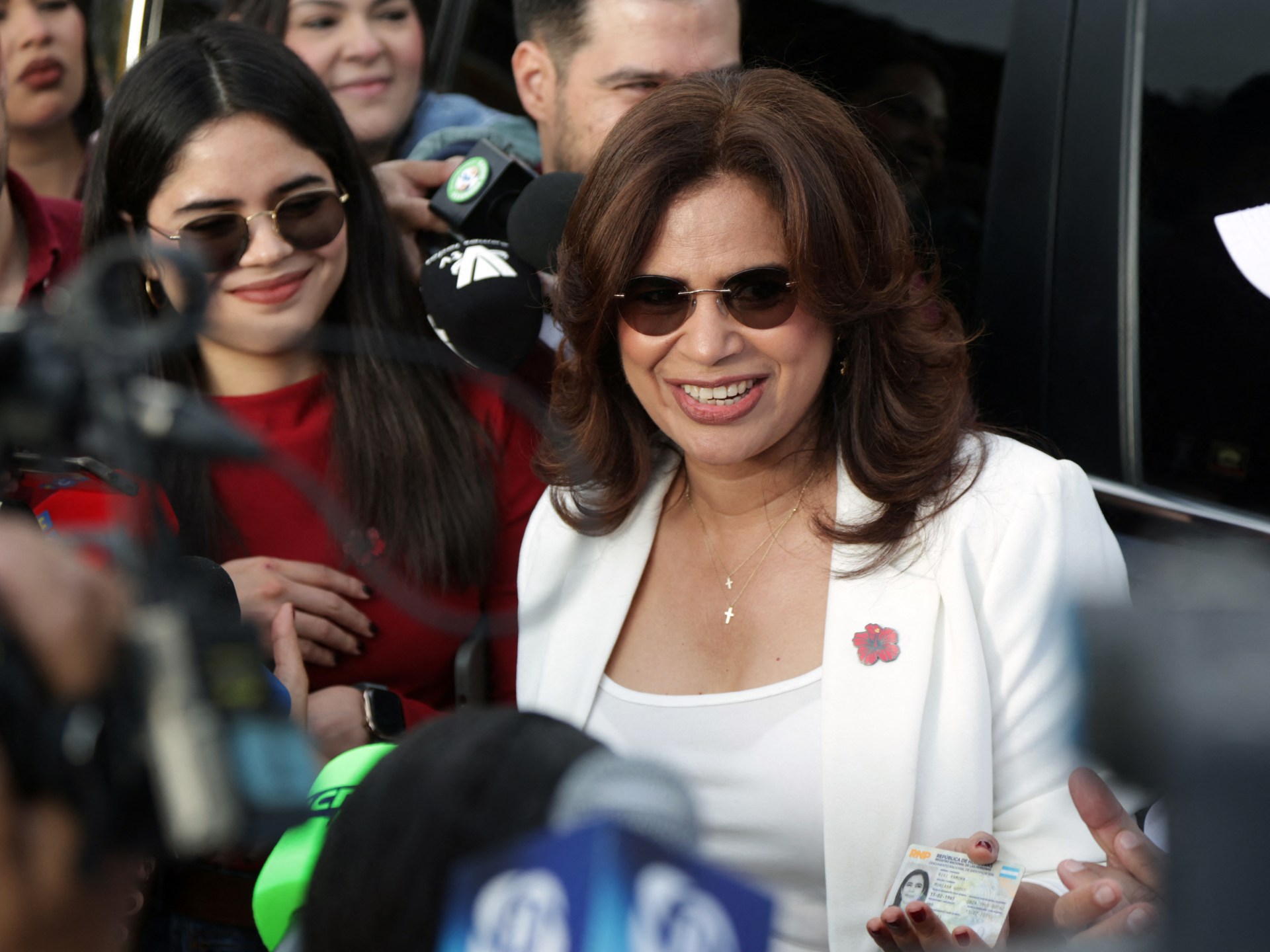
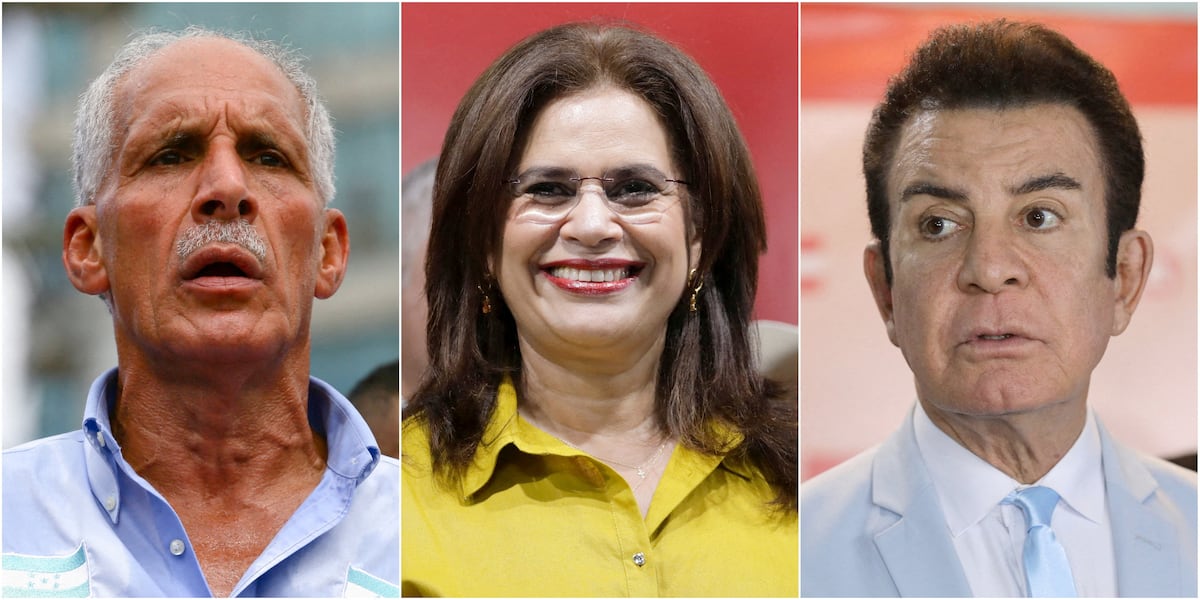
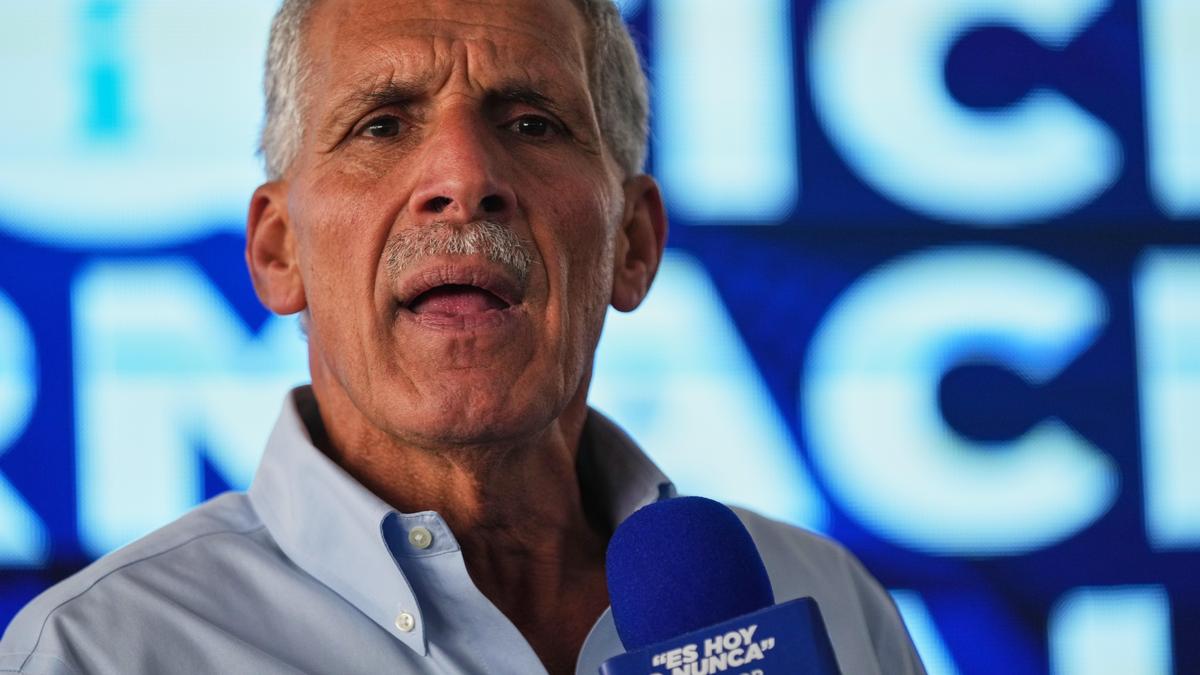
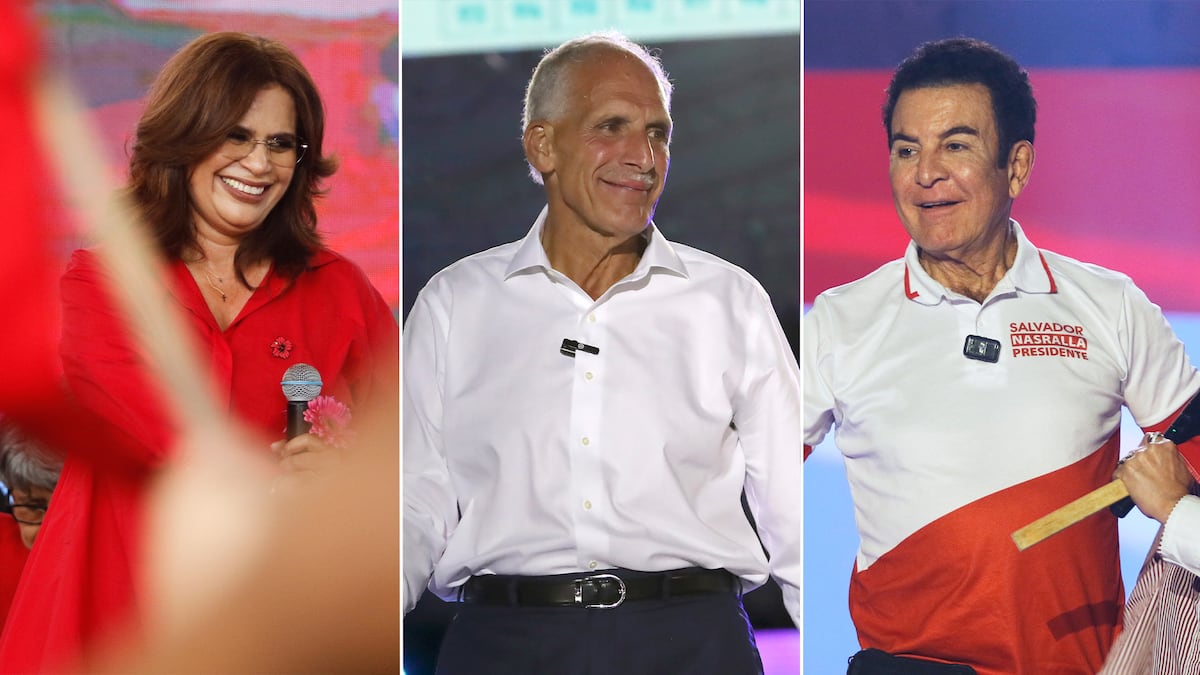
Nearly six million Honduran voters were called to the polls on Sunday, November 30, to choose their next president, 128 members of the Congreso Nacional, and almost 300 mayors. The campaign was marked by mutual accusations of fraud and promises focused on the economy. Yet the three main candidates barely addressed the record of Xiomara Castro, the country's first left-wing president, elected in 2021 under the banner of the Partido Libertad y Refundación (Libre), whose term ends on January 27, 2026, and who is not seeking re-election.
The president was forced to dedicate most of her energy to fighting insecurity after her predecessor, right-wing Juan Orlando Hernandez of the Partido Nacional (2014-2022), was sentenced in 2024 to 45 years in prison in the United States for drug trafficking. During his trial, US prosecutors described Honduras as a "narco-state," responsible for sending more than 500 metric tons of cocaine to the US. Castro thus inherited a country in disarray, infiltrated by drug trafficking and considered one of the most violent in Central America.