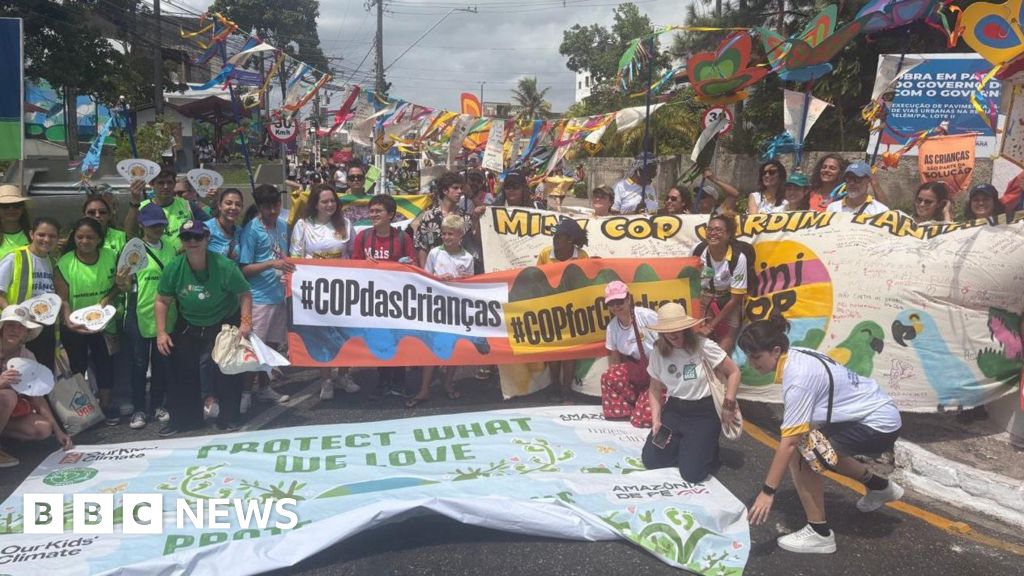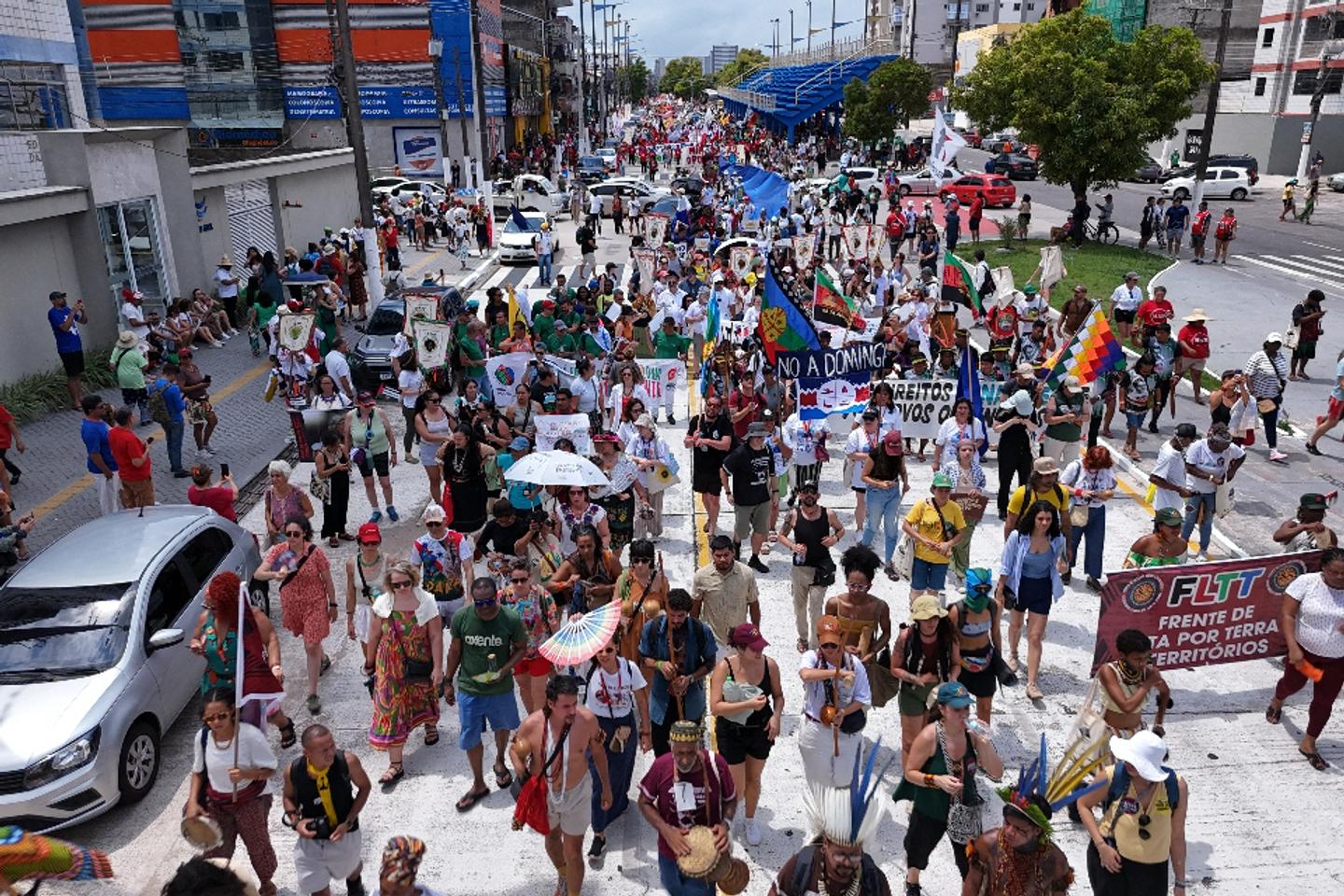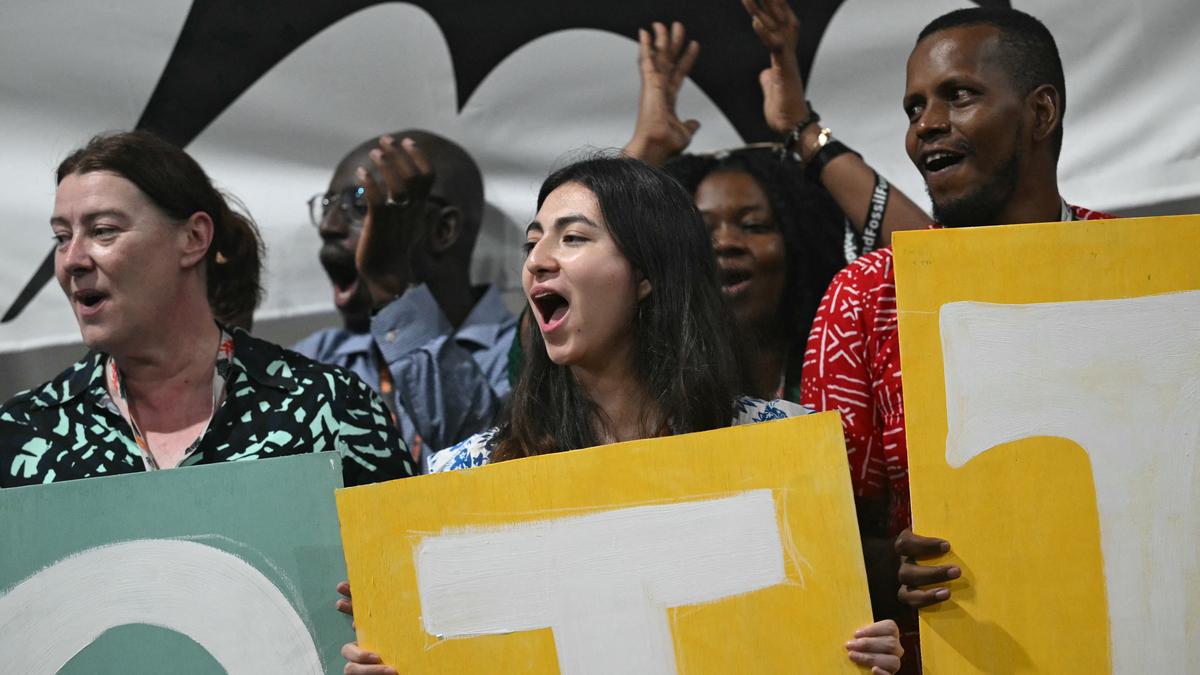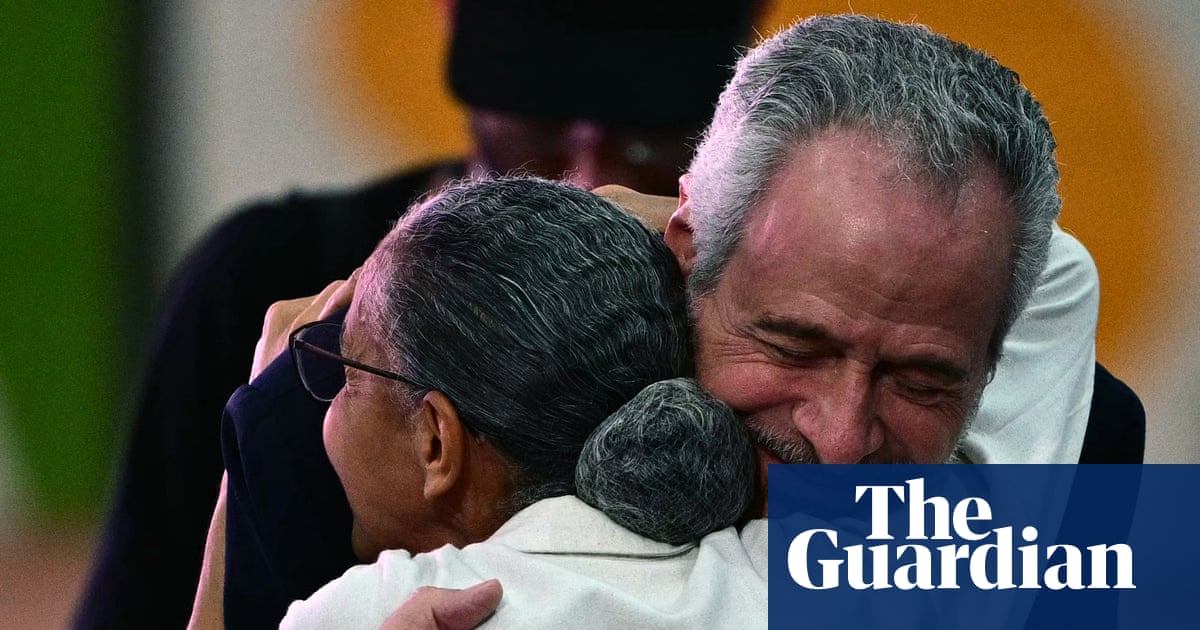
Emotions ran high at the UN climate summit in Brazil, which was hit by its first major protest in four years
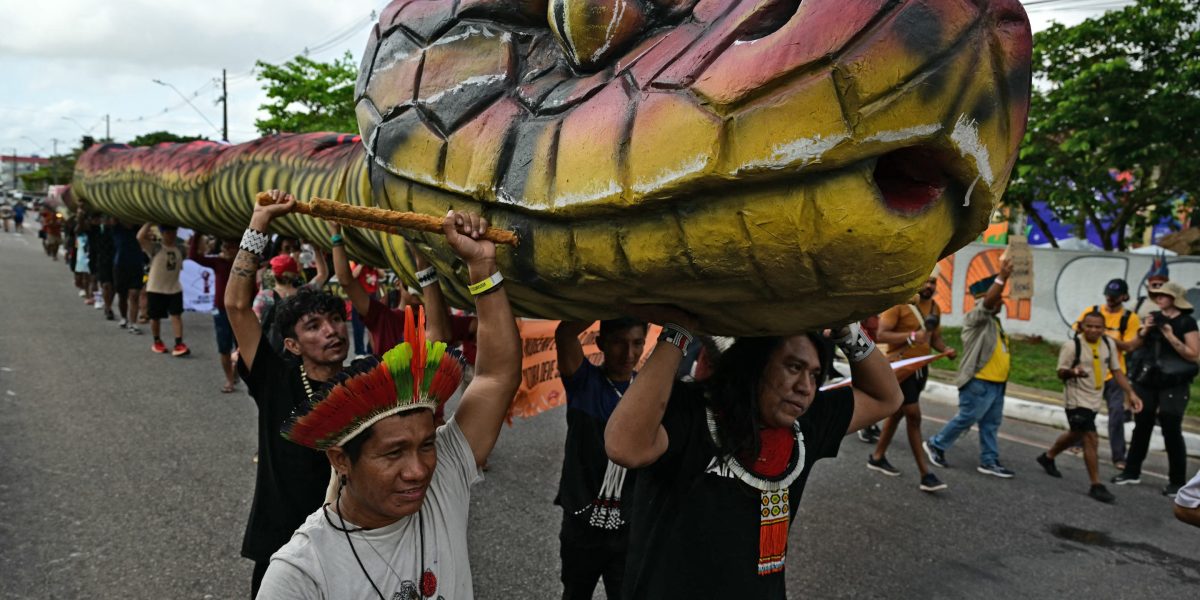
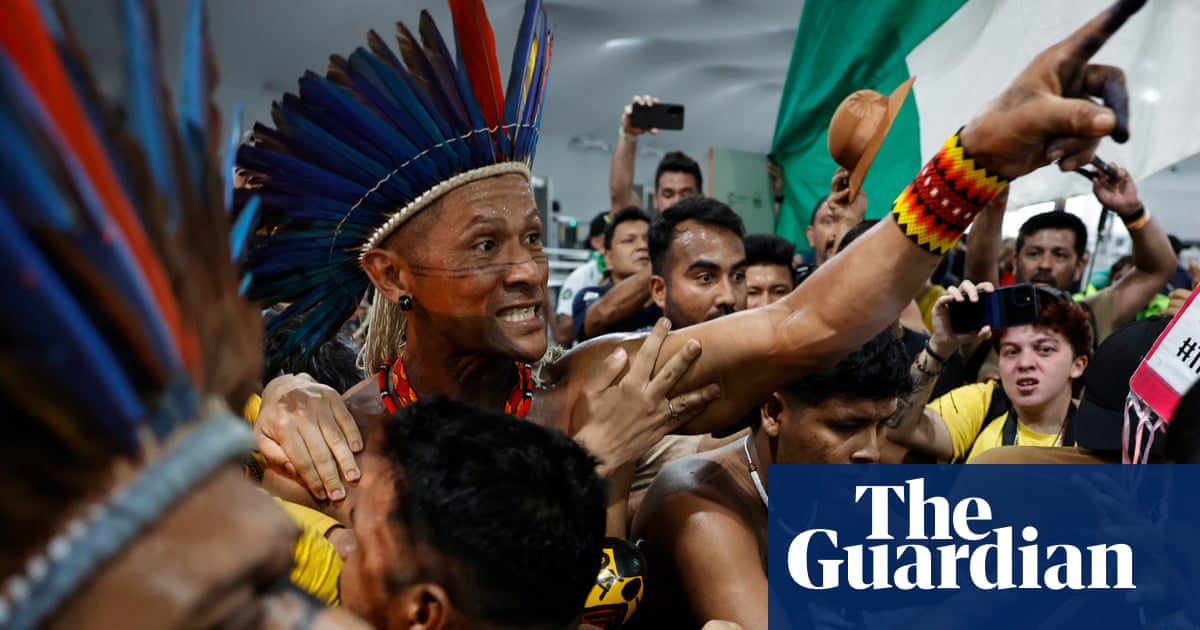
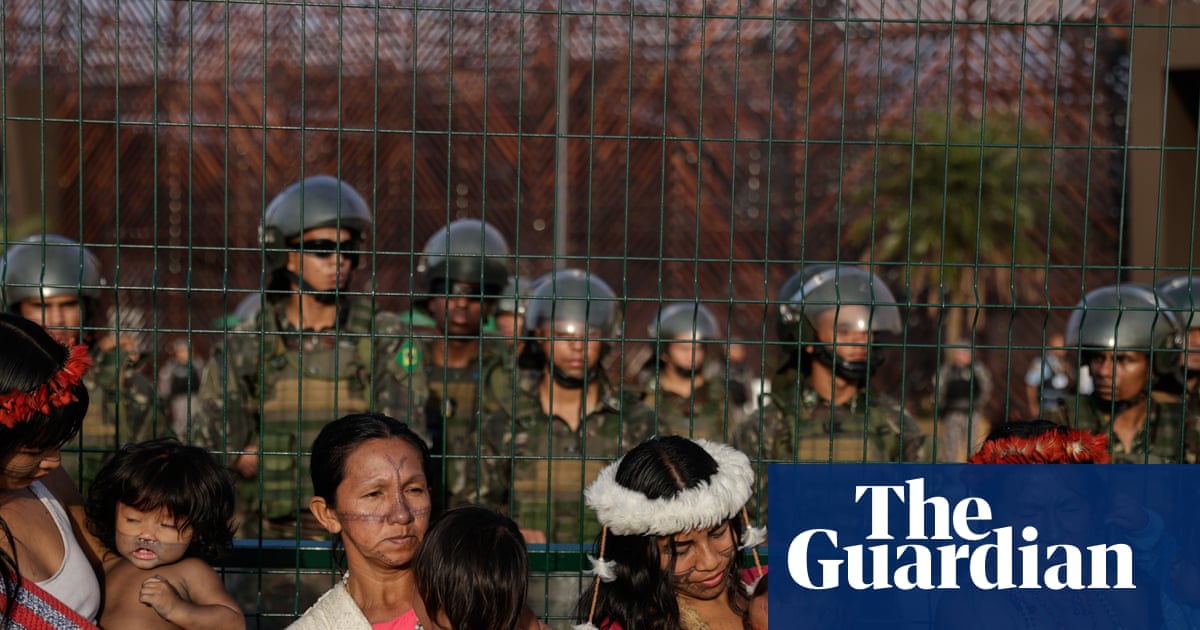
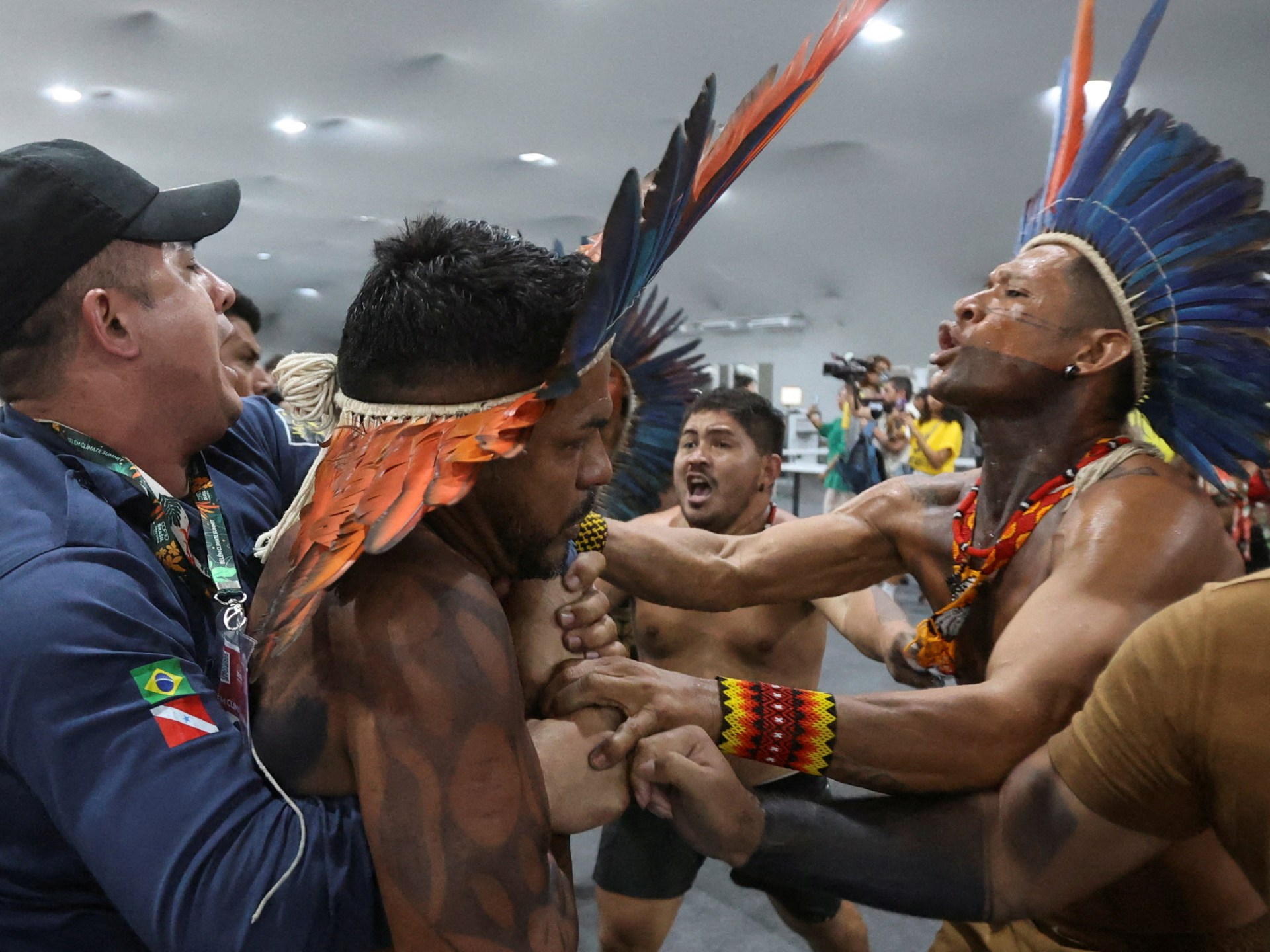
It was a tense moment. A group of about 50 people from the Munduruku, an Indigenous people in the Amazon basin, had blocked the entrance to the Cop30 venue in protest, causing long lines of delegates to snake down access roads, simmering in the morning heat.
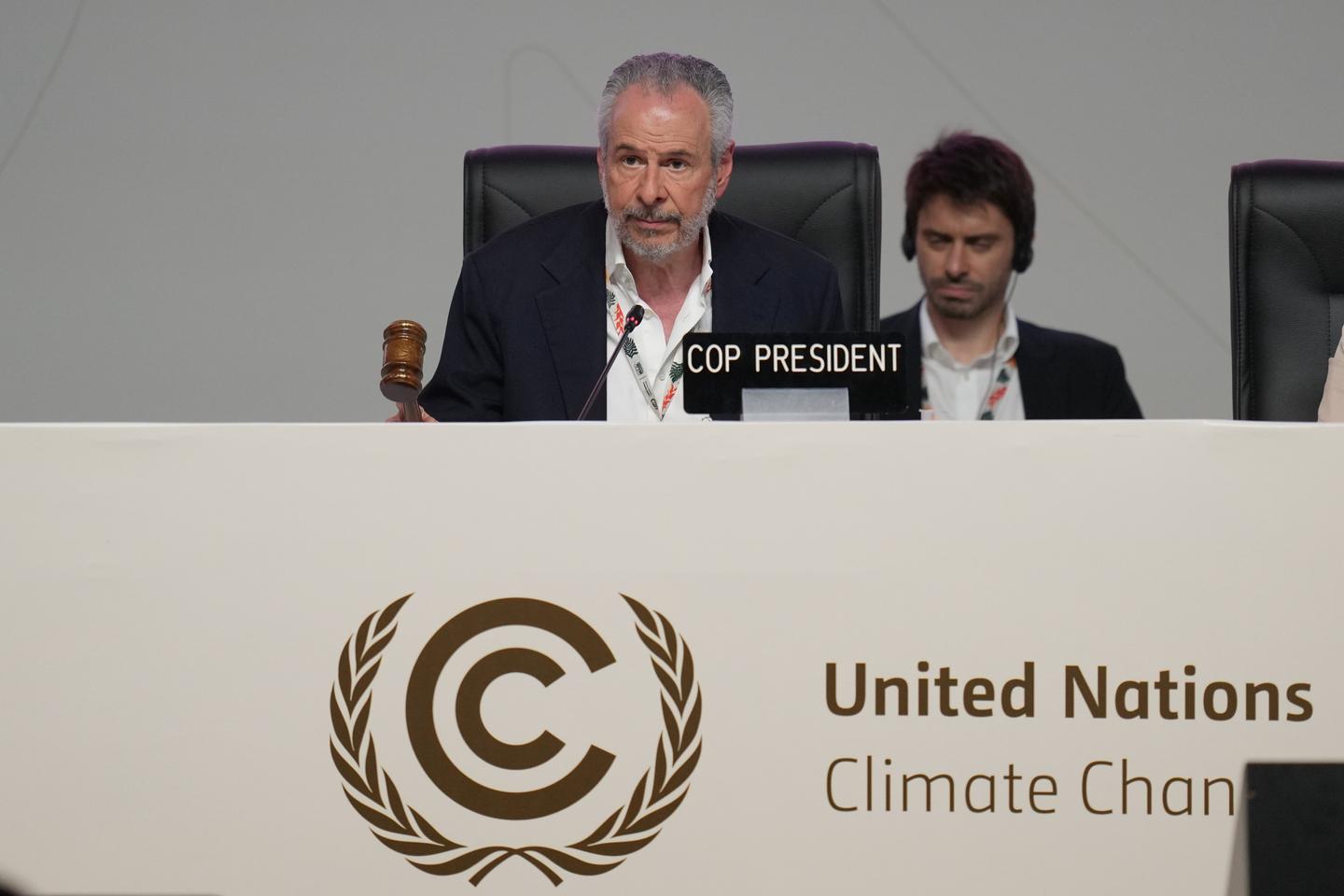
The Munduruku, unhappy about the ruination of their forest and rivers by industry and their lack of voice at Cop30, demanded to speak to Luiz Inácio Lula da Silva, Brazil’s president. Instead, they got André Corrêa do Lago, the president of the talks.
With a scrum of onlookers and reporters jostling, Corrêa do Lago appeared and seemed to recognise the visual power of the moment. He was handed a baby cradled by one of the women in the group and held the child for some time, the angular diplomat in his open-necked shirt and suit puffing his cheeks out and smiling at a baby with body paint and a garland of bright petals.
A veteran diplomat, Corrêa do Lago’s role was to listen, nodding along to the protestations from the Indigenous representatives. He then led the Munduruku, with their spears, bows and arrows, young and old alike, through the crowd to a gated building for a further conversation, which lasted for more than three hours. OM