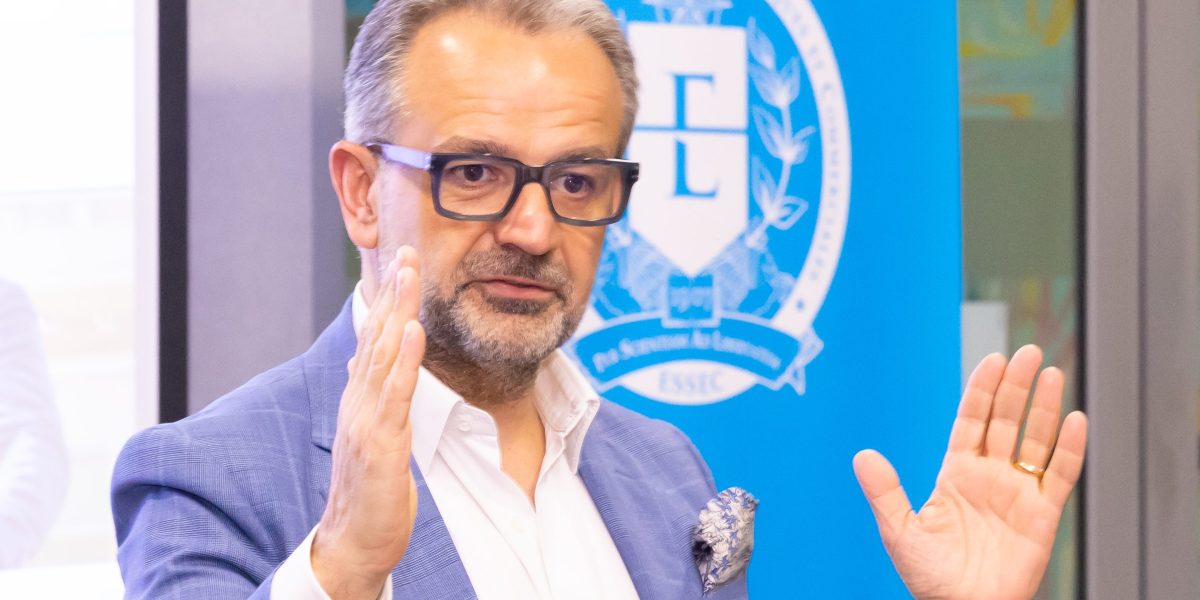
Higher education has a duty to “train the leaders of tomorrow,” says the head of one of Europe’s leading business schools, as geopolitics threatens to decouple economies, reverse globalization, and shake up the traditional pathways for talent and migration.
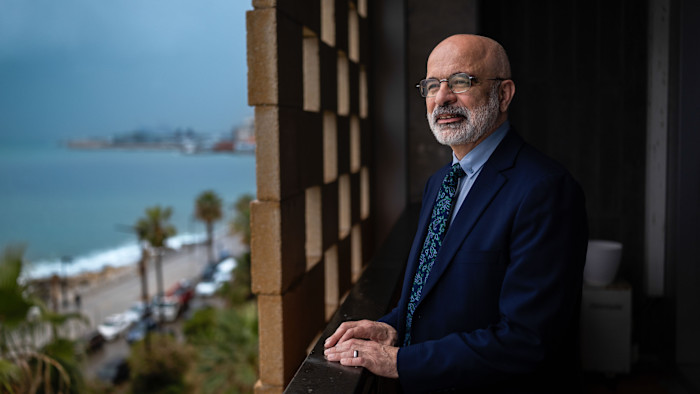
“[Globally,] there is this sense of fragmentation,” Vincenzo Vinzi, the dean of ESSEC Business School, tells Fortune.
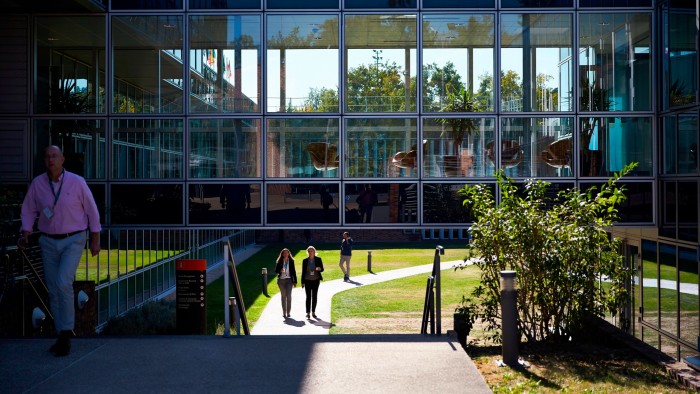
Essec was founded in 1907 in Paris, France, originally as the Economic Institute within the École Sainte-Geneviève. It’s now a global institute of higher education with four campuses across three continents: Europe, Asia and Africa.
As part of its signature program, students rotate through campuses in Morocco, Paris and Singapore. This builds leaders who are “multicultural,” Vinzi says—a trait he believes tomorrow’s leaders will need. “By attending classes in three continents, they are exposed to different experiences, cultures, ways of doing business, political environments and diversity as a whole,” he explains.
Traditional hubs for higher education are starting to look more skeptically at international students. The U.S.’s immigration crackdown, as well as cuts to research funding and pressure on top universities, is dissuading students from applying to American schools. The number of new international students attending the U.S. fell by 17% for the current academic year, according to the Institute of International Education, a U.S. nonprofit. Other hubs for higher education, like the UK and Australia, are also considering cutting international admissions.