Did the talks succeed or fail? The verdict must take account of the geopolitical minefield they took place in
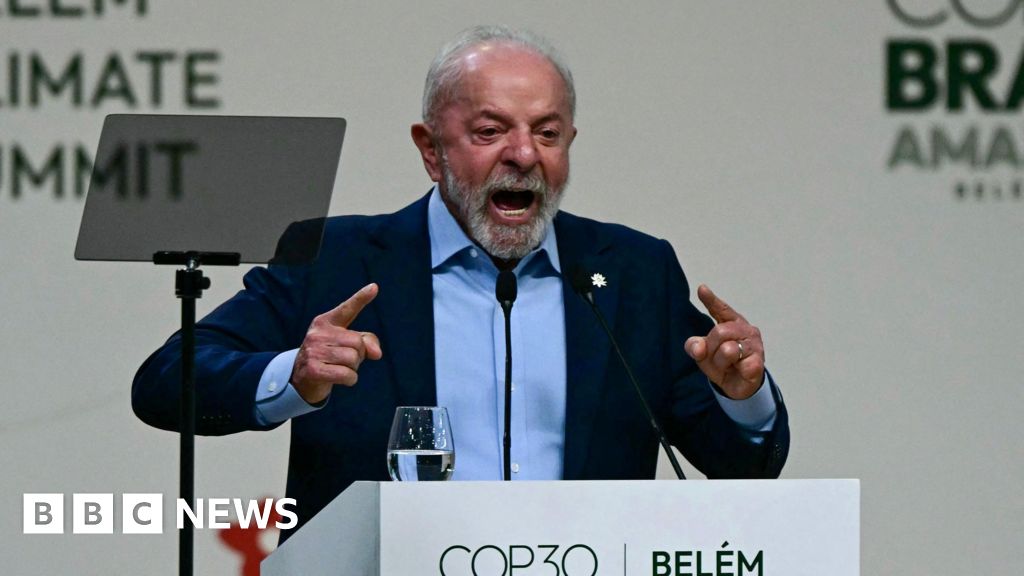
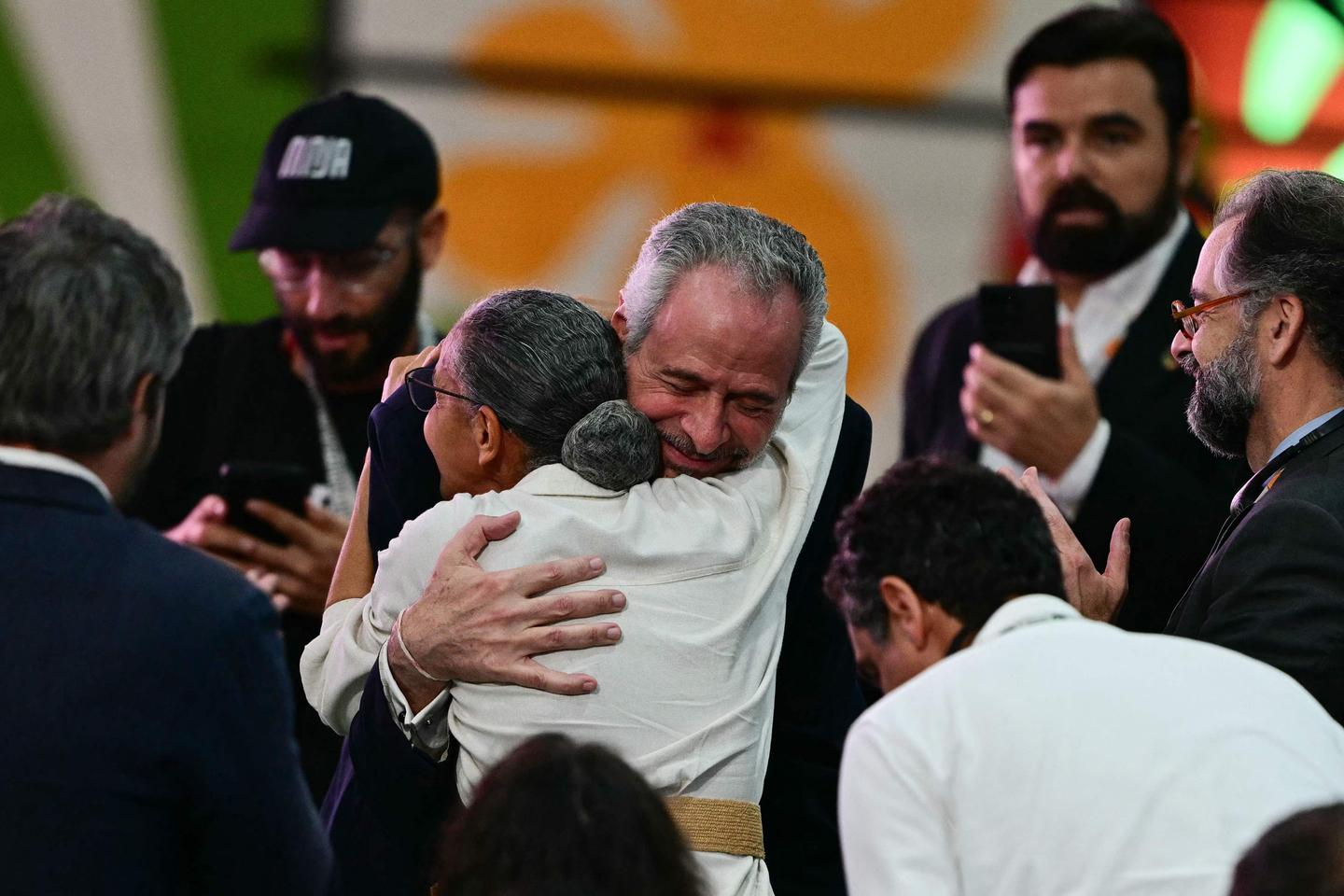
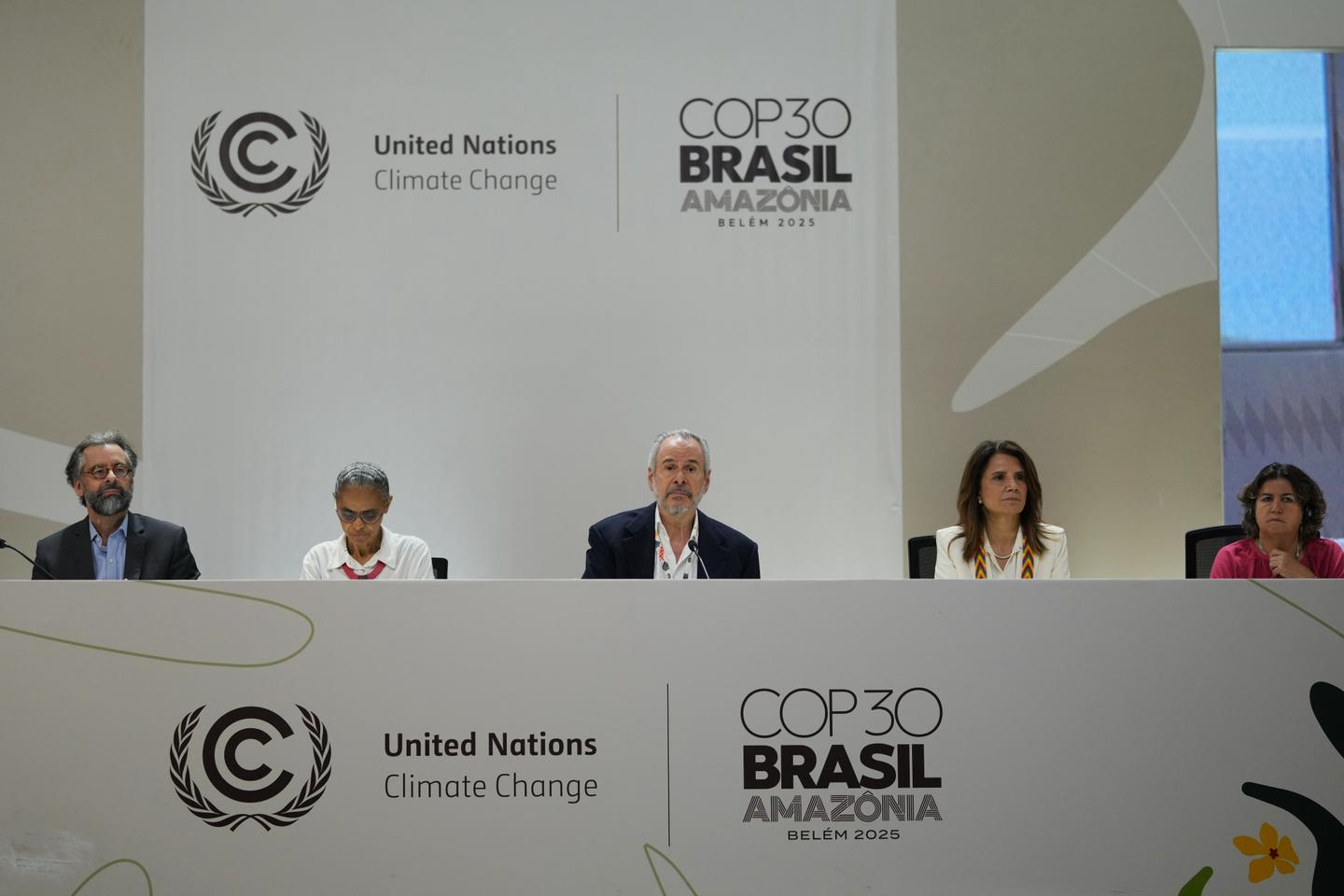
Cop30 in Belém wrapped up on Saturday night more than 24 hours later than planned, and with an Amazonian rainstorm thundering down on the conference centre. The United Nations structure just about held, as it has done these past three weeks despite fire, savage tropical heat and blistering political attacks on the multilateral system of global environmental governance.
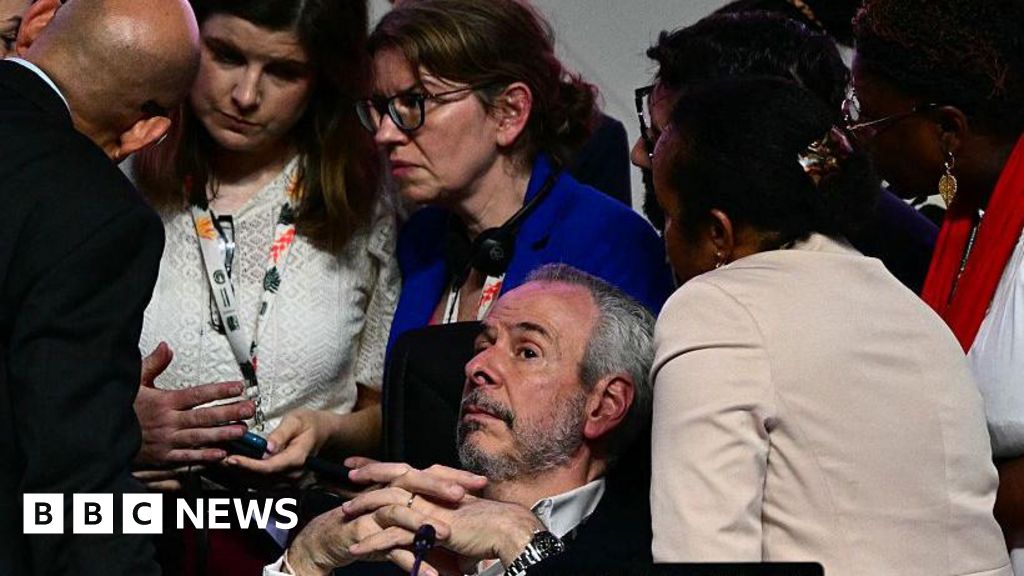
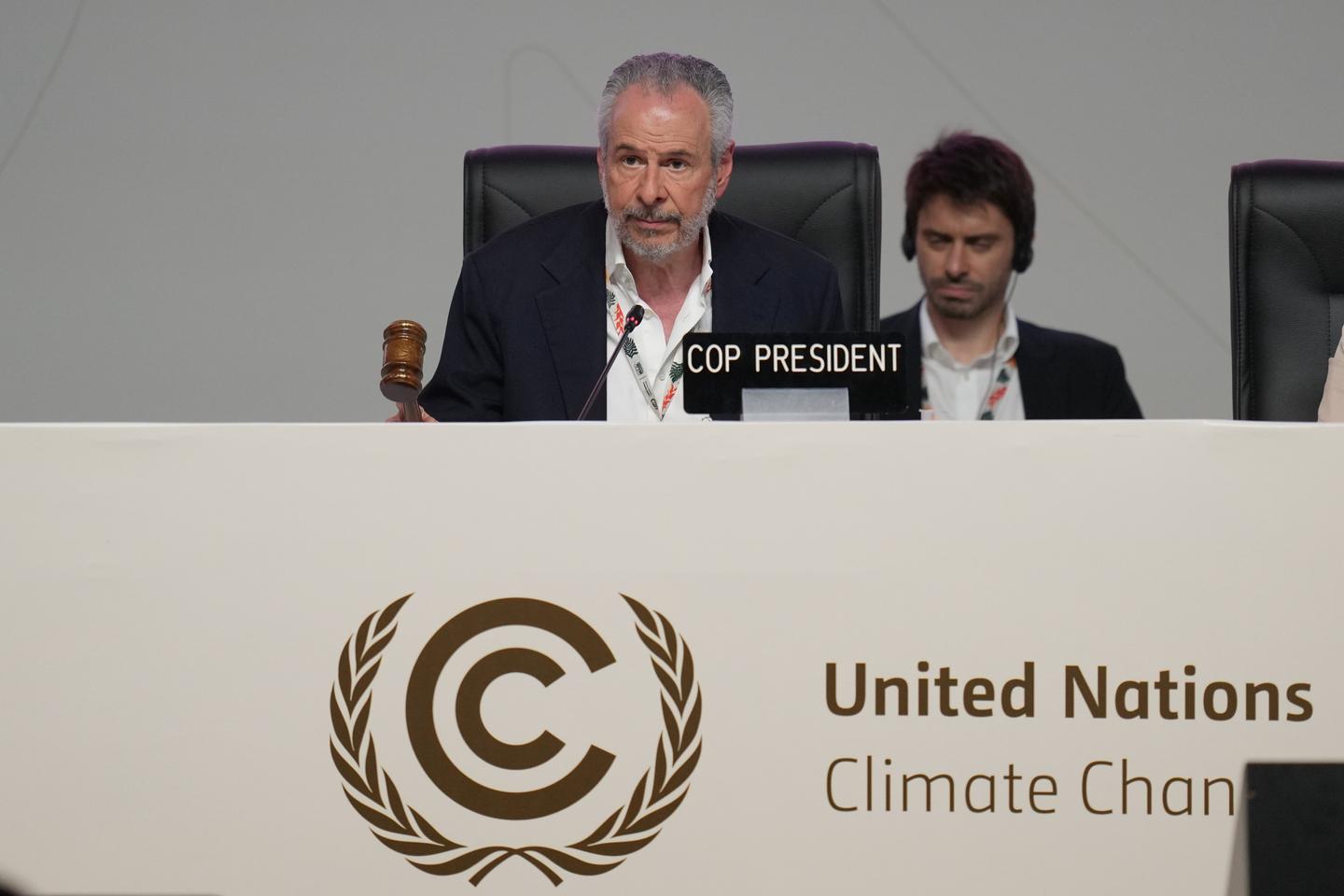
Dozens of agreements were gavelled through on the final day, as the most collective form of humanity worked to resolve the most complex and dangerous challenge that our species has ever faced. It was chaotic. The process very nearly collapsed and had to be rescued by last-ditch talks that lasted into the early morning. Veteran observers told me the Paris agreement was on life-support.
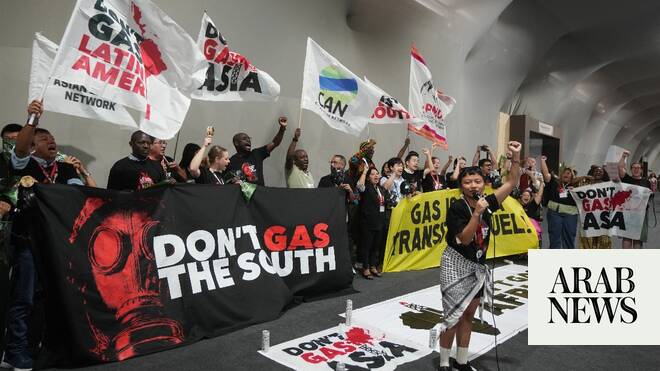
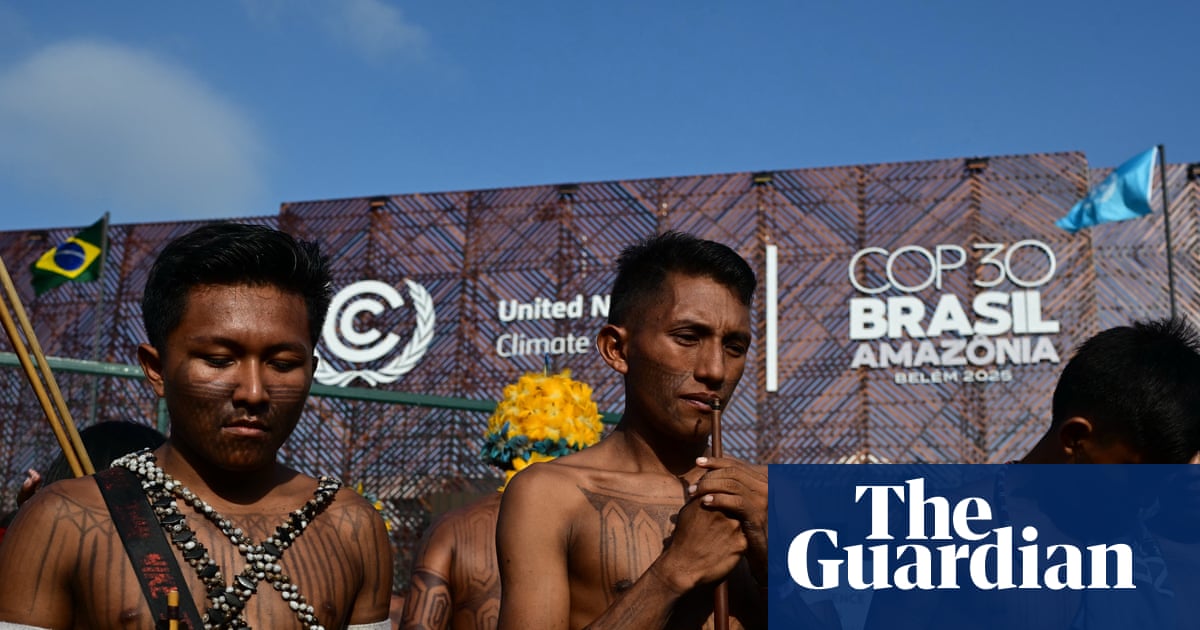
But it survived. For now at least. The outcome was not nearly enough to limit global heating to 1.5C. There was a considerable shortfall of the finance needed for adaptation by the countries worst affected by extreme weather. The importance of rainforest protection barely got a mention even though this was the first climate summit in the Amazon. And the power balance in the world is still so skewed towards gas, oil and coal interests that there was not even a single mention of “fossil fuels” in the main agreement.