Delegates made minimal headway on timetable for replacing oil and gas or on firm commitments to reducing carbon emissions
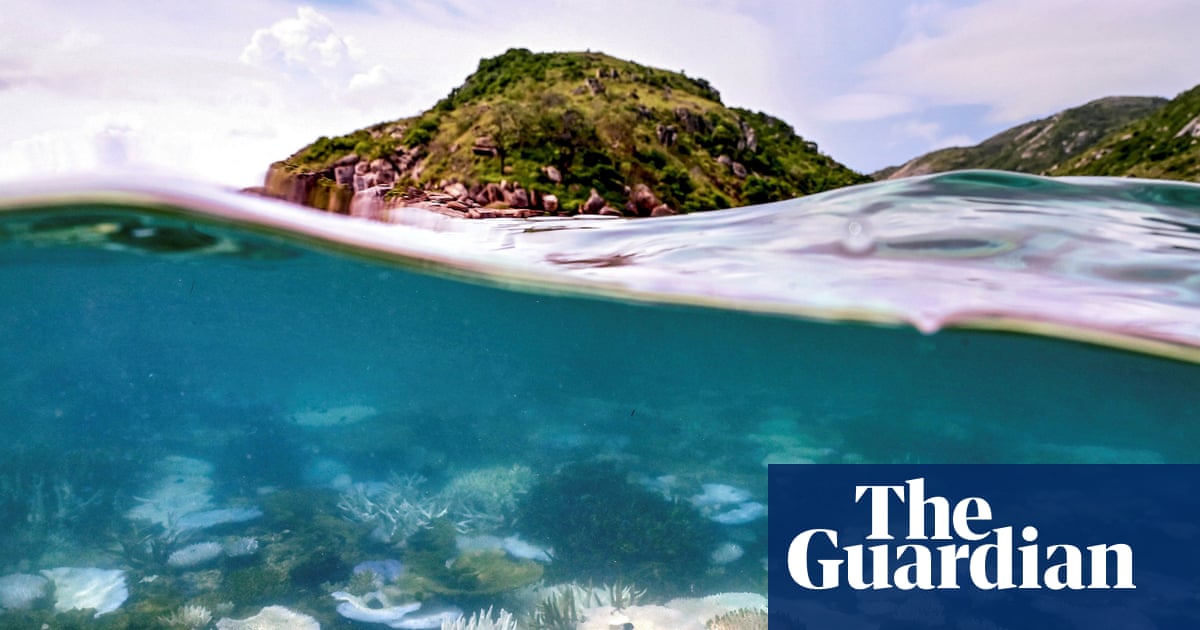
“Right now, our people are losing their lives and livelihoods from storms of unprecedented strength which are being powered by warming seas. Our coral reefs, the lifeblood of our islands’ food systems, culture and economies are at a tipping point in dieback. Forest ecosystems are at a tipping point. The window to protect lives and economies is closing.”
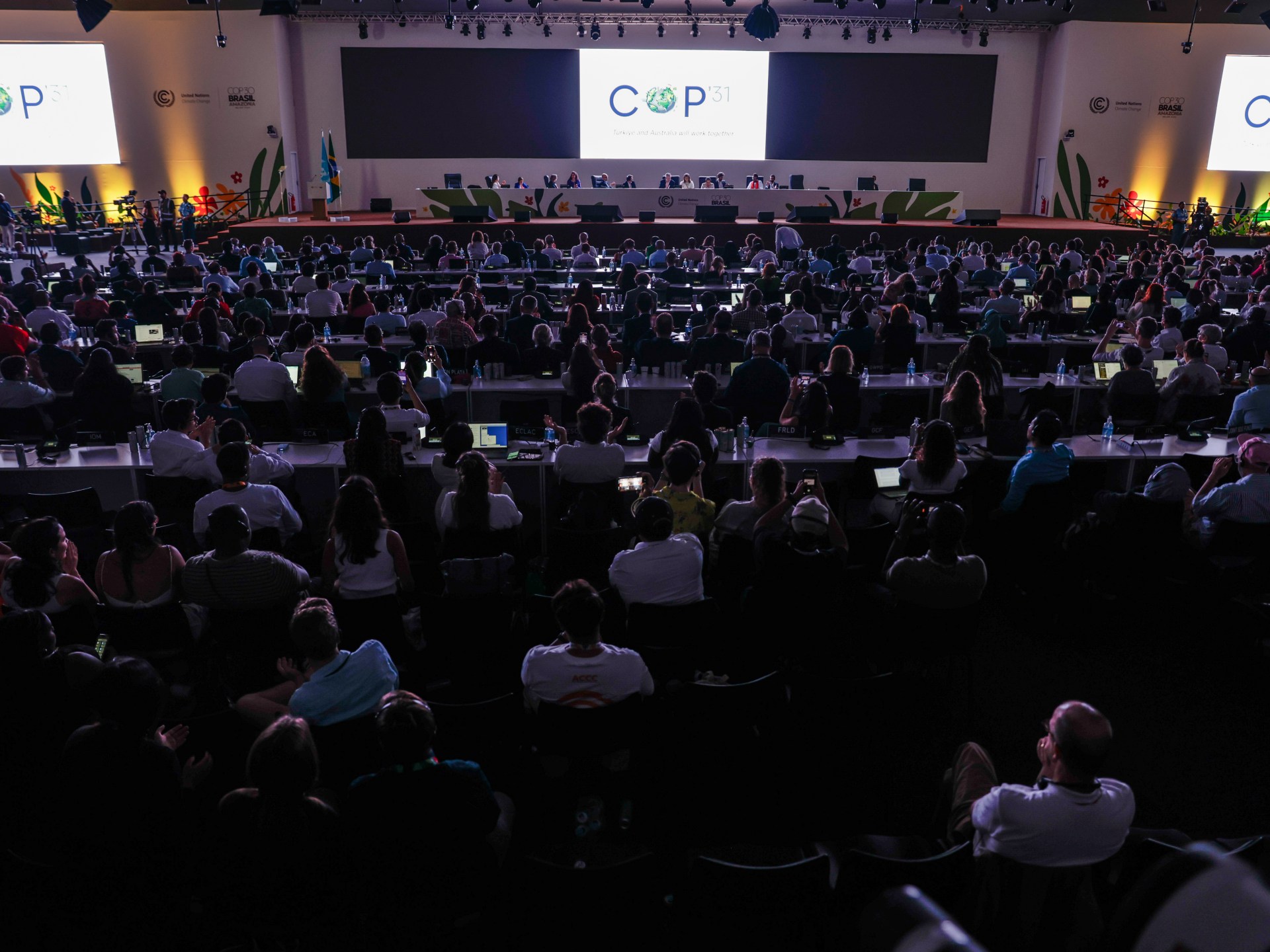
While 194 countries argued for more than 12 hours on Friday night over the final details of what should be voluntary and what should be a legally binding commitment as the Cop30 UN climate summit drew to a close, Steven Victor, the environment minister of Palau, tried to remind them of what they were fighting for: people’s lives.
“We are dangerously close to a 1.5C global warming overshoot, driven by the actions of bigger countries,” he said. “Unless we choose the path of course correction right here and now, leaders are dooming our world to disaster.”
The outcome of the Cop30 climate summit will be measured not in the abstractions of “shall”, “should” and “agree to” that are the substance of the more than 150 pages of text gavelled through on the podium, but in lives. Developing countries are looking forward to a tripling of the finance to help them adapt to extreme weather – measures such as regrowing mangrove swamps, erecting flood defences, growing new crops or storing water against drought – but that language is couched in ambiguous terms. It “calls for efforts to at least triple adaptation finance”.