SÉVERIN MILLET
T
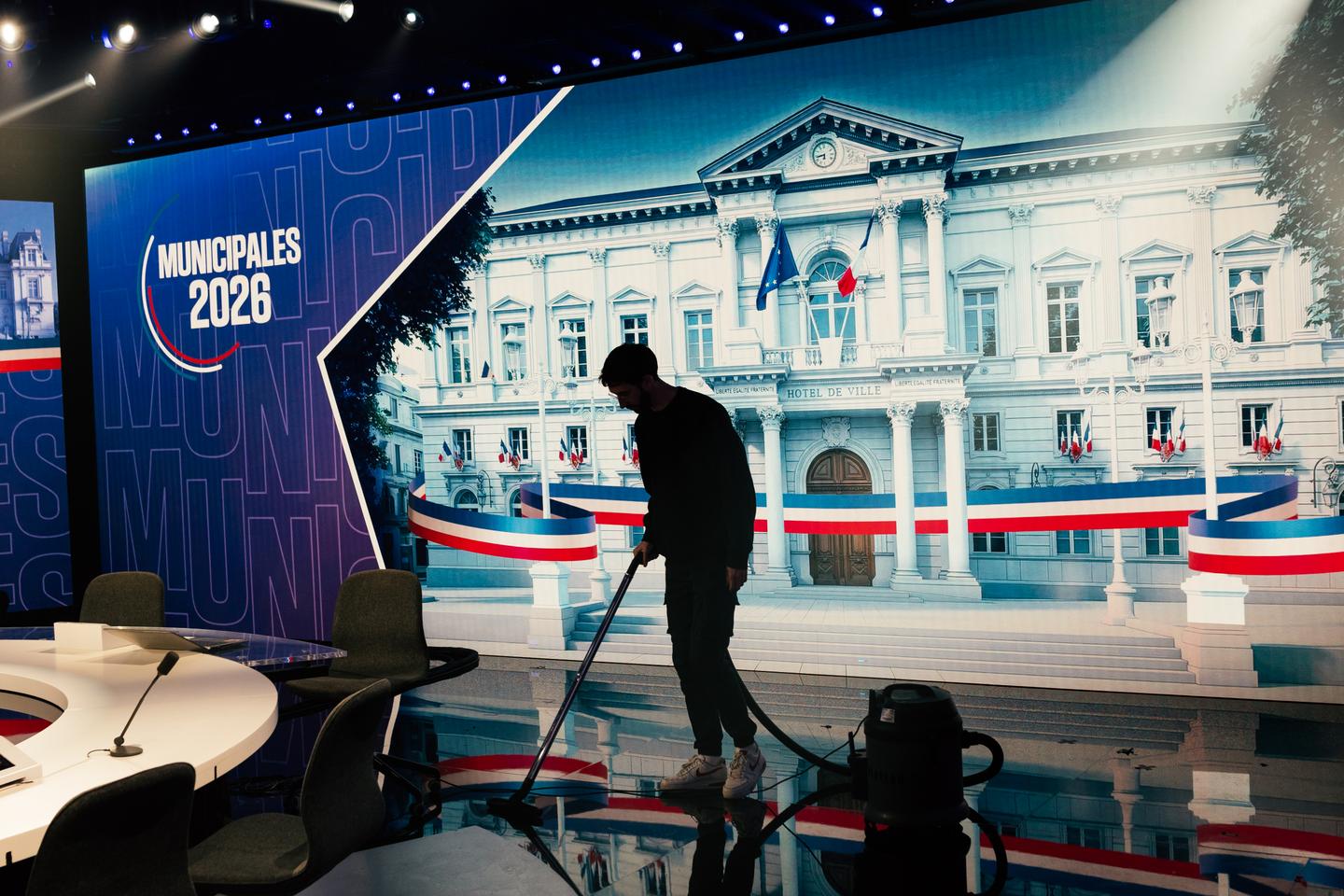
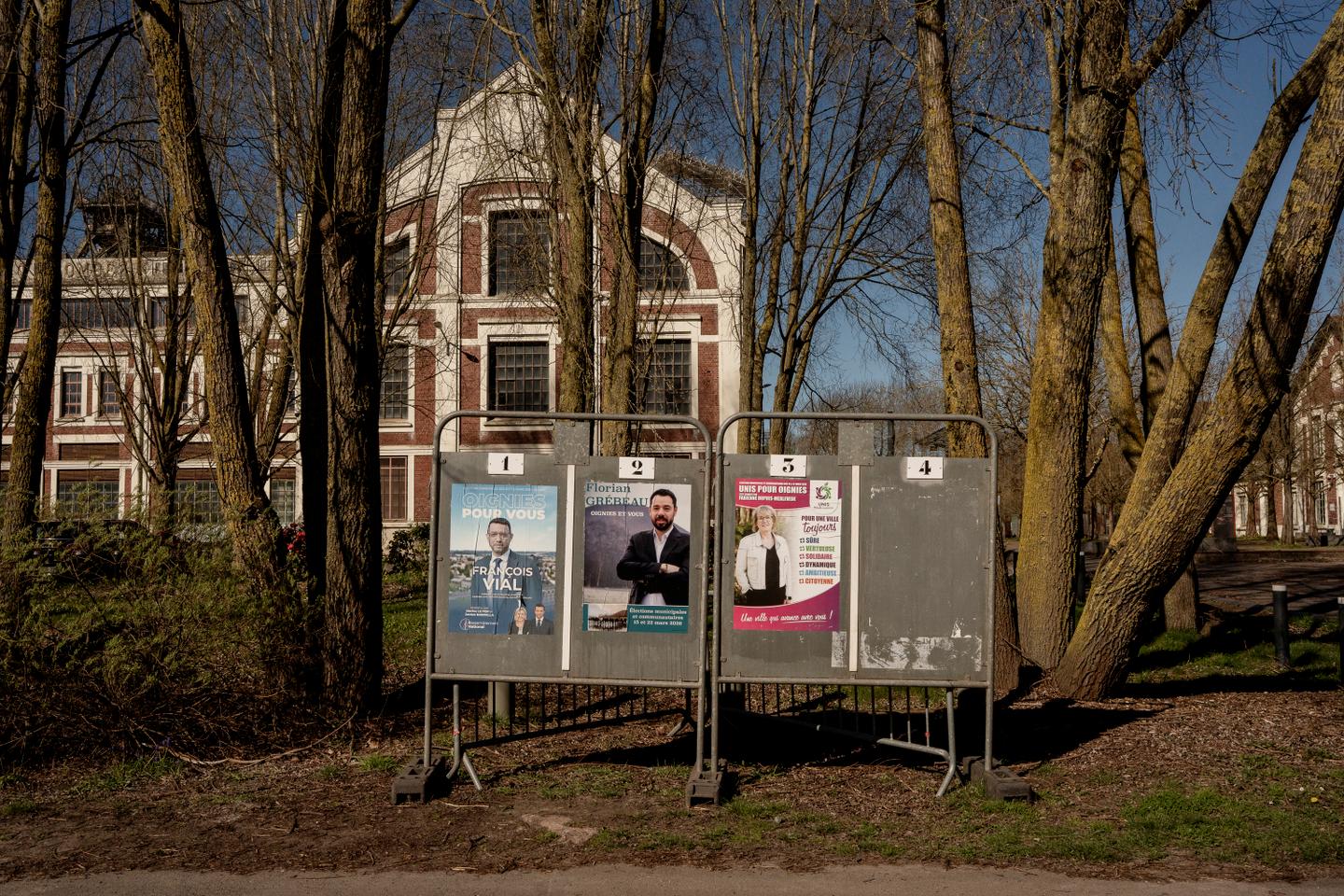
here's a poll for everything. Four months before France's municipal elections (March 15 and 22, 2026), political actors are turning to local public opinion surveys to identify the best candidates in cities and to drum up political alliances. For the 2027 presidential election, polls testing candidates have also proliferated since 2024, despite the fact that the precise list of contenders remains highly uncertain. In October, France's national polling commission recorded 12 published electoral polls on the municipal elections – eight of which were commissioned by stakeholders involved in the races (incumbent city halls, candidates, parties) – as well as six polls on the parliamentary elections and two on the presidential race.
Widely used by politicians, polling has "become entirely commonplace, serving both as a complement to nominations secured through party mechanisms and as a competing means to party rules. In any case, candidates can hardly imagine foregoing the blessing of the polls anymore," wrote the academic Alain Garrigou in 2006 in L'Ivresse des sondages ("The Intoxication of Polls"). That observation remains just as relevant today, if not more. The current period seems ripe for a resurgence in polling. In March, the polling commission noted a "rise in the number of polls on local political climates, records, and projects." The trend "suggests that such polls are taking on a more overtly electoral dimension as the 2026 municipal elections approach," the commission wrote.