SARAJEVO/BRCKO: Franjo Sola remembers November 21, 1995, as the best day of his life, when a US-brokered peace deal ended war in Bosnia and allowed him to leave the army and return to his studies at Sarajevo University.
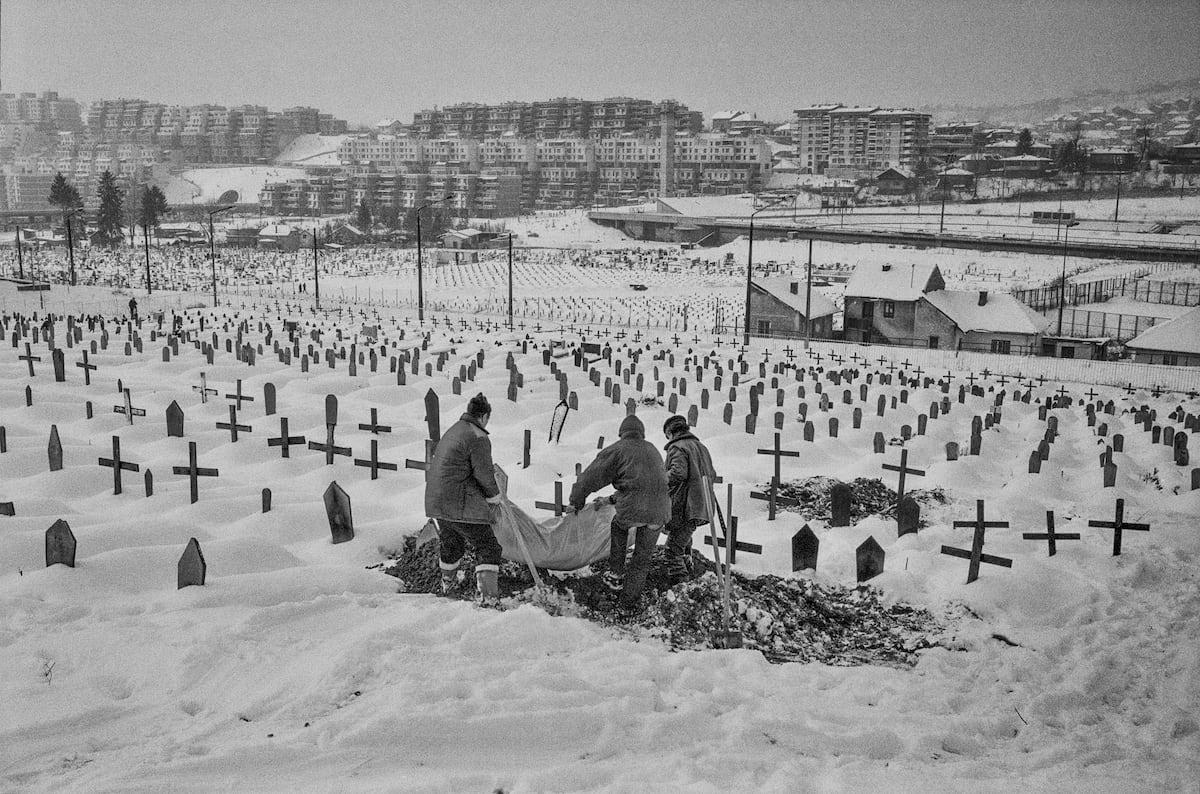
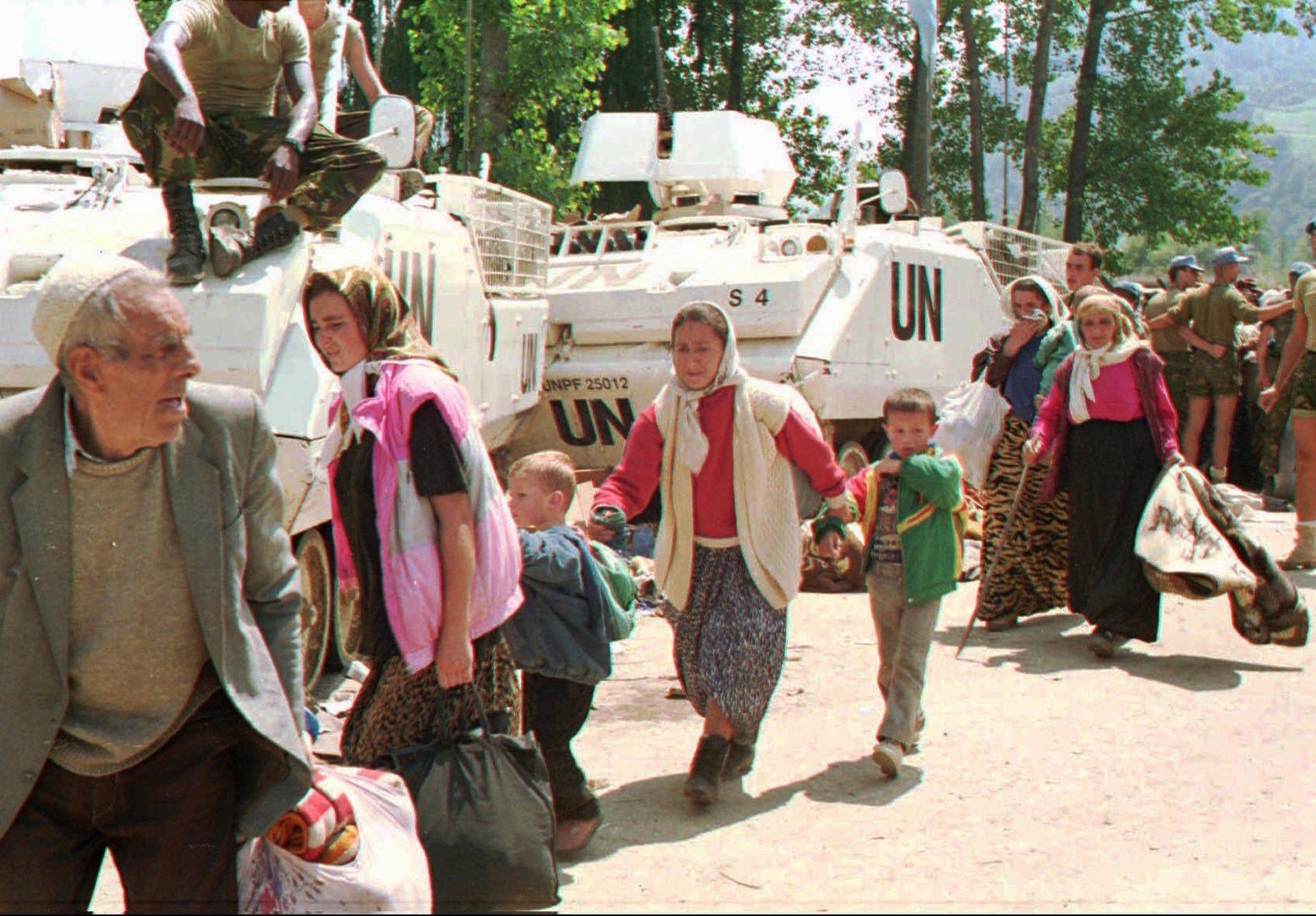
“I swore to myself that I will celebrate it as my second birthday,” Sola said this week as the Balkan country marks the 30th anniversary of the Dayton peace accord that halted an ethnic conflict between Serbs, Croats and Bosniaks that killed some 100,000 people after Bosnia declared independence from Yugoslavia.
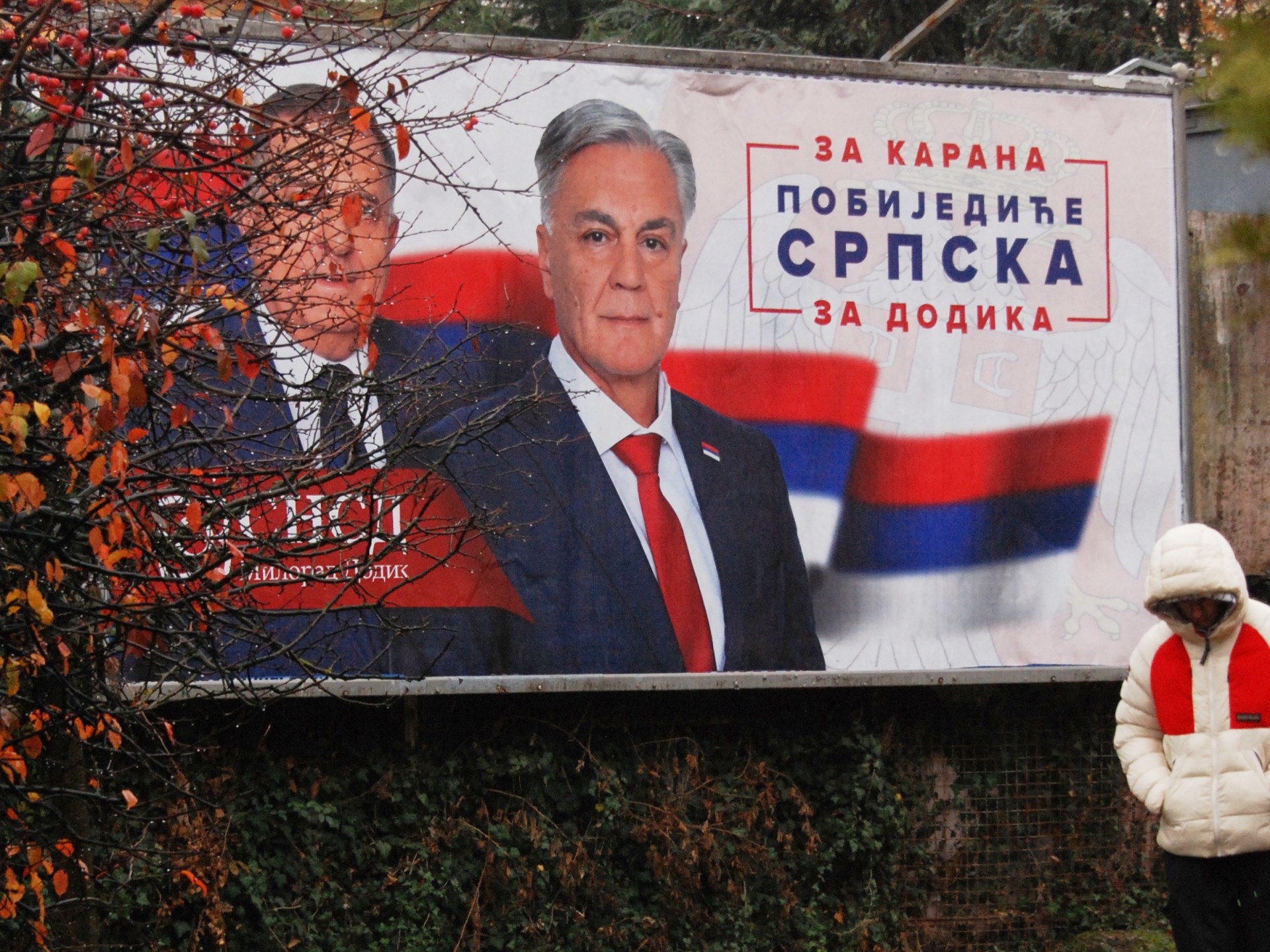
Since then, however, Sola’s optimism has faded. While the deal has maintained peace, Bosnia and Herzegovina remains divided along ethnic lines, its two regions barely held together by a weak umbrella government. Peace has failed to bring prosperity, and hundreds of thousands of young people — including Sola’s son — are estimated to have left in search of better prospects abroad.
“Dayton was good to stop the war but...it was not good for the development of the country,” said Sola, who works as a technical expert for EUFOR, the EU peacekeeping mission that remains in the country to oversee the implementation of the peace deal.
“It should be revised, the country cannot function like this anymore.”