https://arab.news/y3b43
The 30th anniversary of one of the most consequential diplomatic achievements since the end of the Cold War was marked this month. On Nov. 21, 1995, at a secluded US airbase outside Dayton, Ohio, three leaders — Alija Izetbegovic, president of Bosnia and Herzegovina; Franjo Tudjman, president of Croatia; and Slobodan Milosevic, president of Serbia — initialed an agreement that brought an end to the bloody three-year Bosnian War.
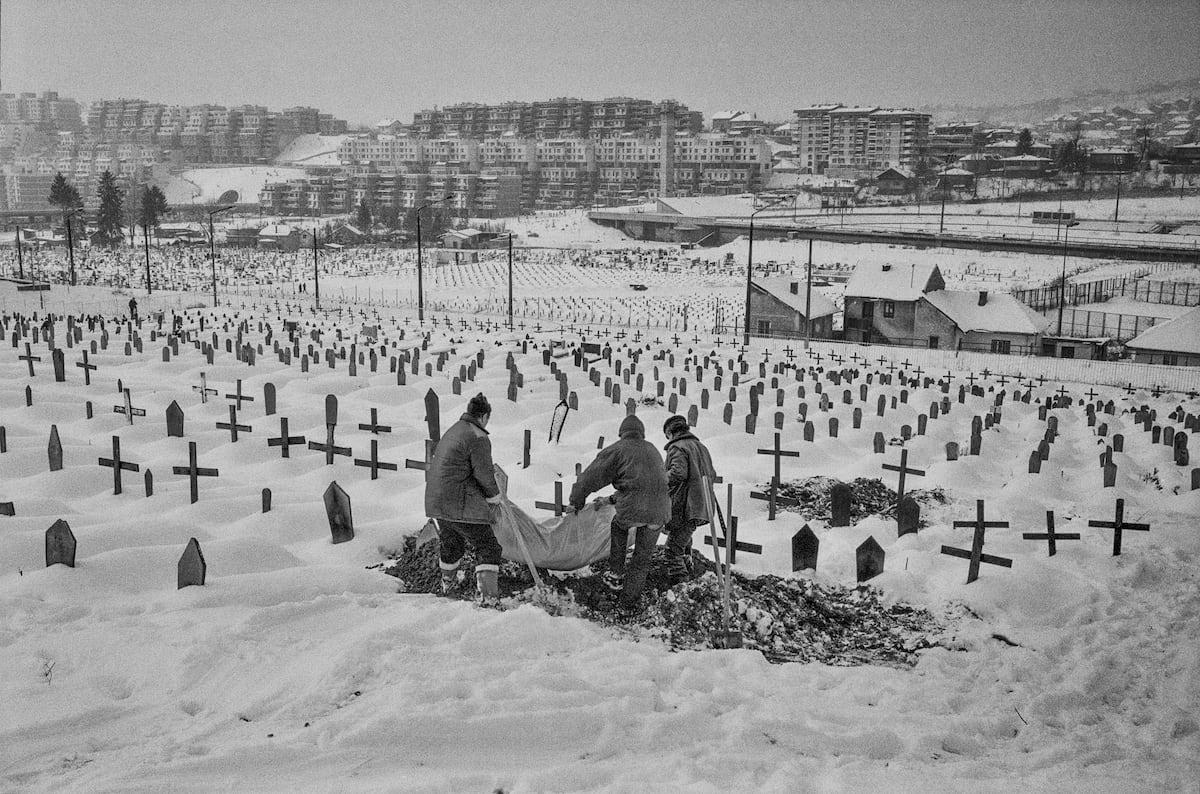
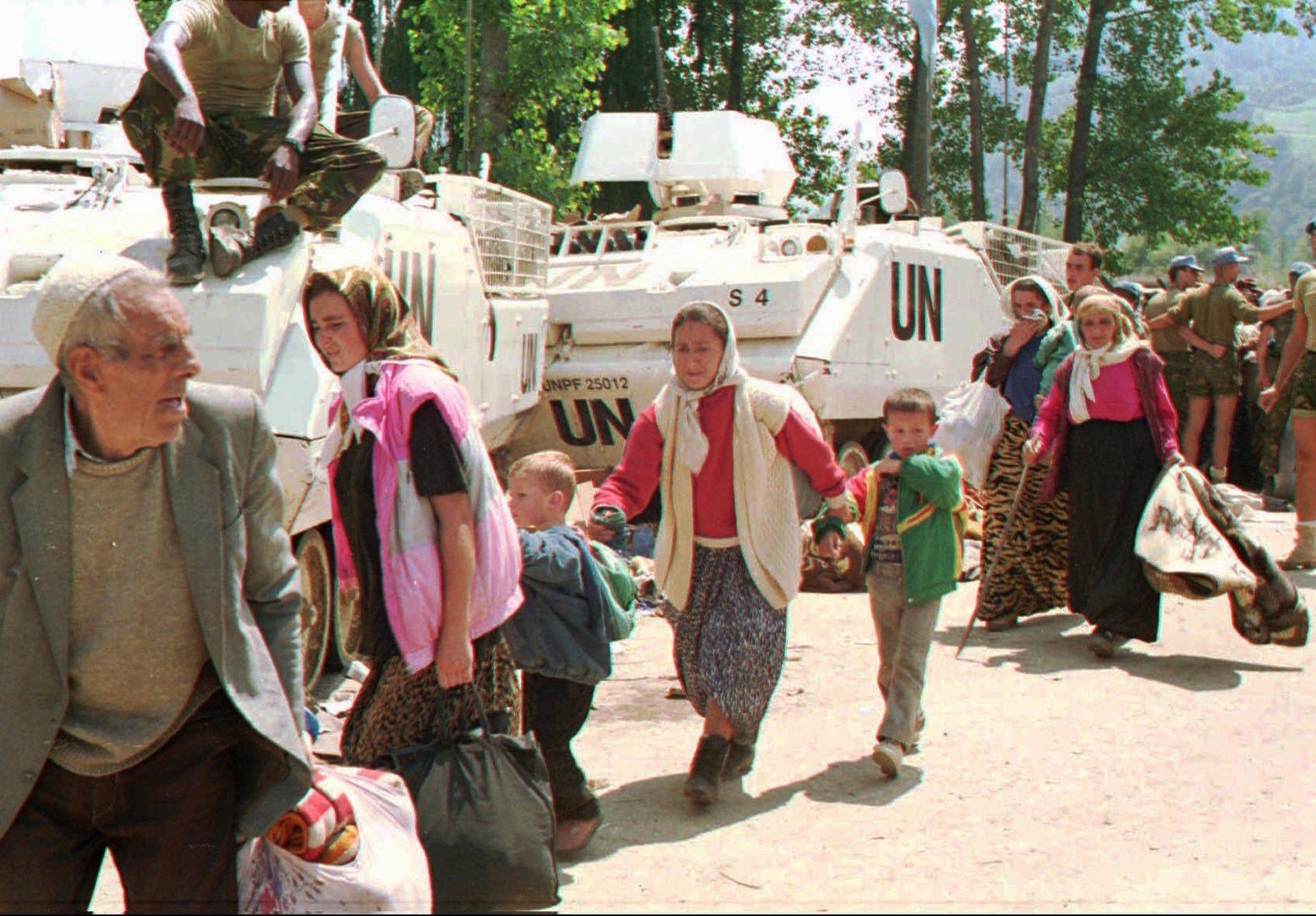
Bosnia and Herzegovina emerged from the breakup of Yugoslavia in the 1990s, which began a brutal interreligious and interethnic sectarian war in 1992. Ethnic Serb factions’ targeting of the Bosnian Muslim population, commonly referred to as Bosniaks, accounted for the vast majority of the 100,000 people killed during the conflict. The best-known example of this was the Srebrenica genocide in July 1995, in which Serb fighters murdered more than 8,000 Bosniak men and boys. An estimated 30,000 women and girls were displaced and, in some cases, sexually abused.
But on that day in November 1995, the fighting stopped. The Dayton Agreement is still considered a major diplomatic success and is often cited as a model of how effective diplomacy can produce real results on the ground. Not only did it end the fighting, it also kept Bosnia and Herzegovina as a single state by reorganizing the country into two substate entities: the Federation of Bosnia and Herzegovina, largely Bosniak and Croat, and Republika Srpska, largely Serb.