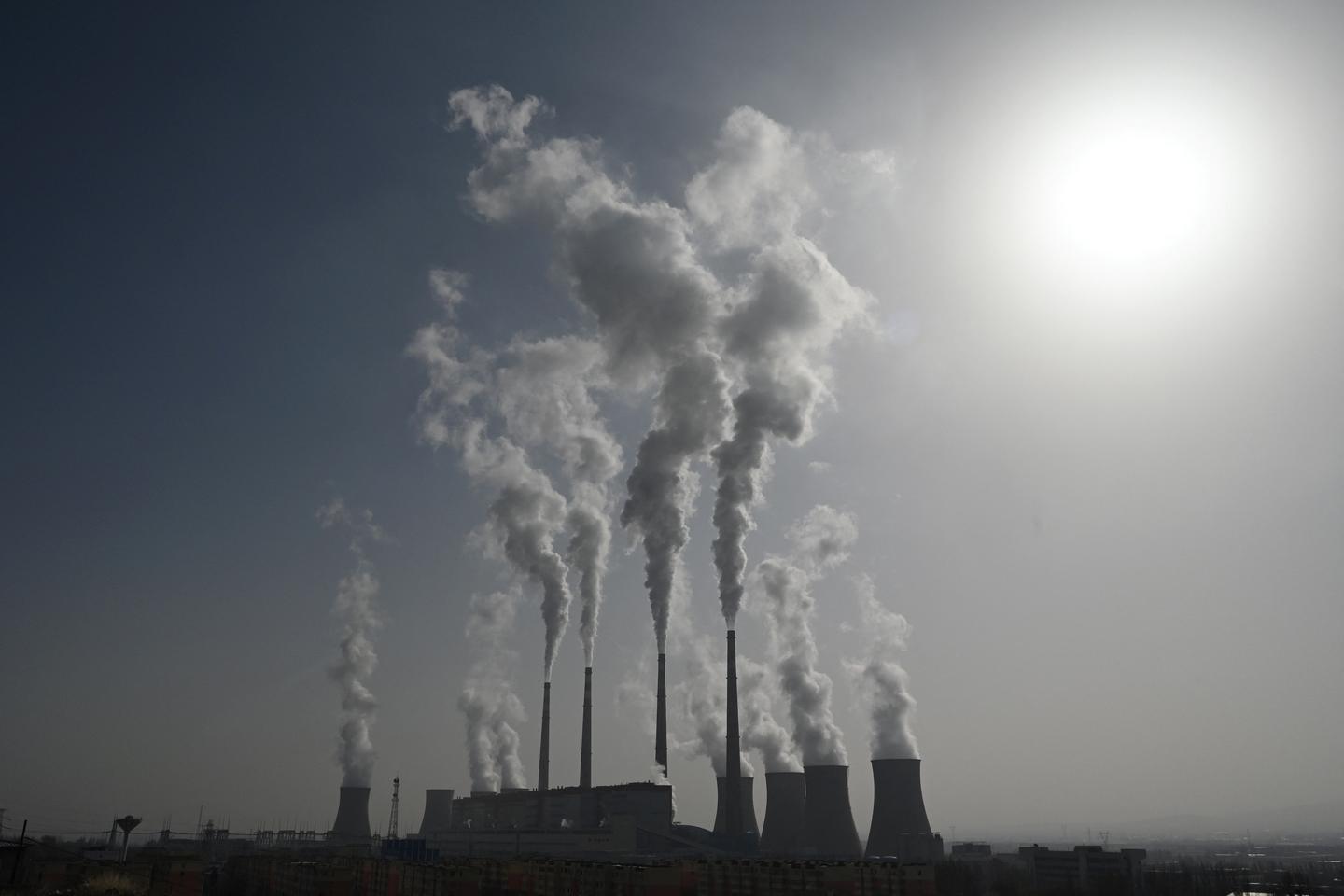
The Datang International Zhangjiakou coal-fired power plant in northern China, November 15, 2021. GREG BAKER / AFP
This is the fastest and least expensive lever, in the short term, for curbing the climate crisis. Yet countries have still not managed to activate it. The 30th World Climate Conference (COP30), held in Belem, Brazil, saw only tentative progress on the issue of methane (CH4). Only a handful of countries made voluntary commitments to tackle this powerful greenhouse gas, despite being responsible for nearly a third of global warming since pre-industrial times.
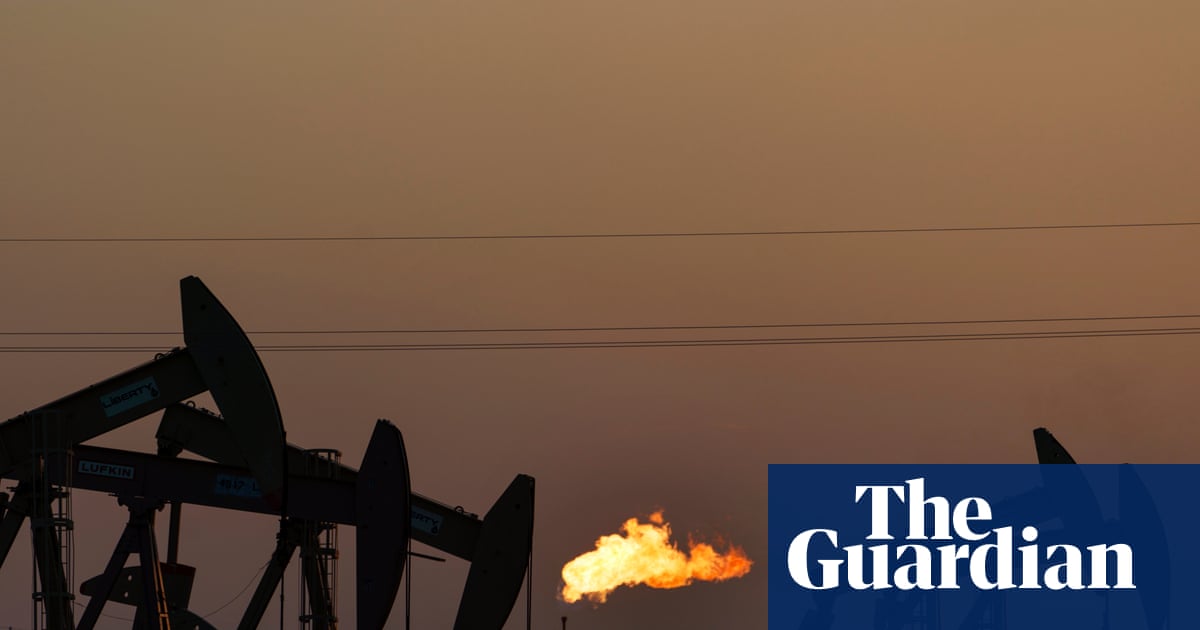
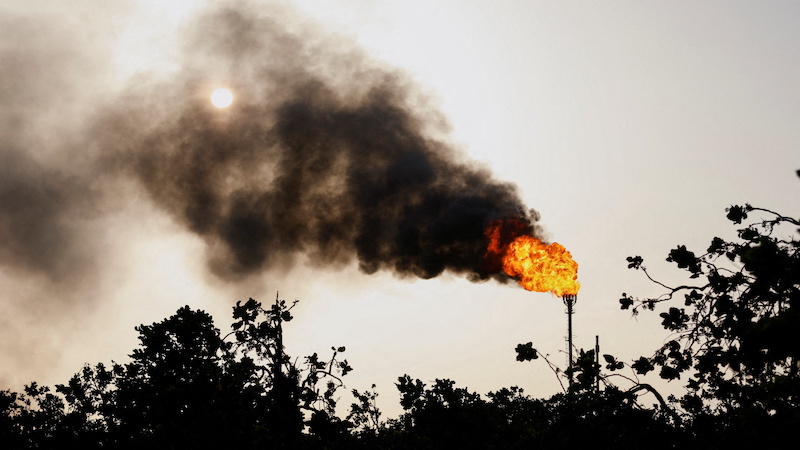
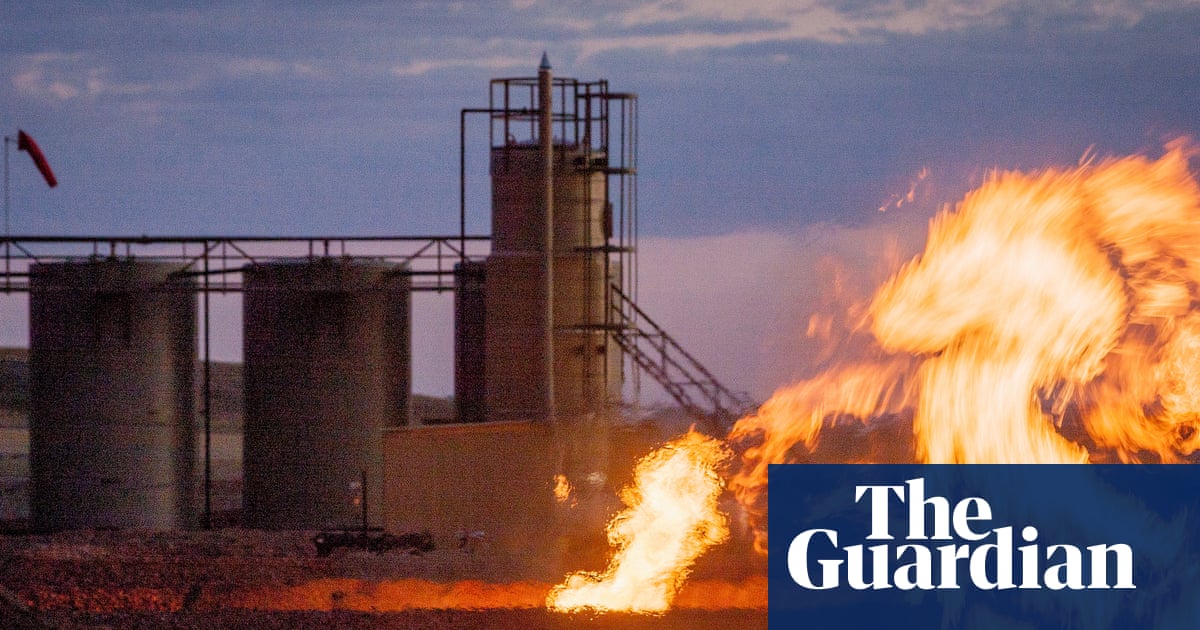
Following two ministerial meetings, a coalition of about 10 members, including France, the United Kingdom, Japan, Kazakhstan and Norway, pledged to "significantly reduce" methane emissions in the fossil fuel sector (coal, oil and gas). The plan is to end routine flaring and venting by 2030. Brazil and the UK also called for "more efficient" use of fertilizers, another source of CH4.
Seven developing countries, including Brazil, Kazakhstan, Nigeria and South Africa, will receive a total of $25 million (€21.5 million) to set up, within their governments, teams tasked with tackling "super-pollutants." The project was spearheaded by the Climate and Clean Air Coalition (CCAC, a partnership of 200 governments and organizations linked to the United Nations Environment Programme [UNEP]). CCAC hopes to help 30 countries by 2030.