Ending use of coal, oil and gas is essential in tackling climate crisis – but even talking about it is controversial
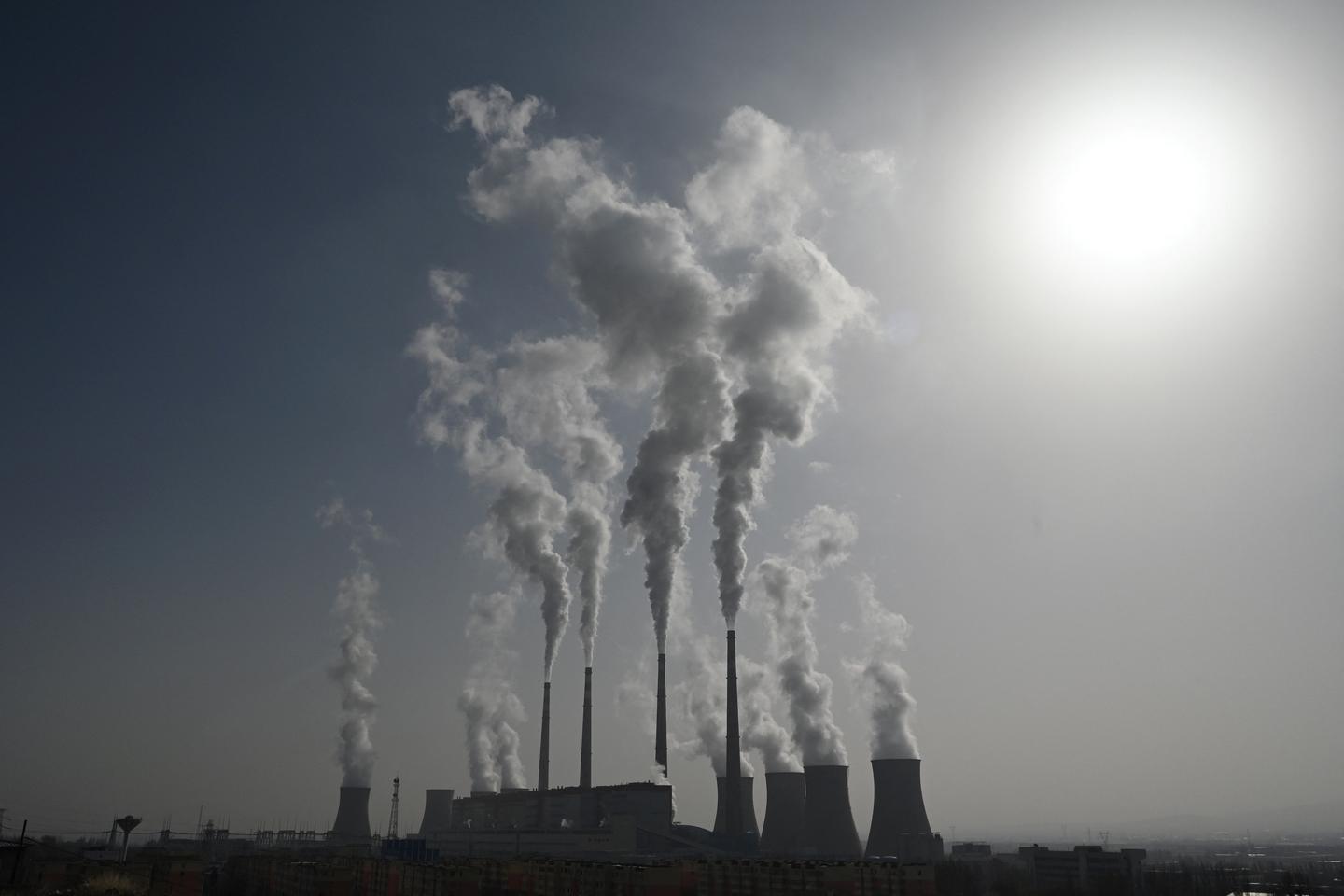
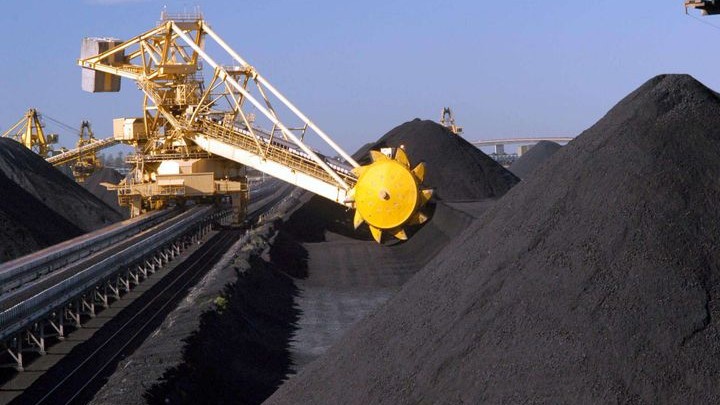
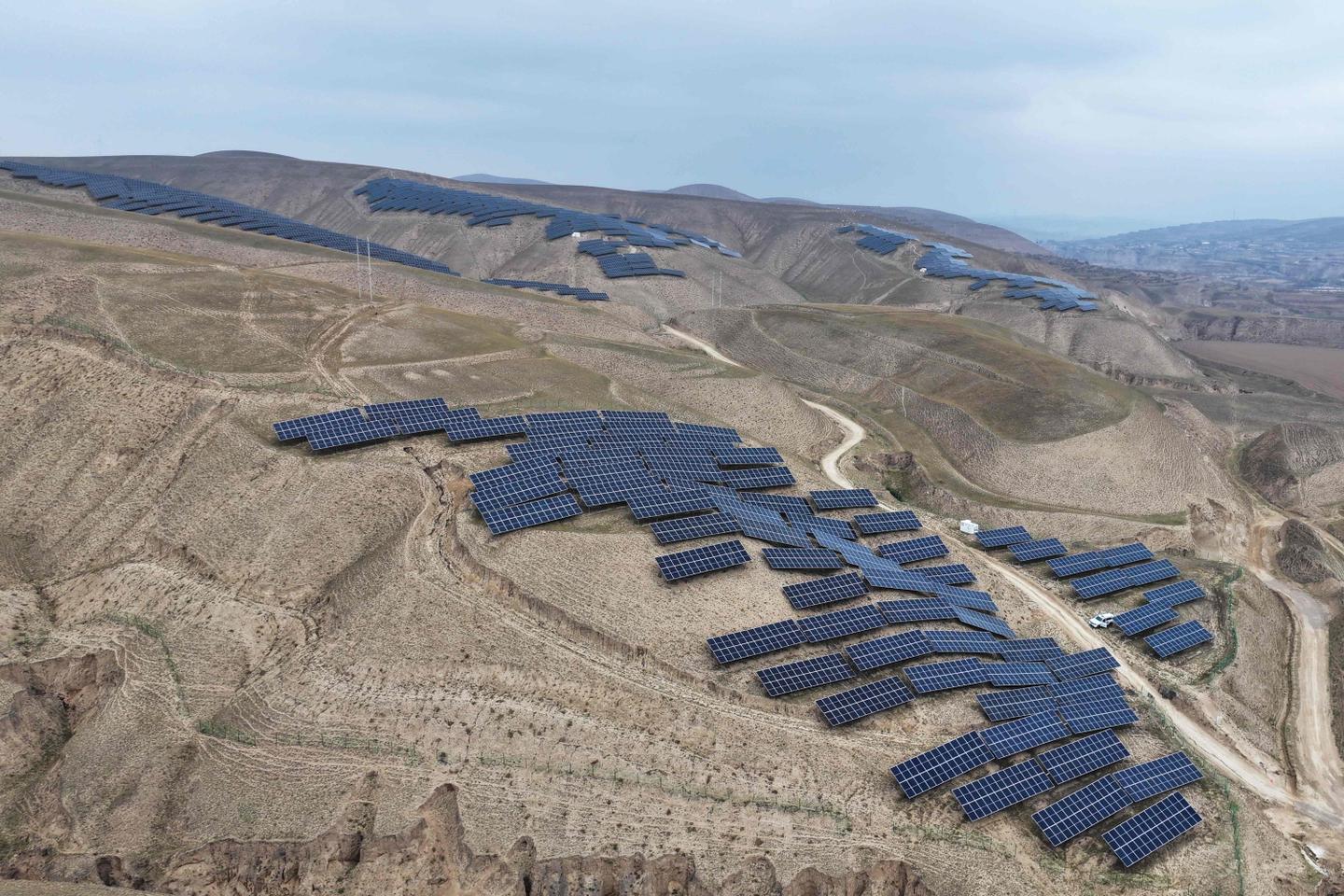
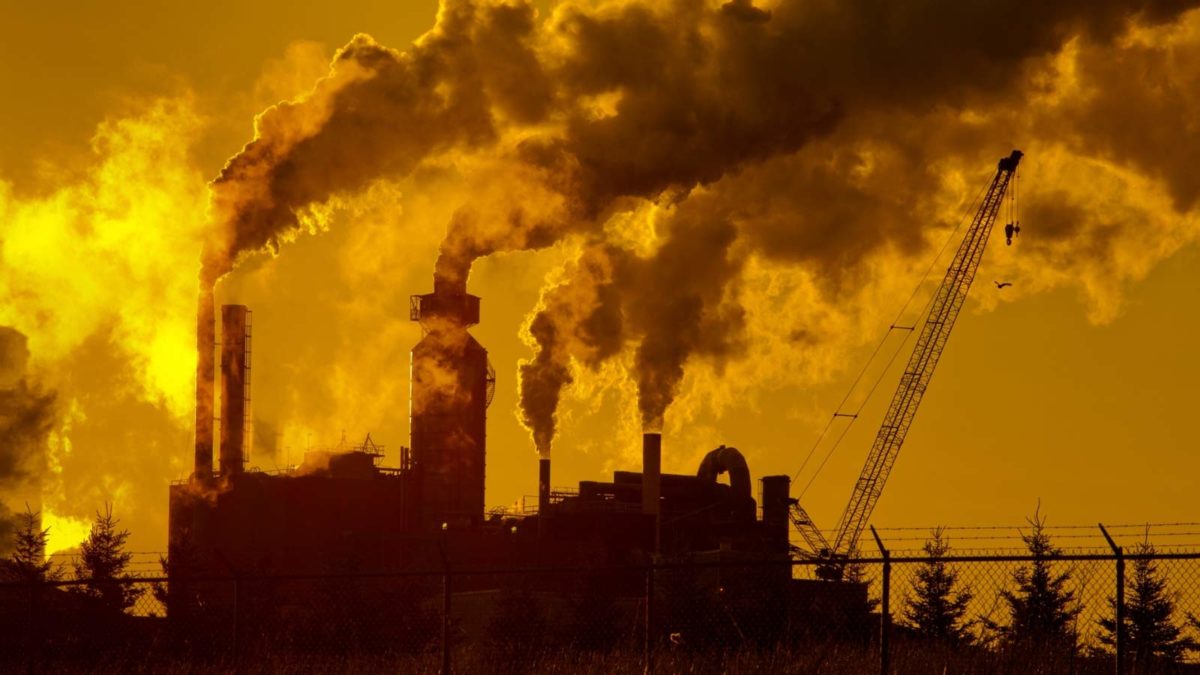
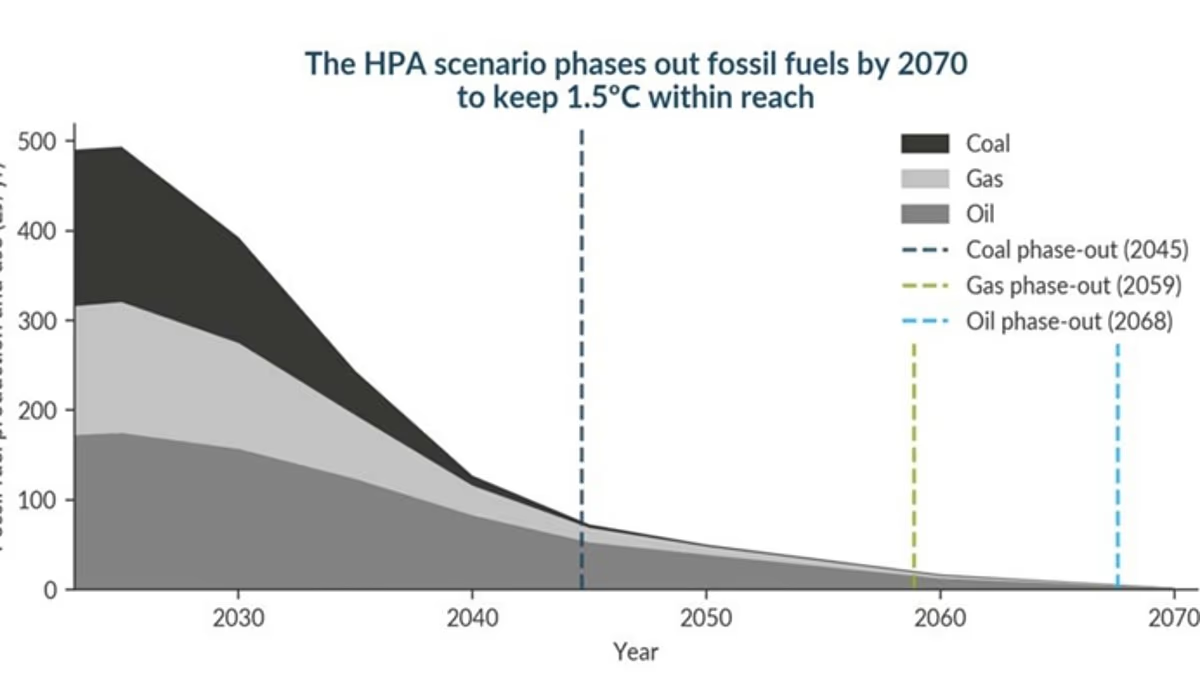
Coal, oil and gas are at the heart of the climate crisis: burning them produces carbon dioxide, and that is heating the planet, so far to 1.5C above preindustrial levels, and in future perhaps to more than 2.5C, a level that would lead to widespread and irreversible damage. Only by ending the use of fossil fuels can we hope to halt the upward march of temperatures, and recover a livable climate. But modern economies have grown rich on 200 years of fossil fuel use, and until recently – in the past 20 years, when advances in wind and solar power and electric vehicles made possible societies based on renewable energy – there was little alternative.
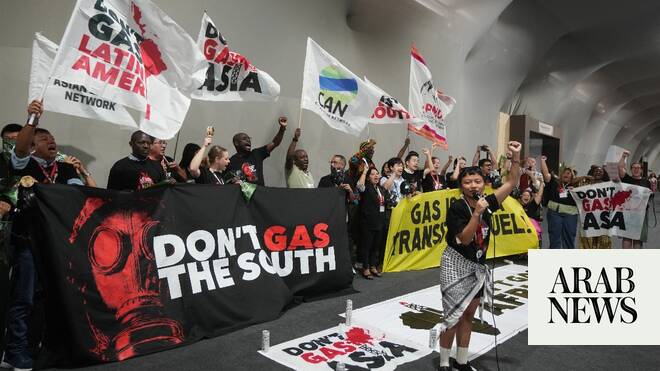
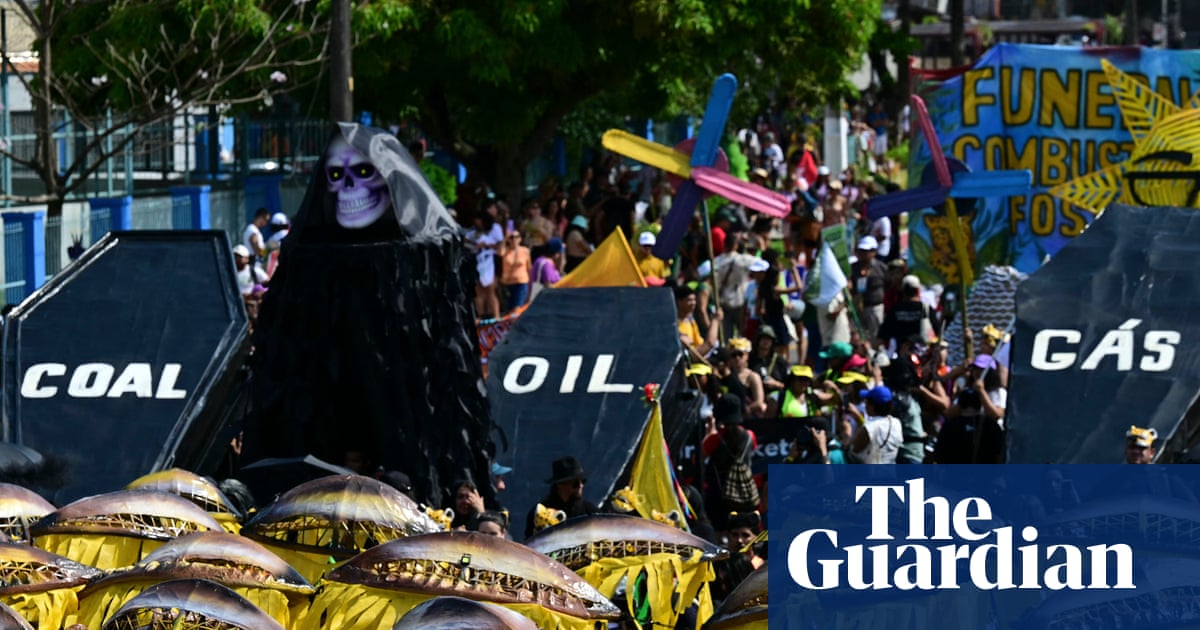
For more than 30 years, since “conference of the parties” meetings have been happening under the 1992 UN framework convention on climate change, fossil fuels have been the “elephant in the room”. The strength of the UNFCCC is that it includes every country, bar a few failed states (even the US, which has withdrawn from the Paris agreement and sent no delegate to Cop30, remains a signatory to the parent treaty). But that is also its weakness – to achieve universality, petrostates such as Saudi Arabia, Qatar and Russia were given an equal place at the table with all other nations. They used this to effectively veto any real discussion of fossil fuels, in favour of a focus on “greenhouse gas emissions” (which can also come from deforestation, agriculture and industrial sources, though these account for far less of the global emissions total than fossil fuels).