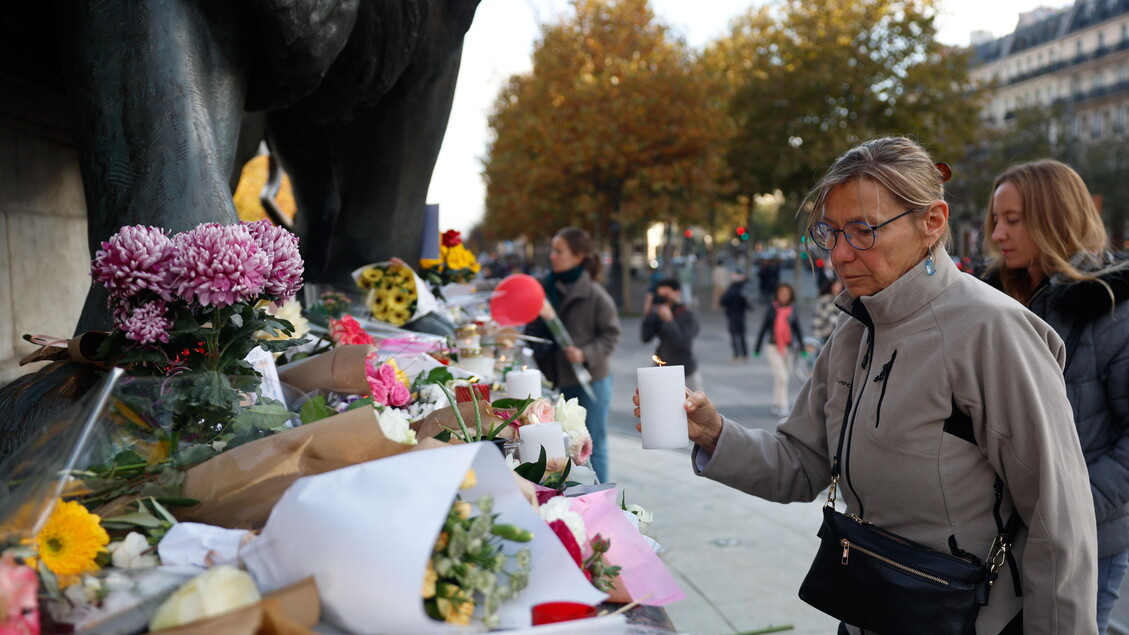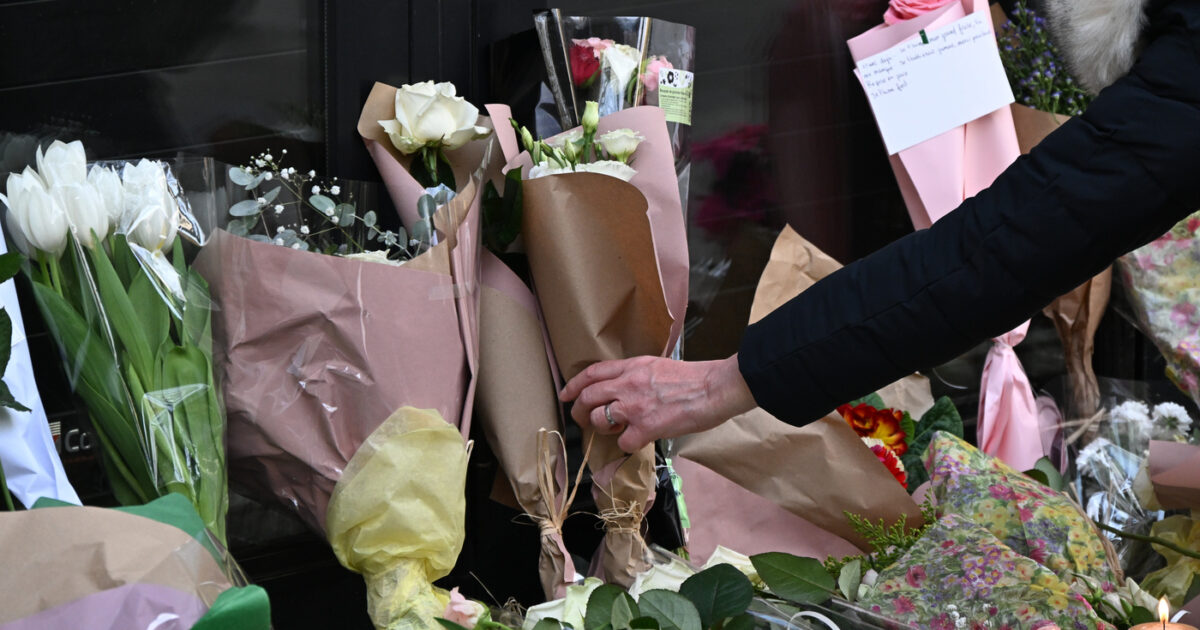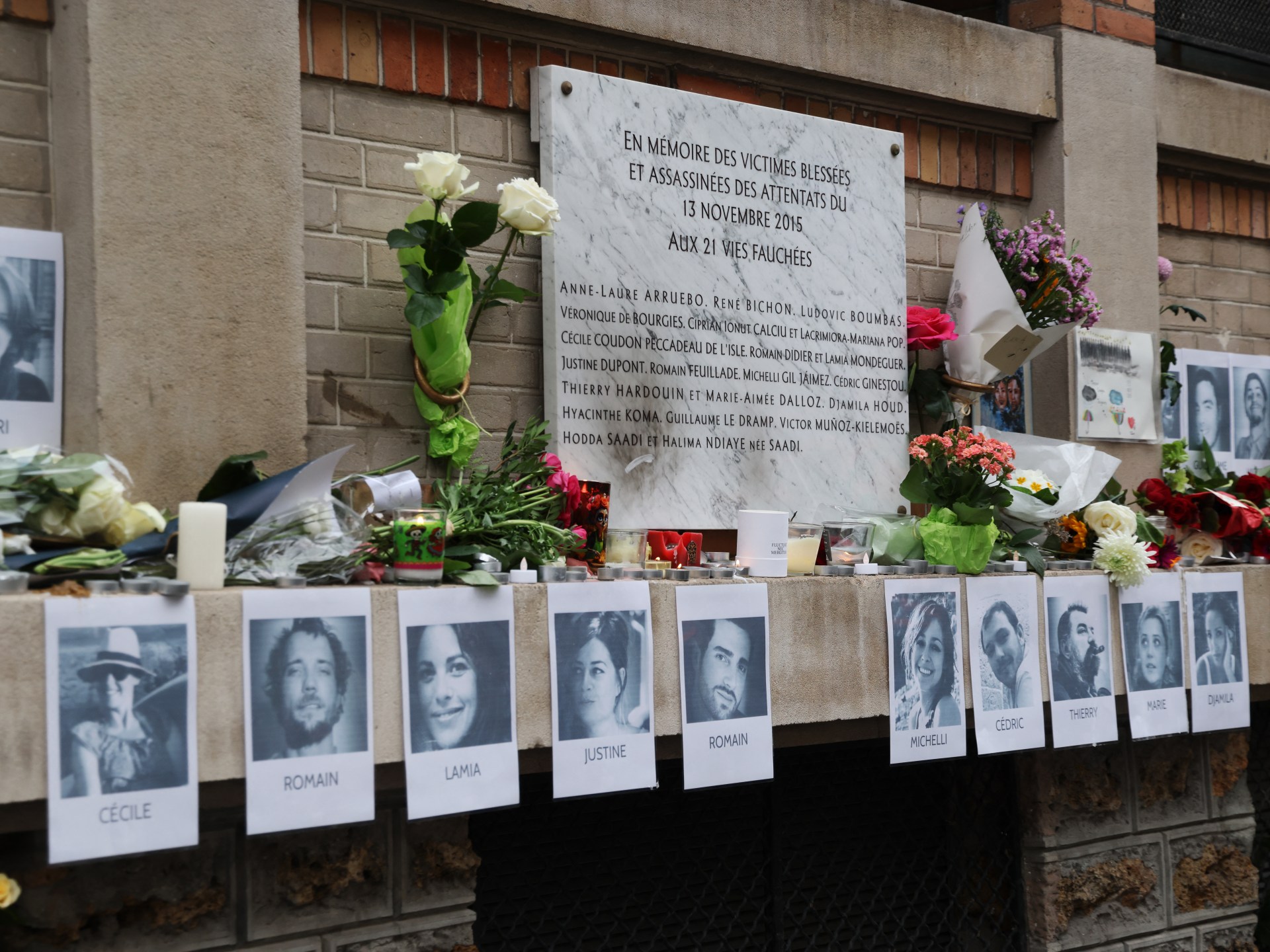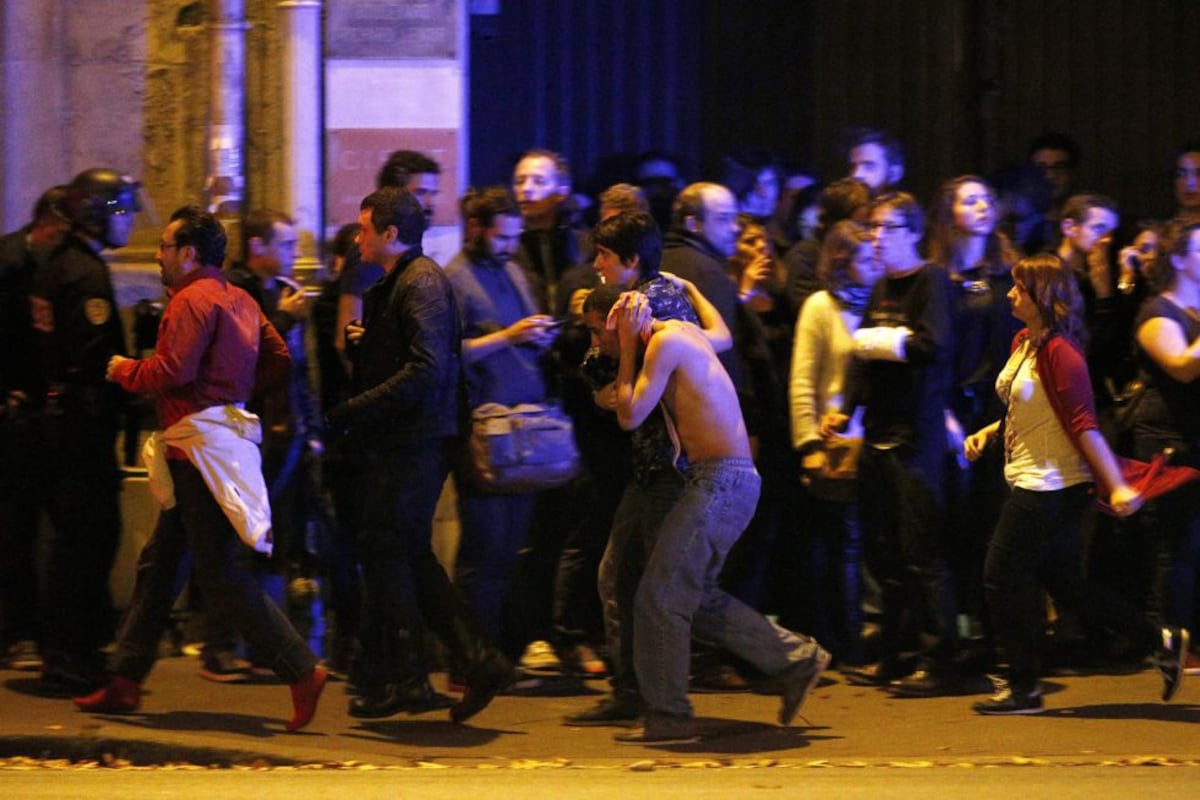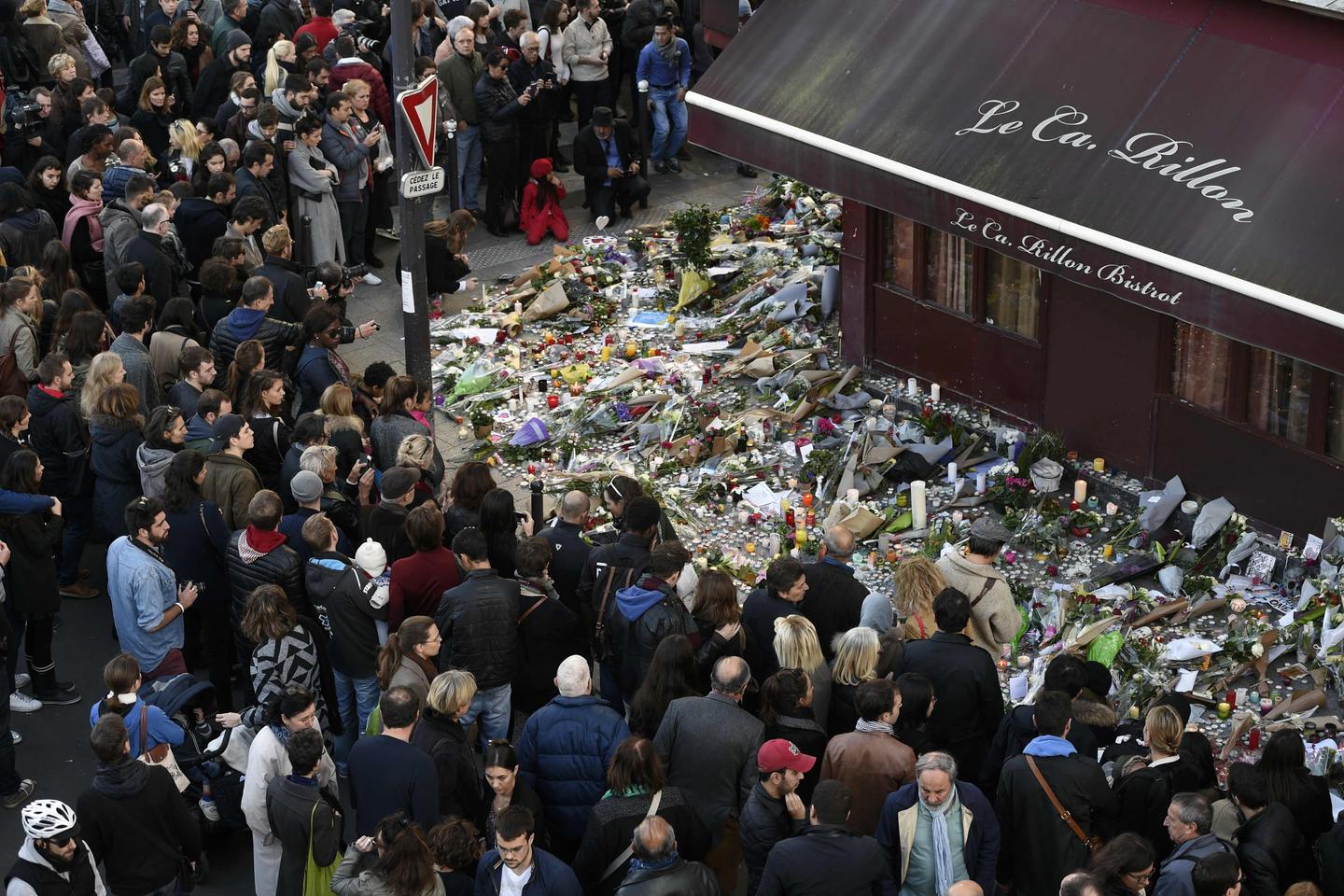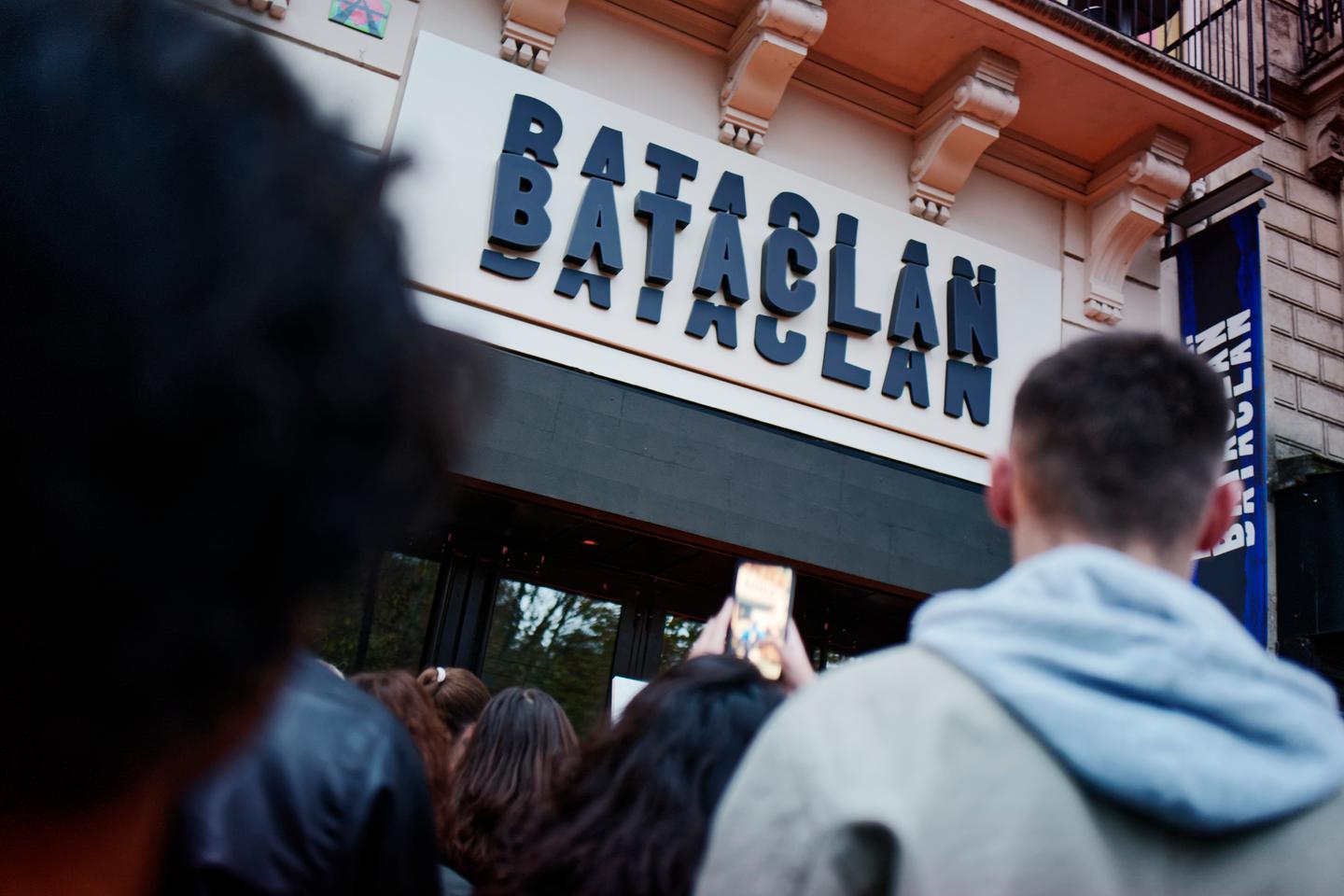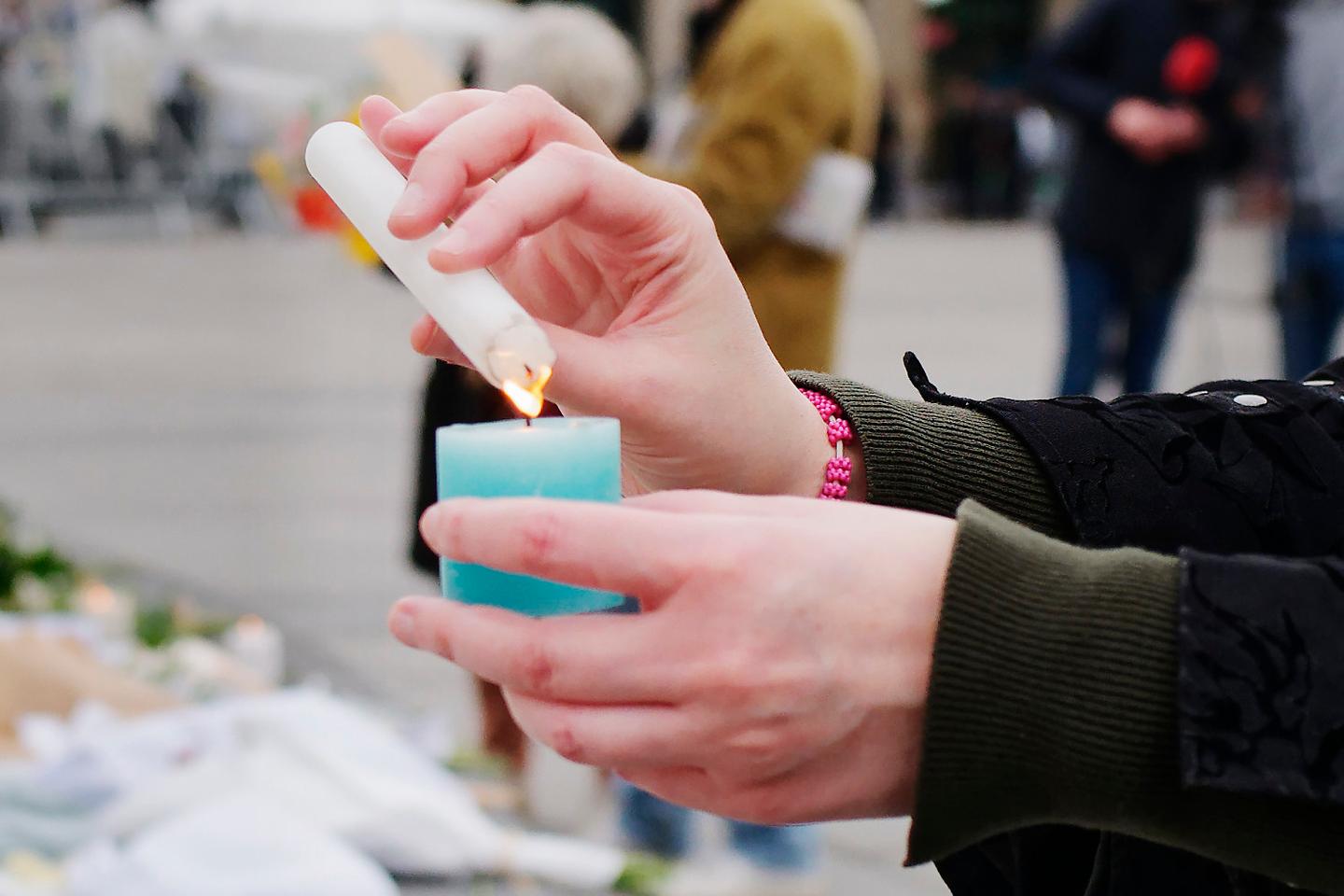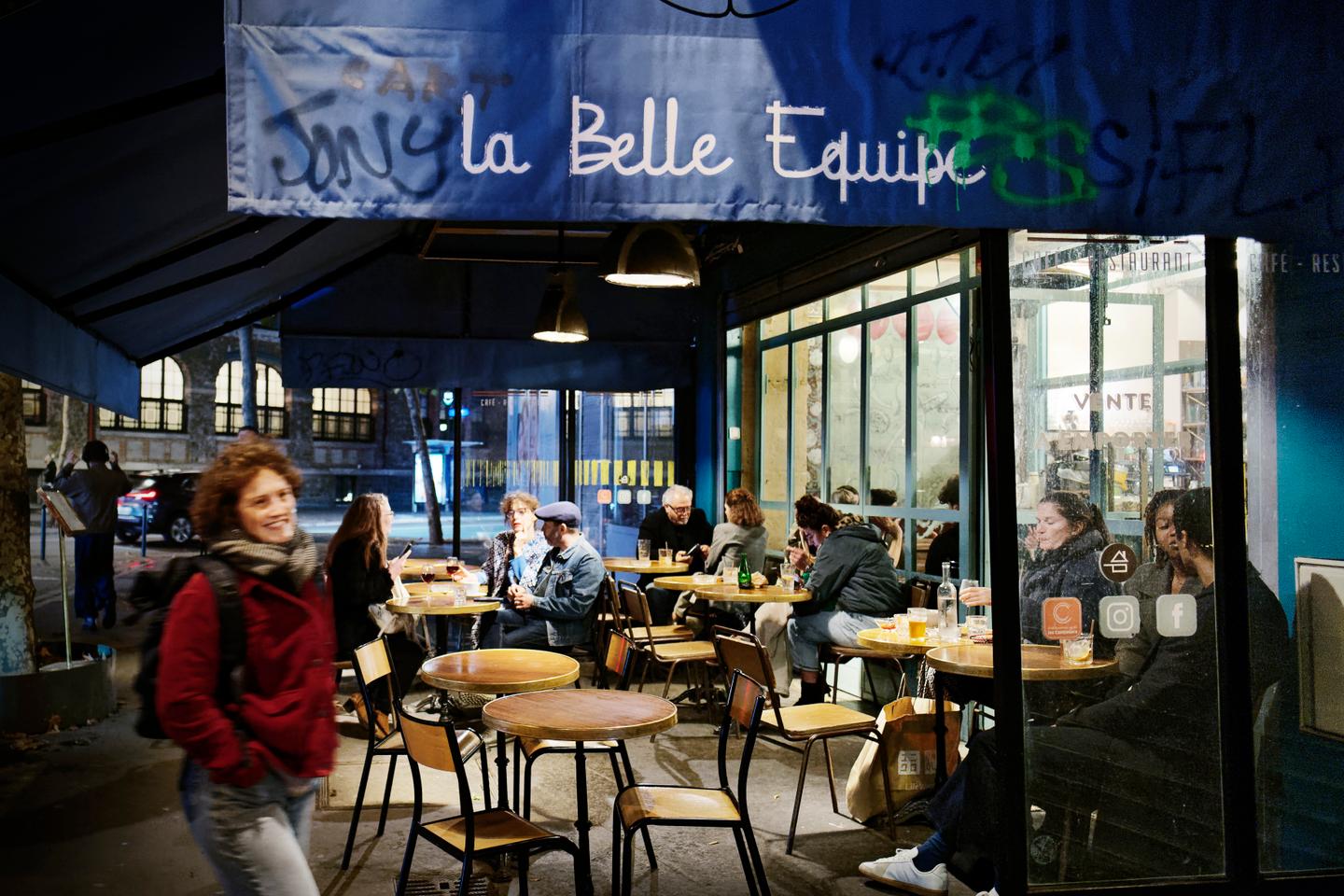
La Belle Equipe, one of the restaurants targeted during the November 13 attacks, in Paris, November 8, 2025. CAMILLE GHARBI FOR LE MONDE
Ten days after the November 13 attacks, Ernest Hemingway's book A Moveable Feast (1964) was sold out. On November 20, 2015, a spokesperson for Gallimard, one of the largest publishers in France, announced that sales had multiplied by 50 in just a few days, and then by 150. The publisher was forced to rush thousands of reprints. The capital was losing no time reclaiming its credentials as the City of Light in the wake of terror's darkness.
By the Sunday following the attacks, Parisian café terraces were once again packed, and customers at tables shared photos on social media with hashtags like #JeSuisEnTerrasse ("I'm at a terrace"), #TousAuBistrot ("Everyone to the bistro") and #OccupyTerrasse. A decade later, no one doubts that while the city of Paris can be struck by murderous waves, it never sinks.
On the contrary, rarely has France's largest city enjoyed the international aura it has today. In July, Frédéric Hocquard, the Paris mayor's deputy for tourism and nightlife, even warned of a risk of "saturation" and "gridlock" as 35 to 40 million tourists flock to the capital each year. Ten years ago, a terrorist unit aspired to annihilate Parisian life. Instead, they put Paris back in the center of the world.