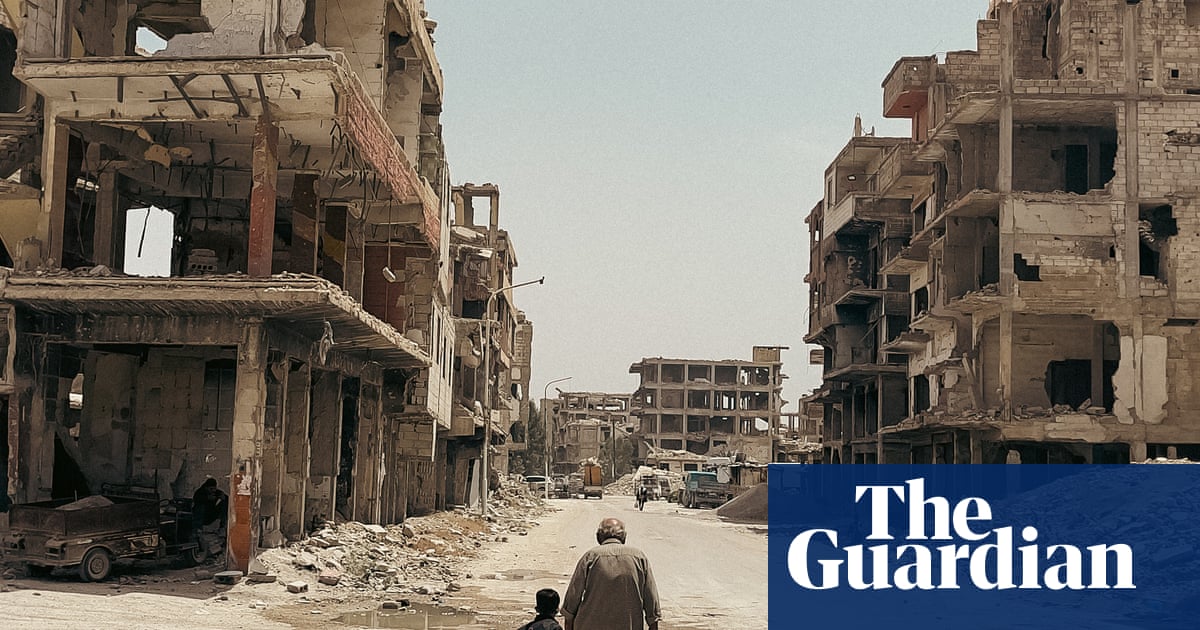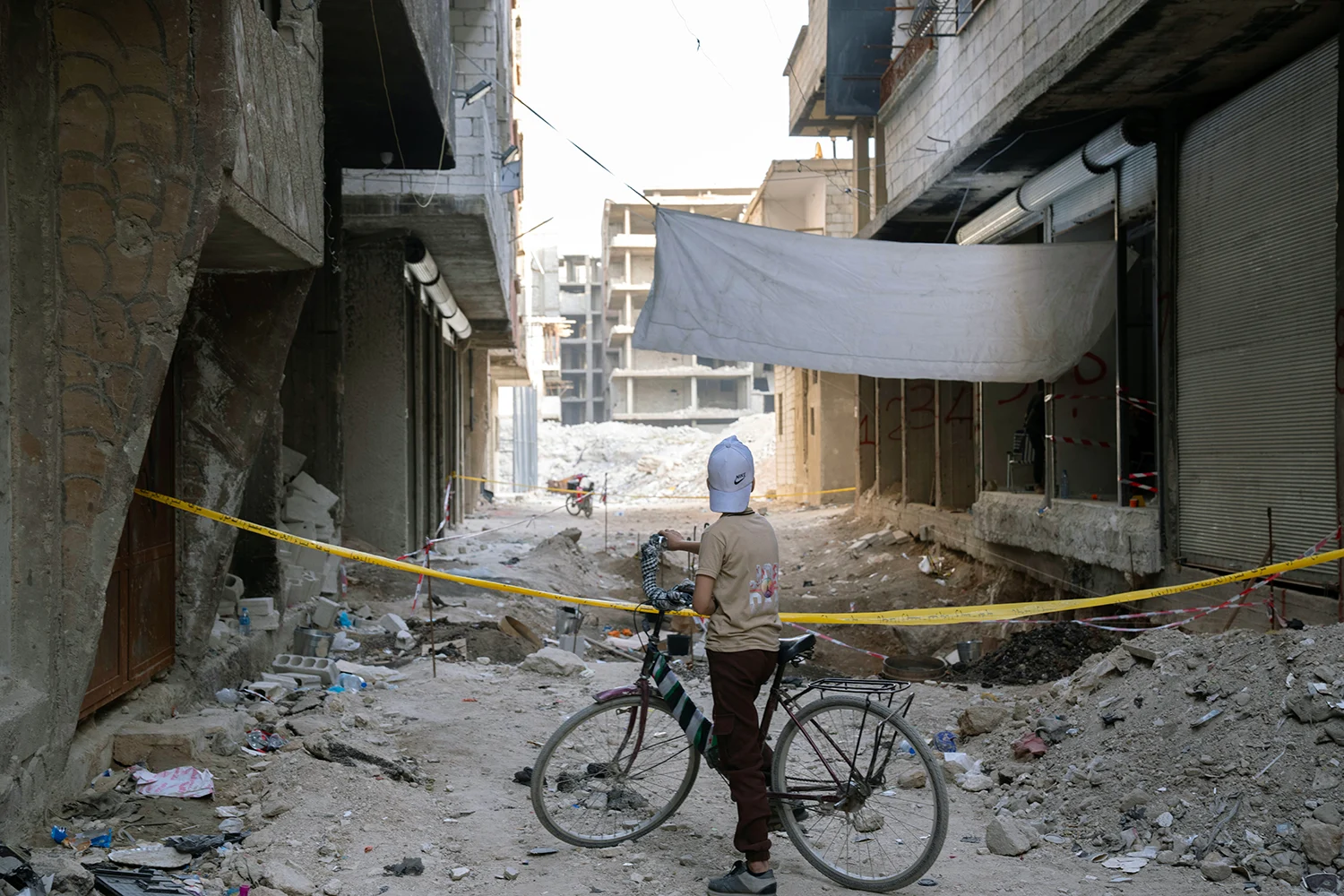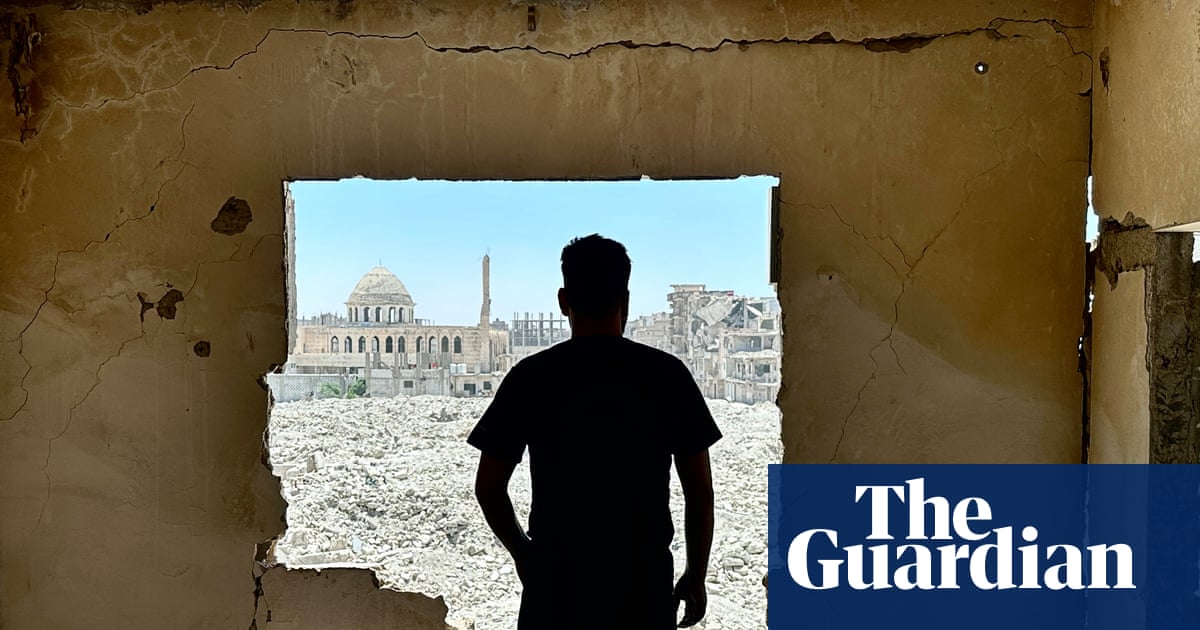
The Damascus suburb became Assad’s killing field. But some of the perpetrators are still around – and even working with the new government
A
bu Mohammed still remembers the smell. It usually came at dawn, as the mosques sounded the first call to prayer. By the time he sat down for breakfast, it would fill the air around his home in Tadamon, a working-class district in the south-east of Damascus. The smell was hard to define. Whenever he noticed it, Abu Mohammed felt on edge. He had his suspicions about what it might be, but like so many Syrians who lived under the dictatorship of Bashar al-Assad, he knew to keep such thoughts to himself.
Abu Mohammed, a retired engineer who asked to be identified only by his nickname, first noticed the smell in the winter of 2012, nearly two years after the start of the uprising against Assad. At the time, he was living in a modest flat in the heart of Tadamon with his wife and their five children. The house stood just off a busy road named Daboul Street. Before the fighting started, Abu Mohammed enjoyed sitting on his balcony after work, sipping his tea as he watched the yellow minicabs and honking motorbikes compete for space in the streets below.
But by the time the smell became noticeable, these streets were largely deserted. The Assad regime had rolled out a network of checkpoints across the neighbourhood in an attempt to quell protests after the 2011 uprising. Hiding behind a curtain so he wouldn’t be seen, Abu Mohammed watched soldiers patrolling the streets. He also noticed white minibuses driving up and down Daboul Street. Whenever the minibuses passed by, he would hear gunfire later that day. Then, overnight, that same smell. One of his daughters, who was in her early teens at the time, remembers it, too. “It smelt like burning hair,” she recalled. “Or like a piece of meat that has been left in a pan until it melts.”