https://arab.news/jjk92
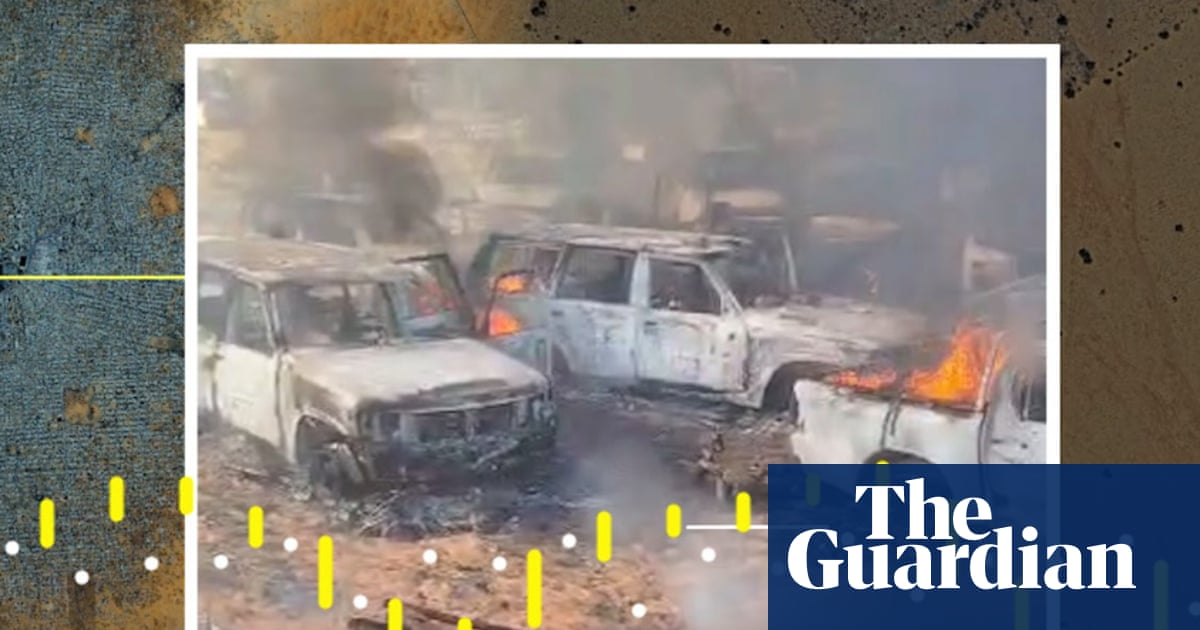
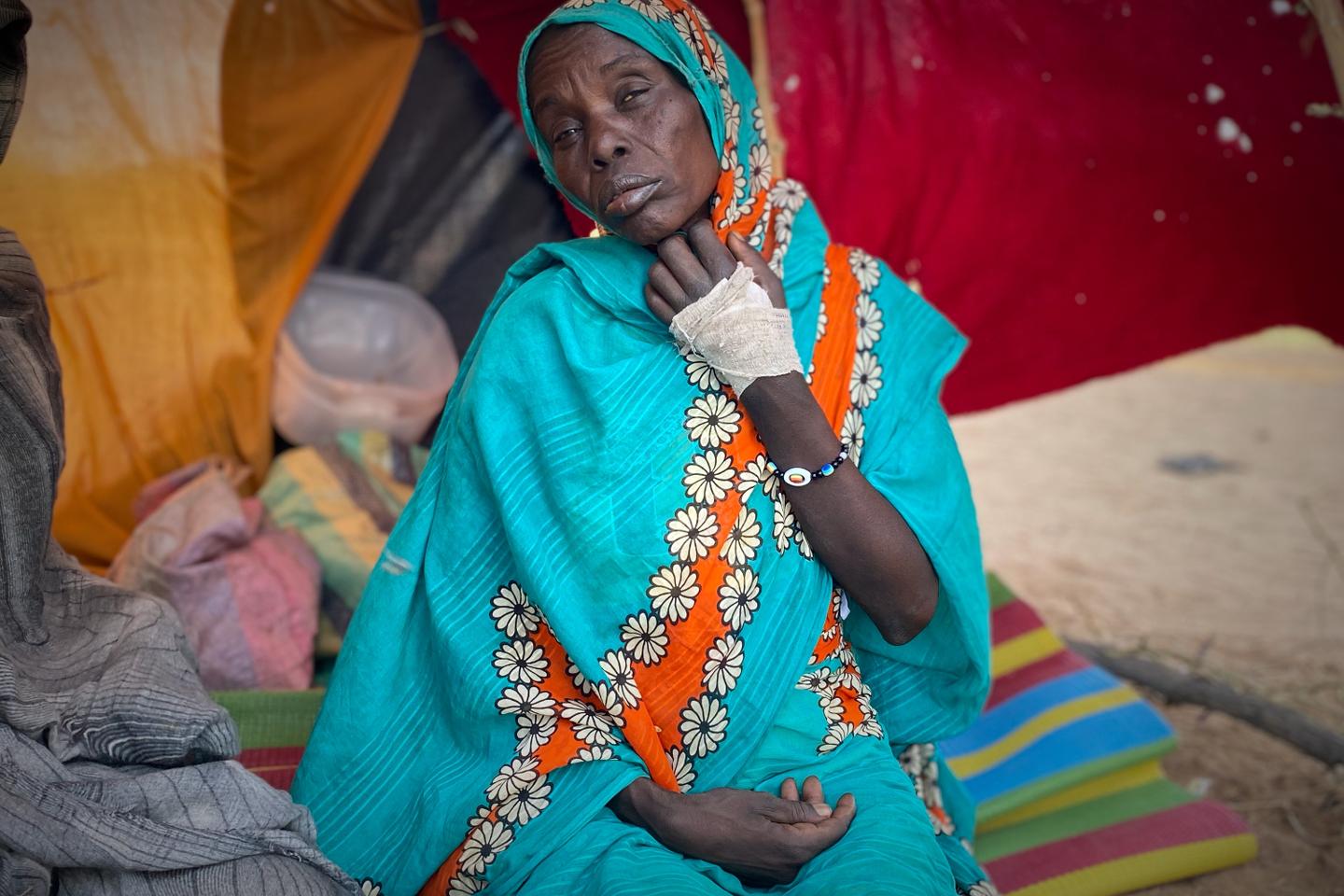
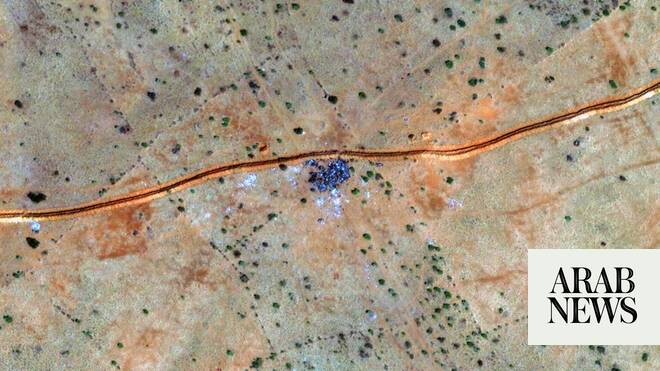
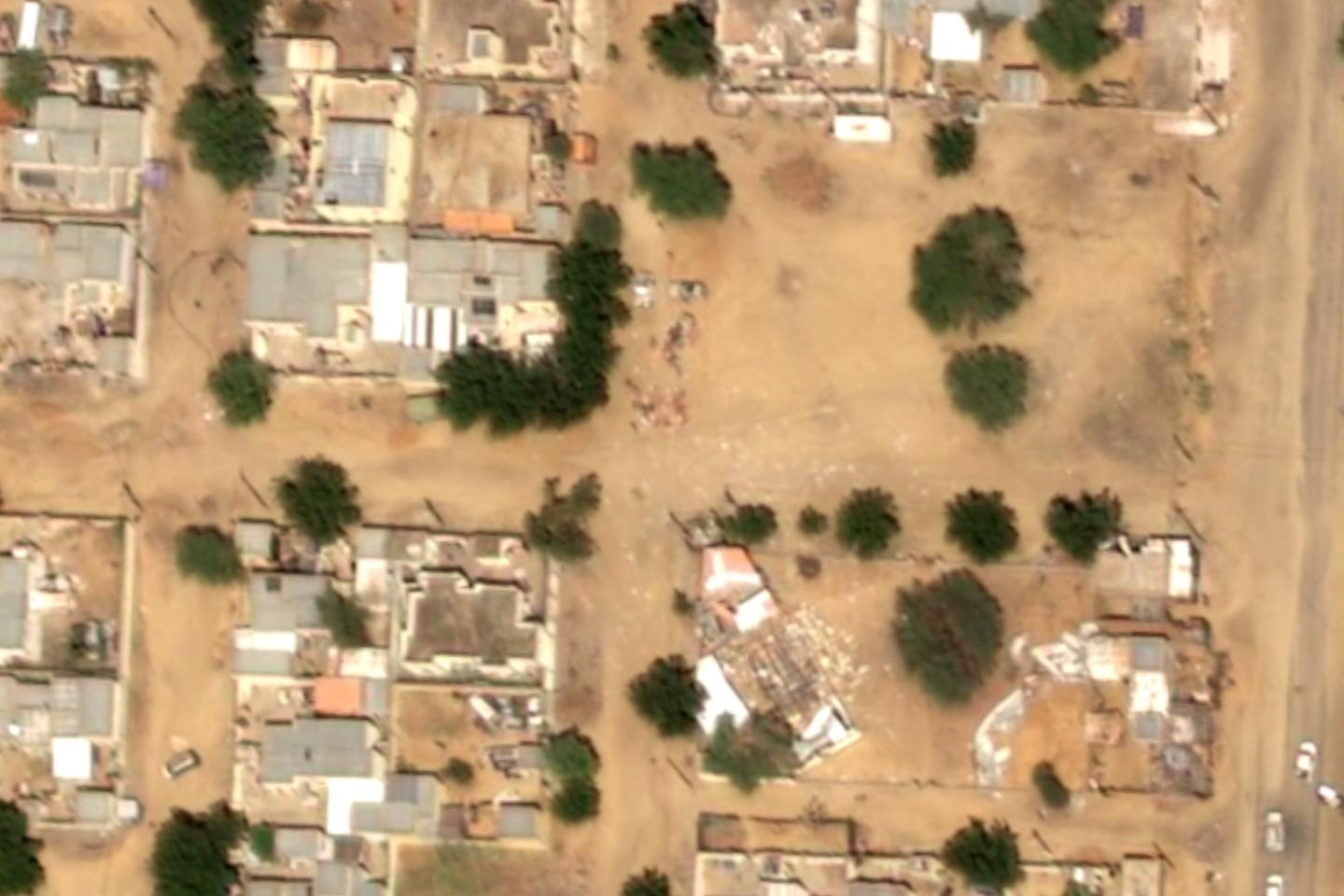
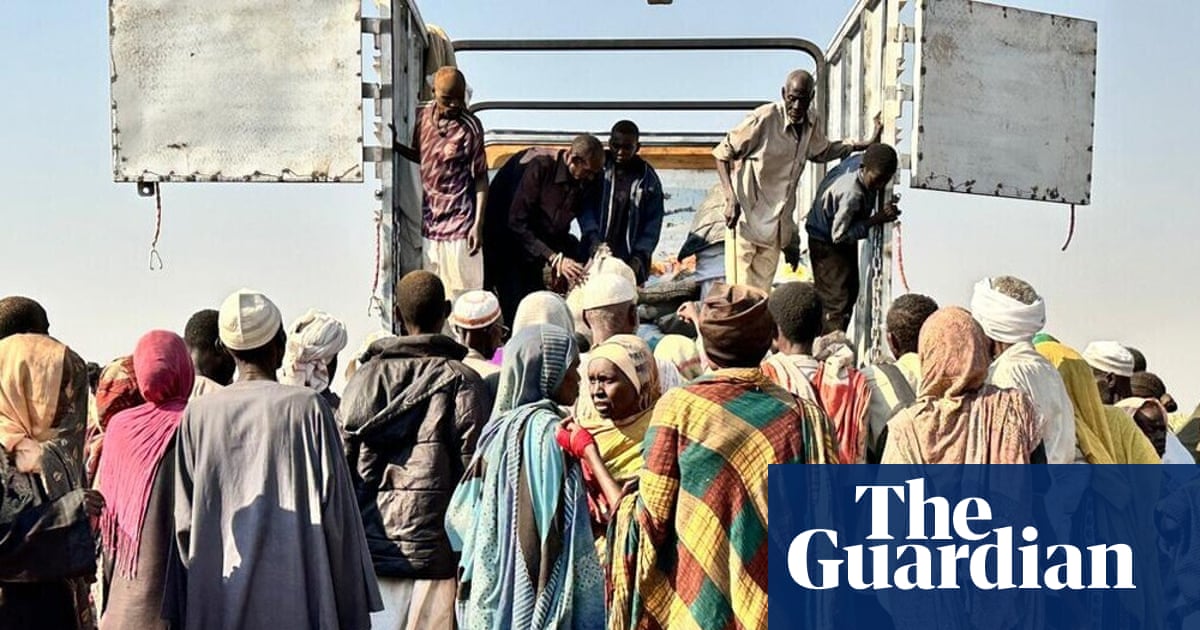
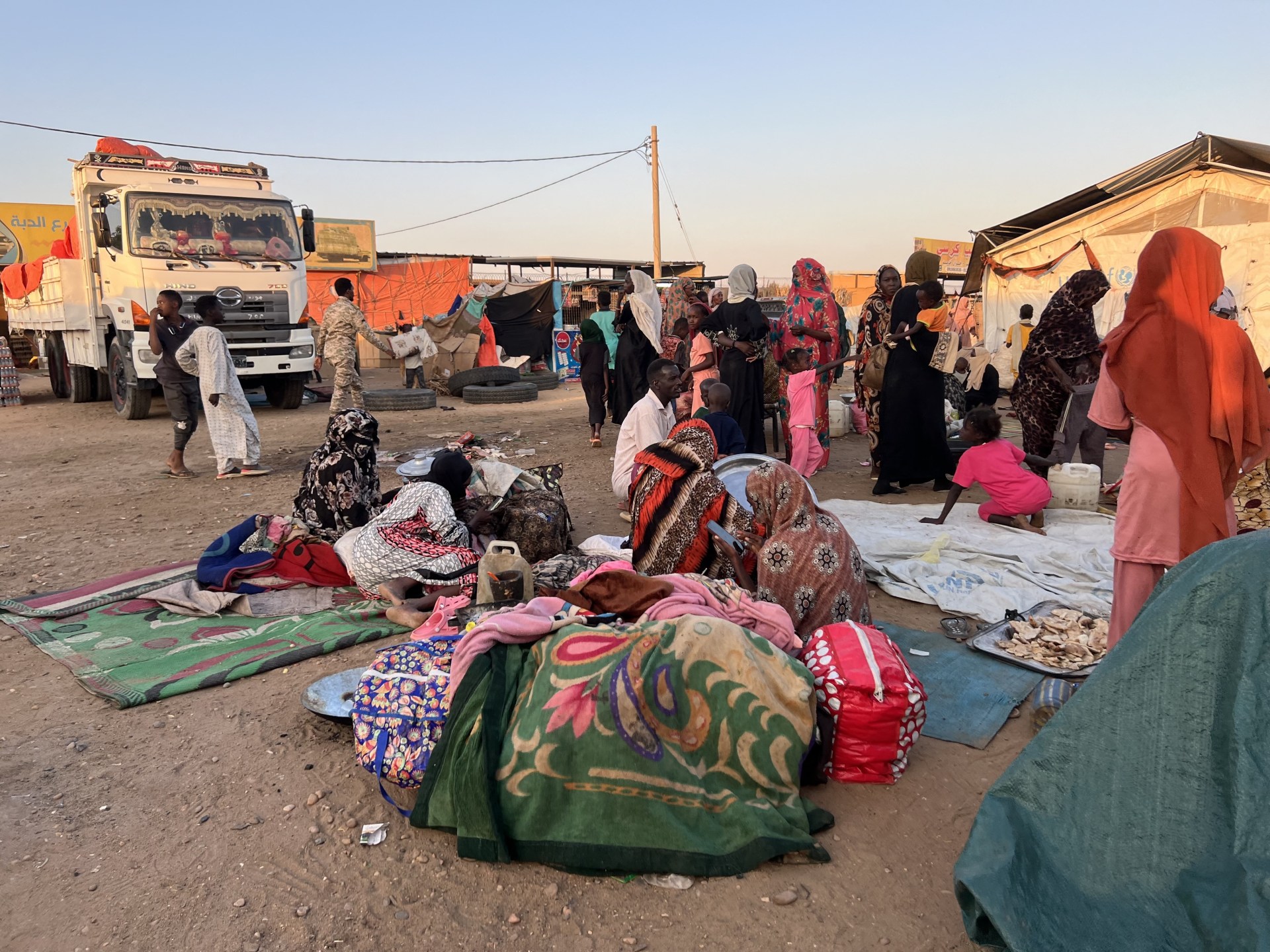
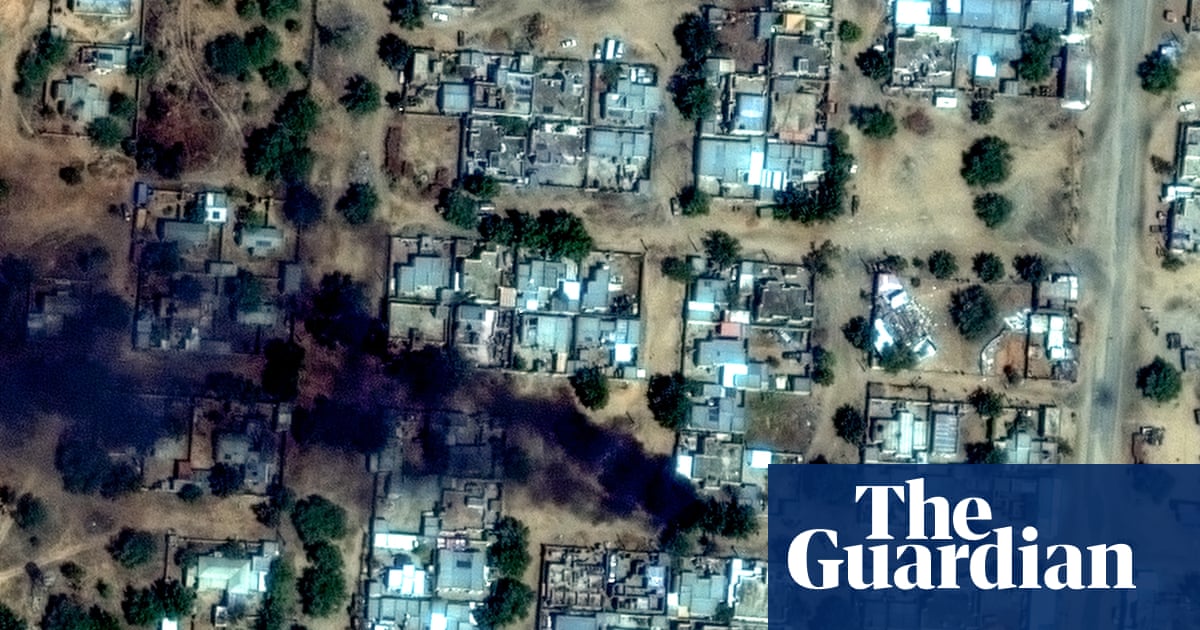
El-Fasher’s fall did not close a chapter so much as open a wider, already festering wound. Satellite imagery and on-the-ground reports show clusters of probable bodies and newly dug mass graves around the Sudanese city. Local monitors report thousands killed since the siege began, while health workers and patients were murdered or abducted and hospitals ransacked. The horrors of El-Fasher were not isolated, spontaneous battlefield excesses but deliberate operations in a systematic campaign to wipe whole communities from Sudan’s map — and its future.
What the Rapid Support Forces’ conduct in Darfur signals is a return to the techniques of ethnic targeting first seen in the early 2000s and again in El-Geneina in 2023, where about 15,000 Masalit people were massacred. The pattern is clear: siege, blockade, selective slaughter, and then monopolize the territory’s governance and resources. When a paramilitary group couples battlefield success with control of food routes and aid denial, sanctioned violence and mass civilian deaths become a tool of consolidation.
The planning behind the fall of El-Fasher is as brutal as it is straightforward. The city was the last major Sudanese Armed Forces garrison in Darfur, and its capture now means the RSF can redirect its fighters, drones, and logistics toward new targets. The redeployments telegraph an imminent escalation of the RSF’s signature tactics: the encirclement of population centers, weaponization of starvation through siege barriers, and subsequent massacre of civilians.