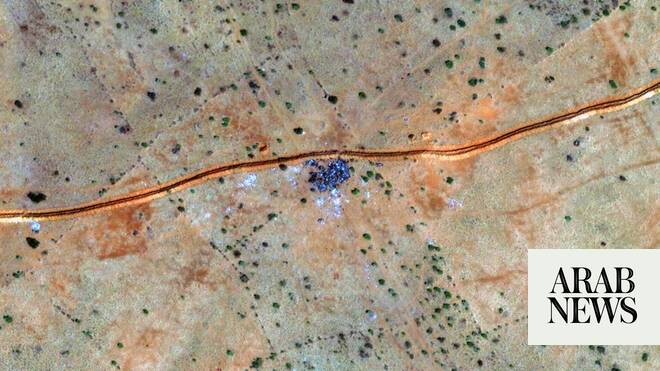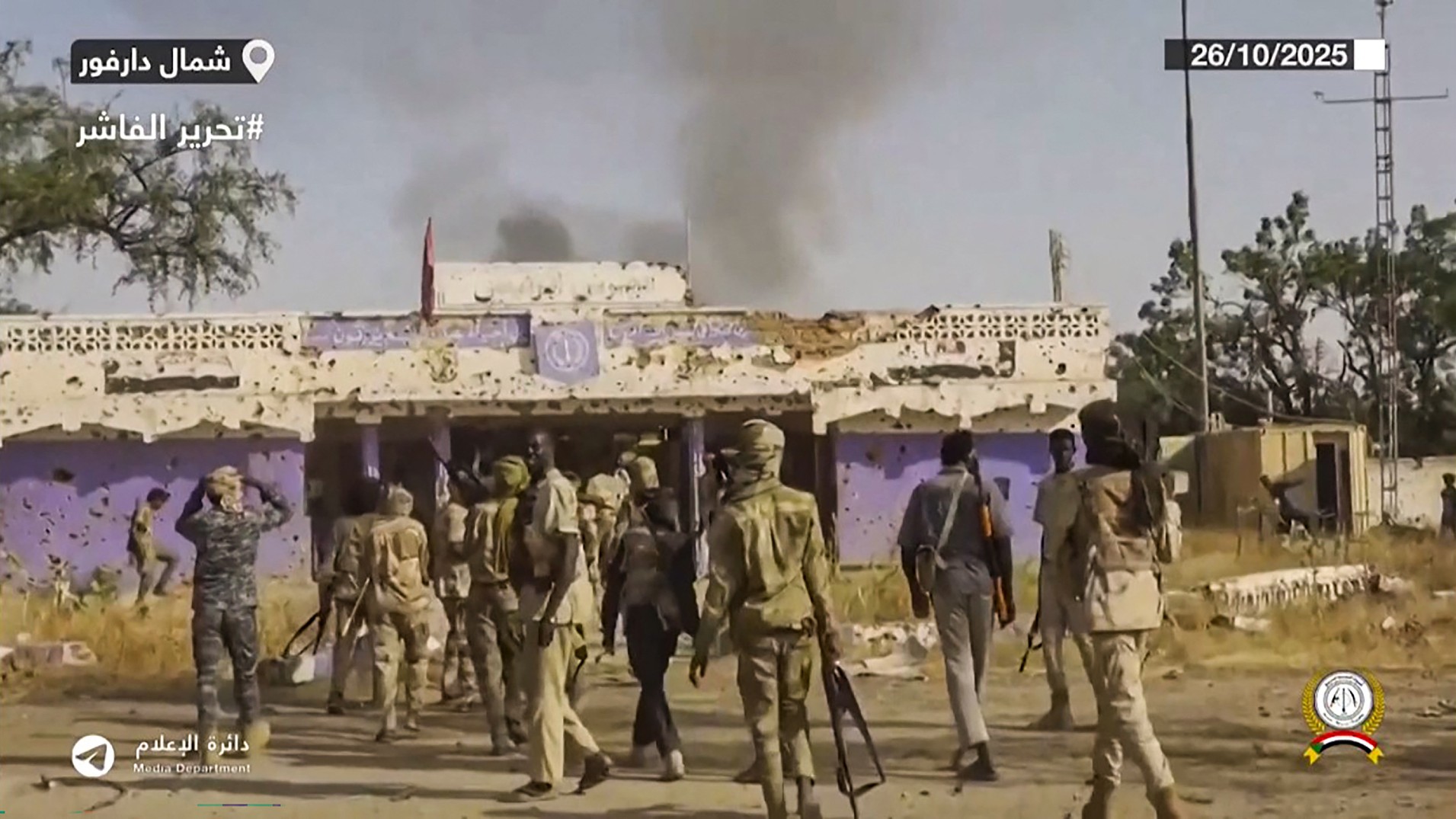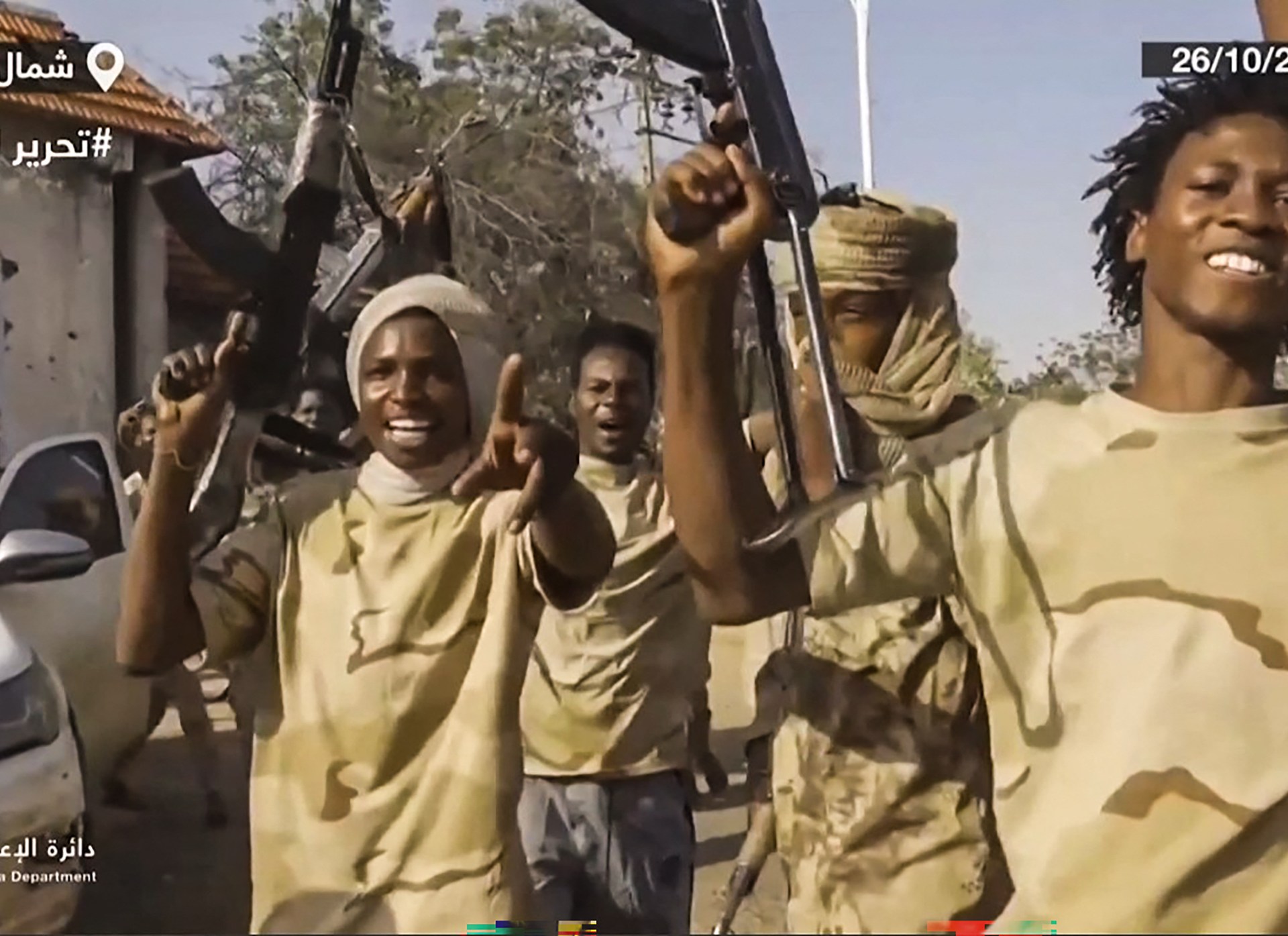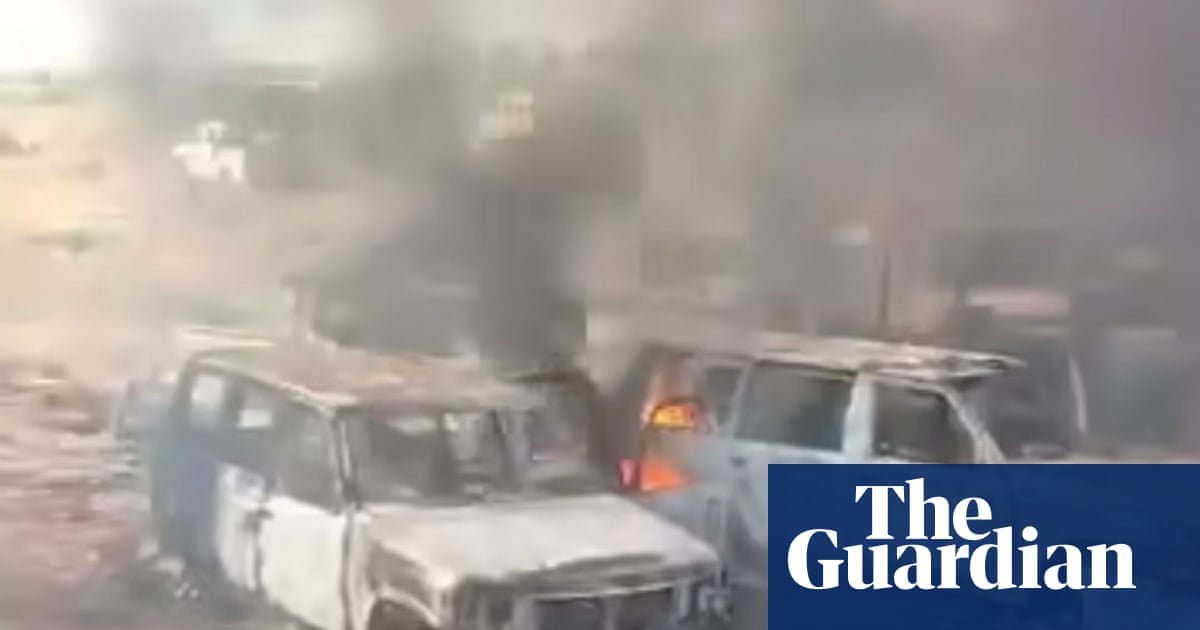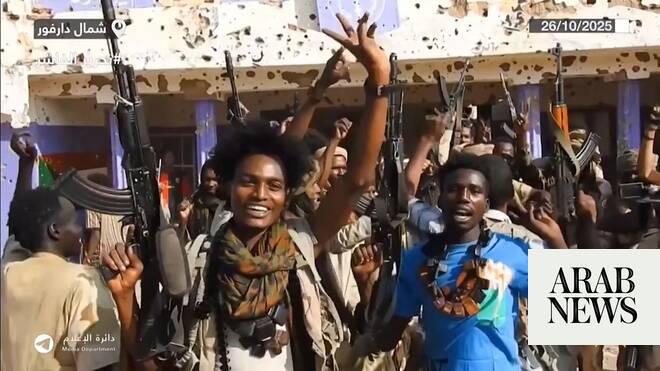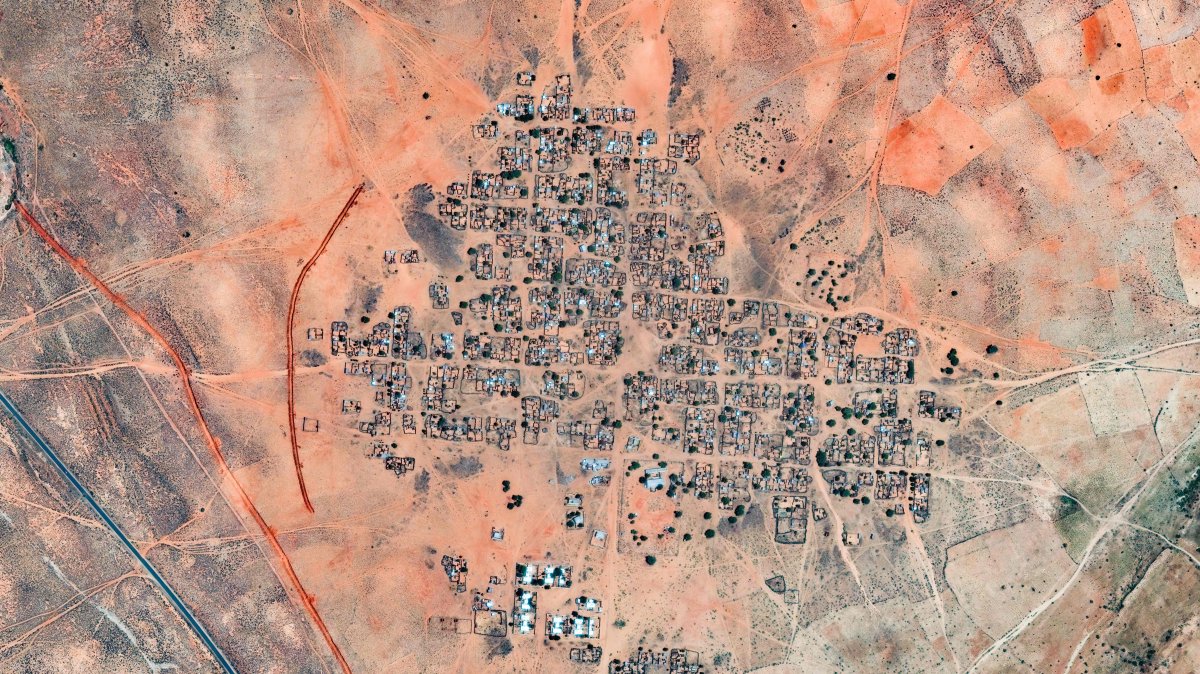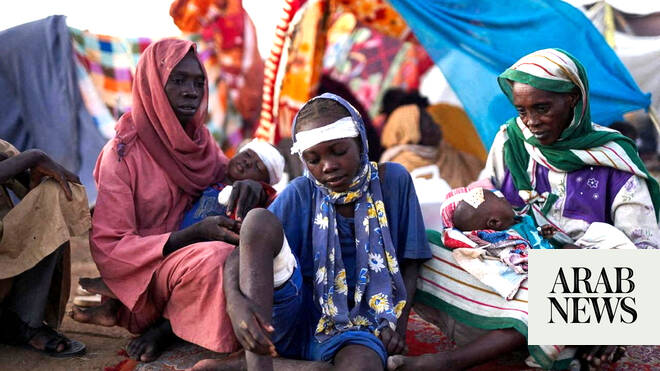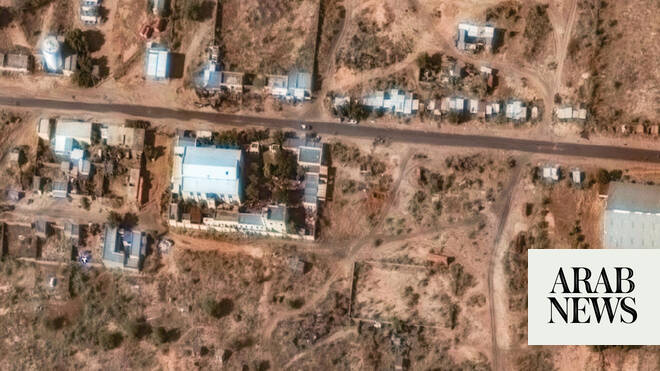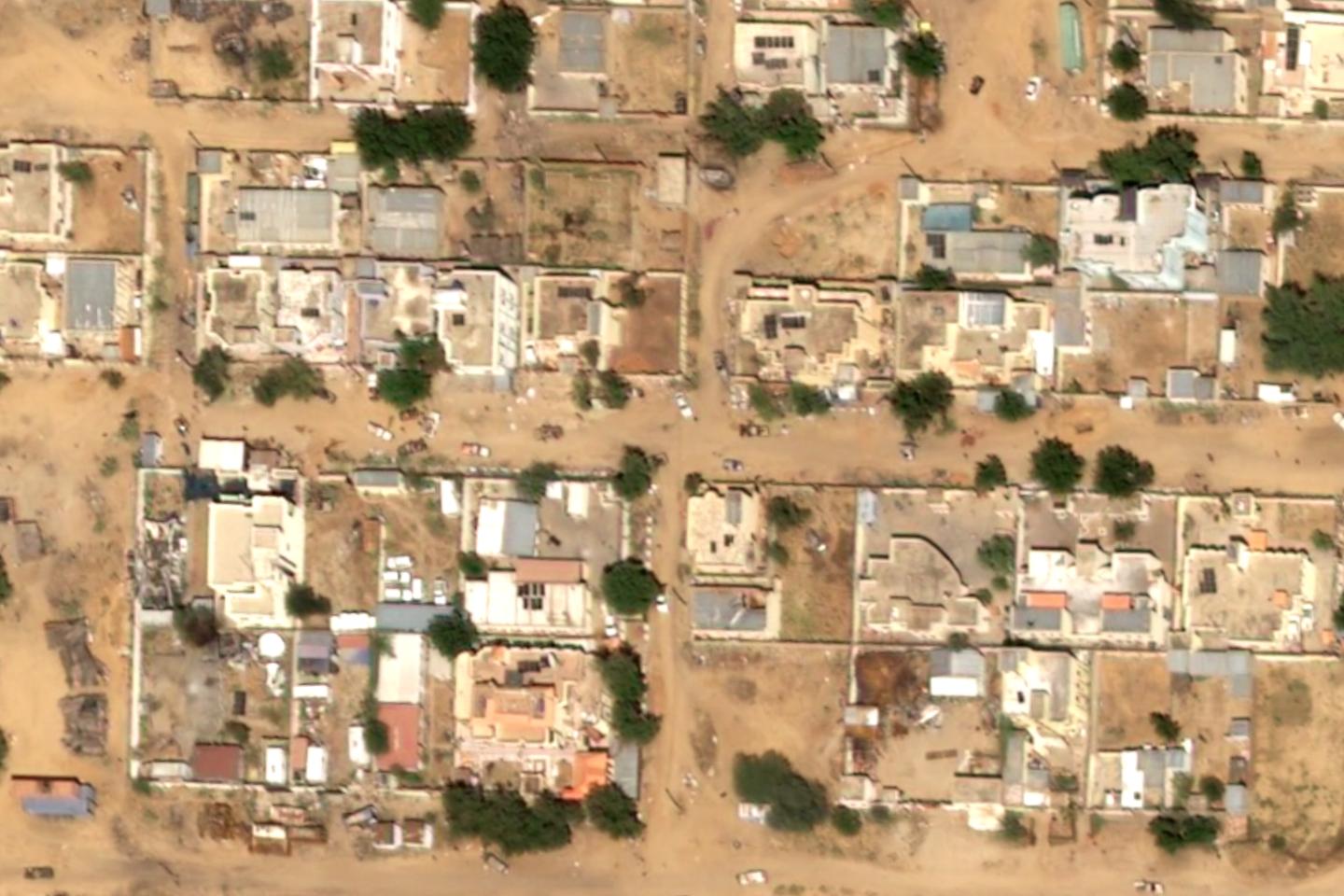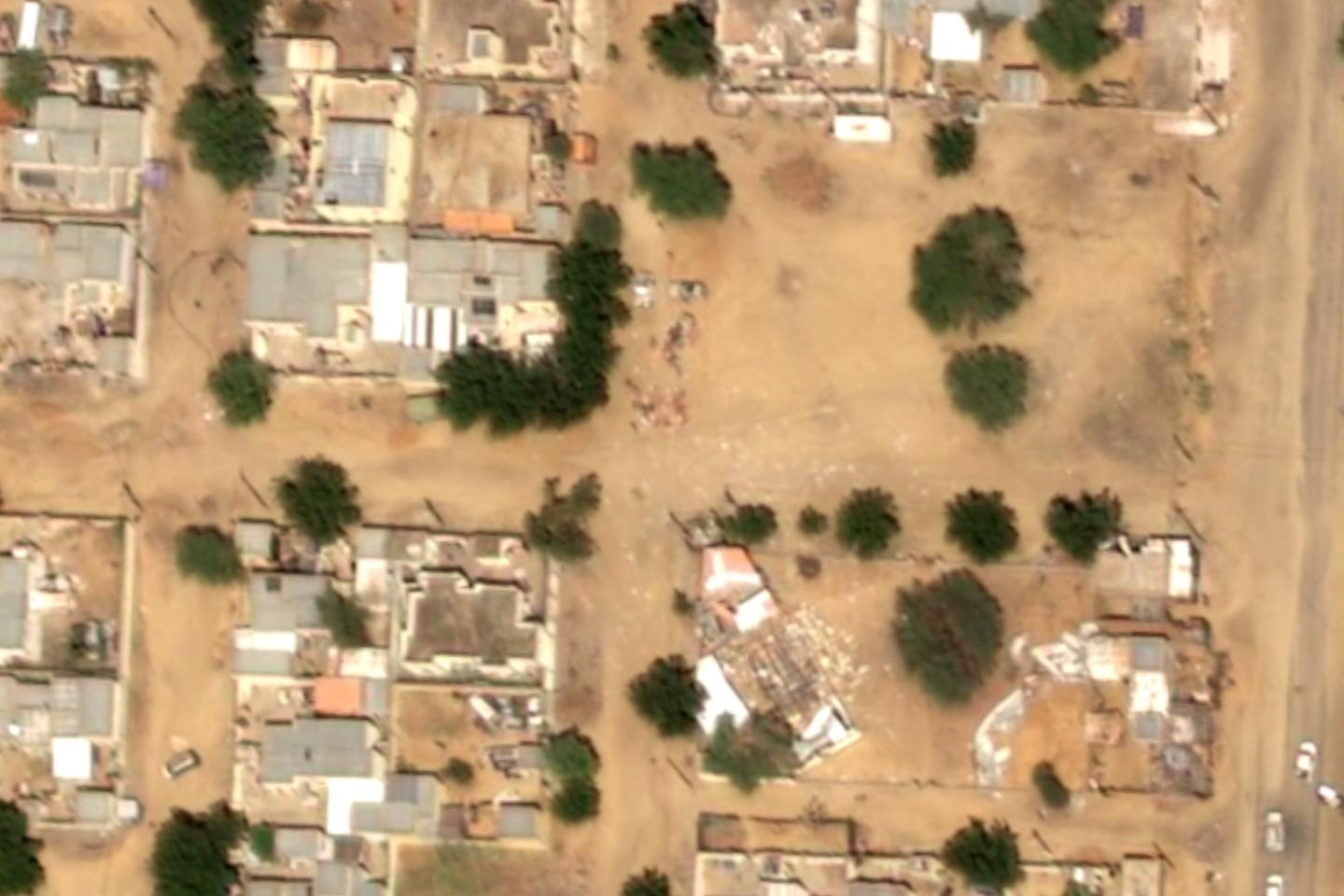
A satellite image analyzed by Yale University in the United States shows evidence of massacres in the Daraja Oula neighborhood of el-Fasher, Sudan, on October 27, 2025. © AIRBUS DS 2025 / AP
A soldier walks down the stairs, with an automatic weapon in hand. In the basement of a makeshift clinic, housed in a university building in the Sudnese city of el-Fasher, about a dozen bloodied bodies already lay on the ground. Amid the tangle of corpses, an elderly man, alive and clad in a white gallabiya (a tunic) sits cross-legged. The old man straightens up and stares at the youthful soldier. "What are you doing, my child?" he can be heard saying, before he is summarily executed. "That one isn't dead, why are you pretending to sleep? Kill him, Ali Regeig!" calls out another soldier, who is filming the scene, while pointing to a young man lying at the back of the room. The man named Ali Regeig, wearing flip-flops and a kadmol – a turban worn by desert fighters, and a trademark of the Rapid Support Forces (RSF) – reloads his weapon and shoots. Then, the two men, both the shooter and the one behind the camera, leave through a door leading to a courtyard, where another dozen bodies are scattered.