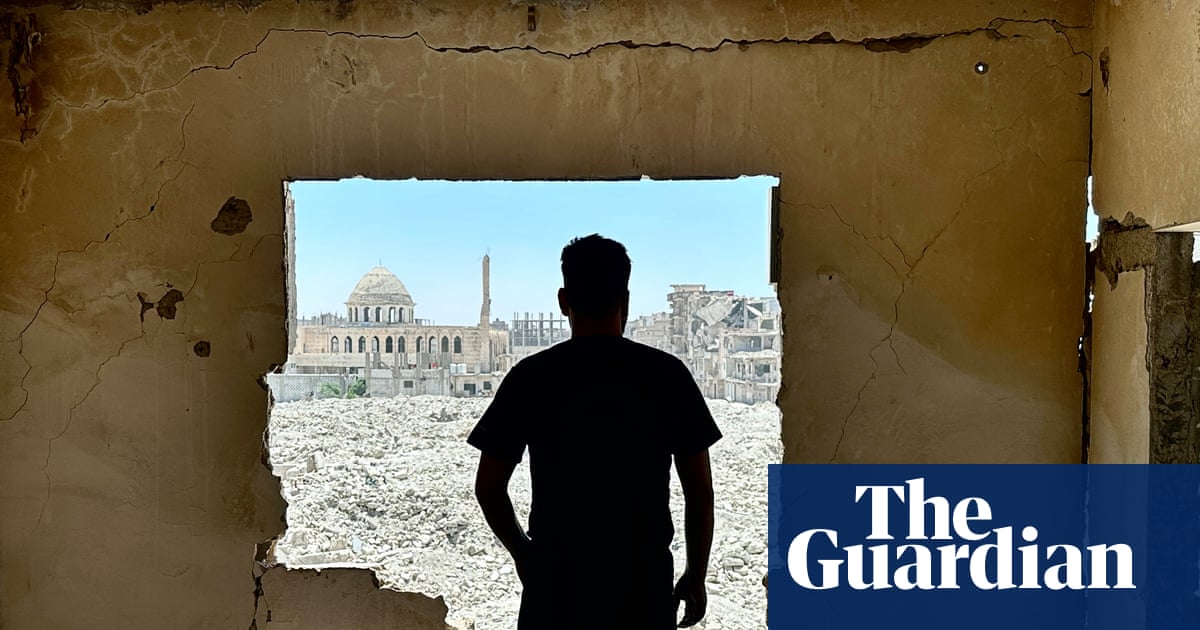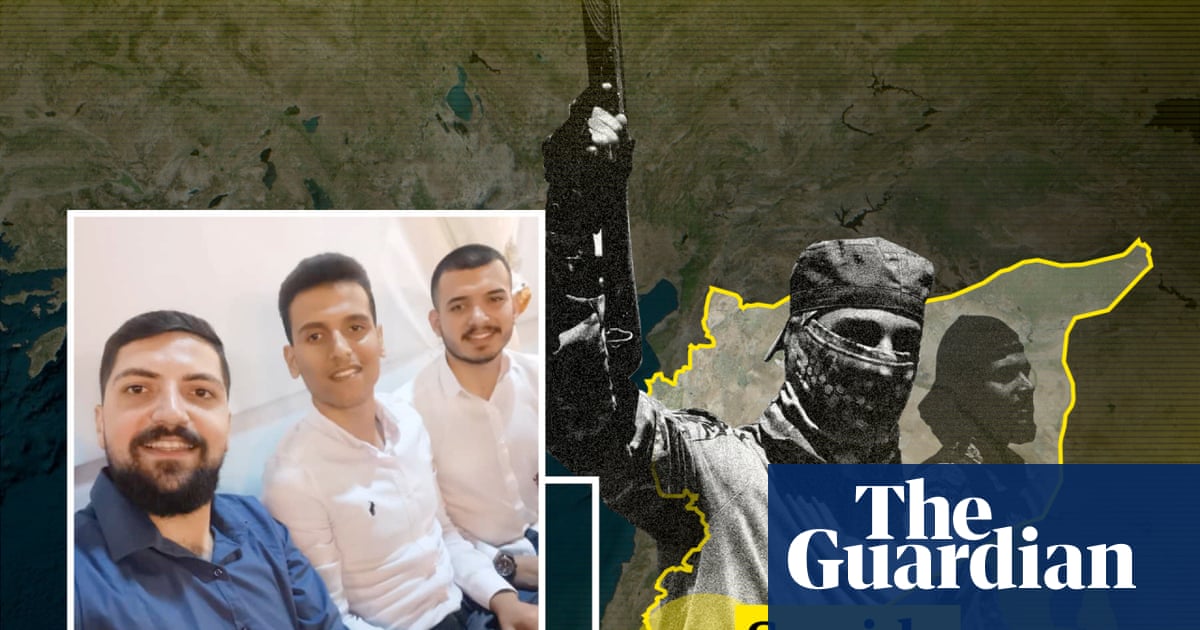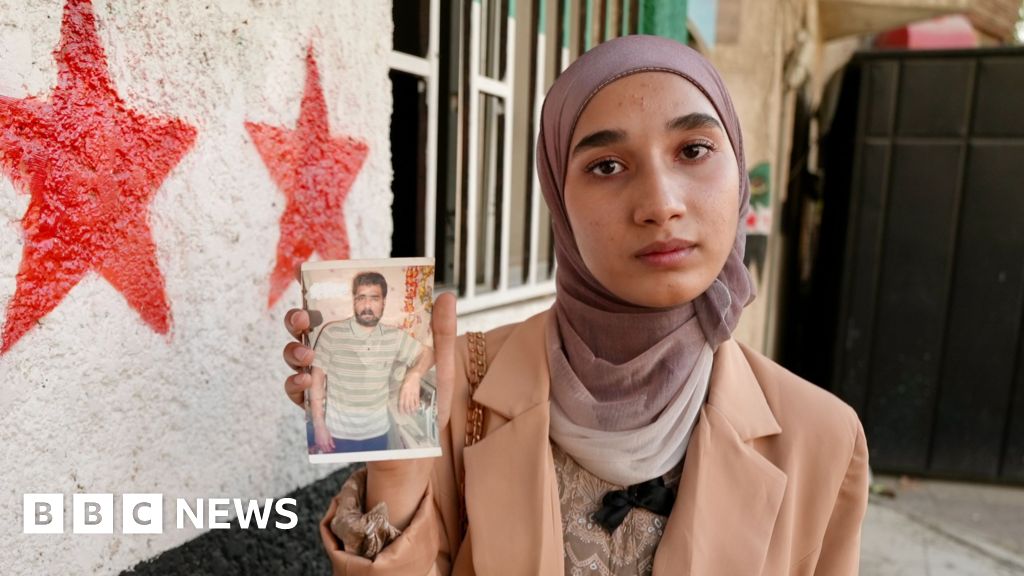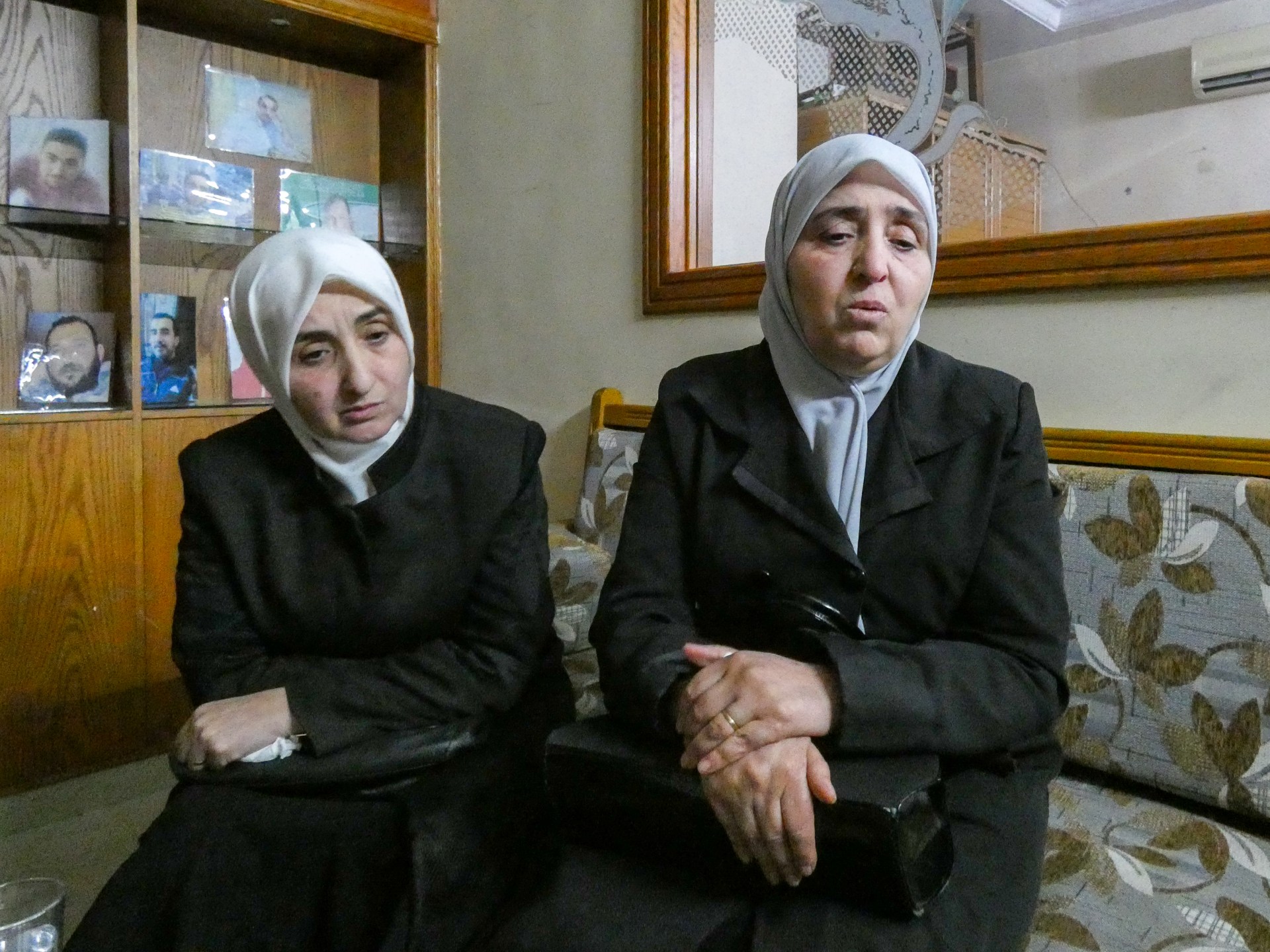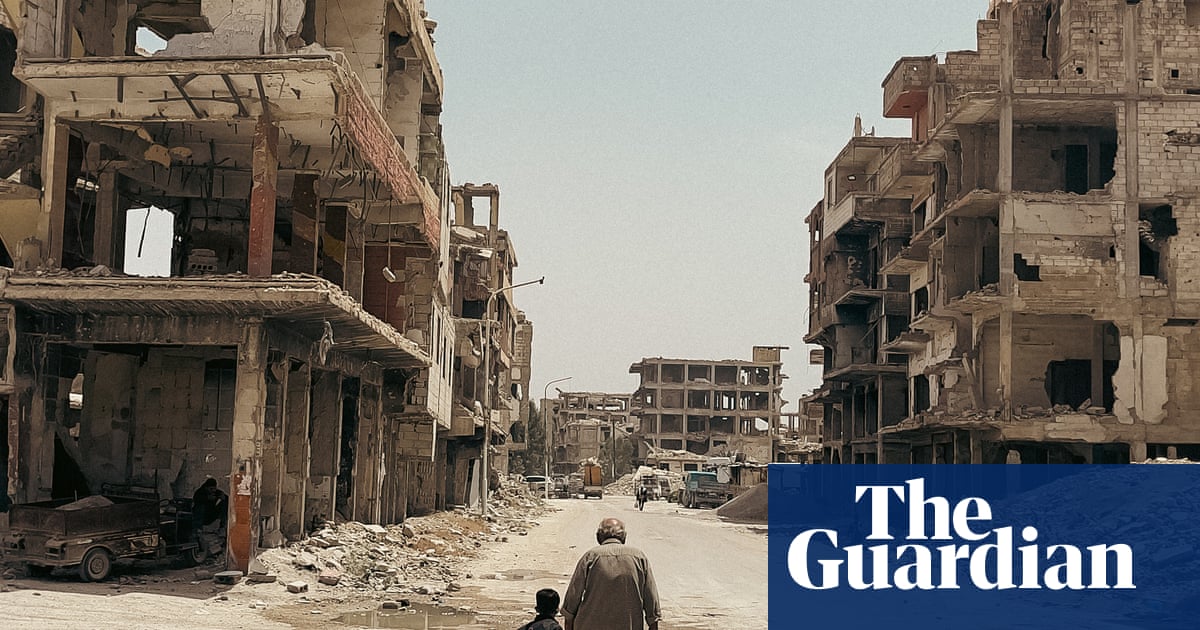
Over a few brutal days in March, as sectarian violence and revenge killings tore through parts of Syria, two friends from different communities tried to find a way to survive
O
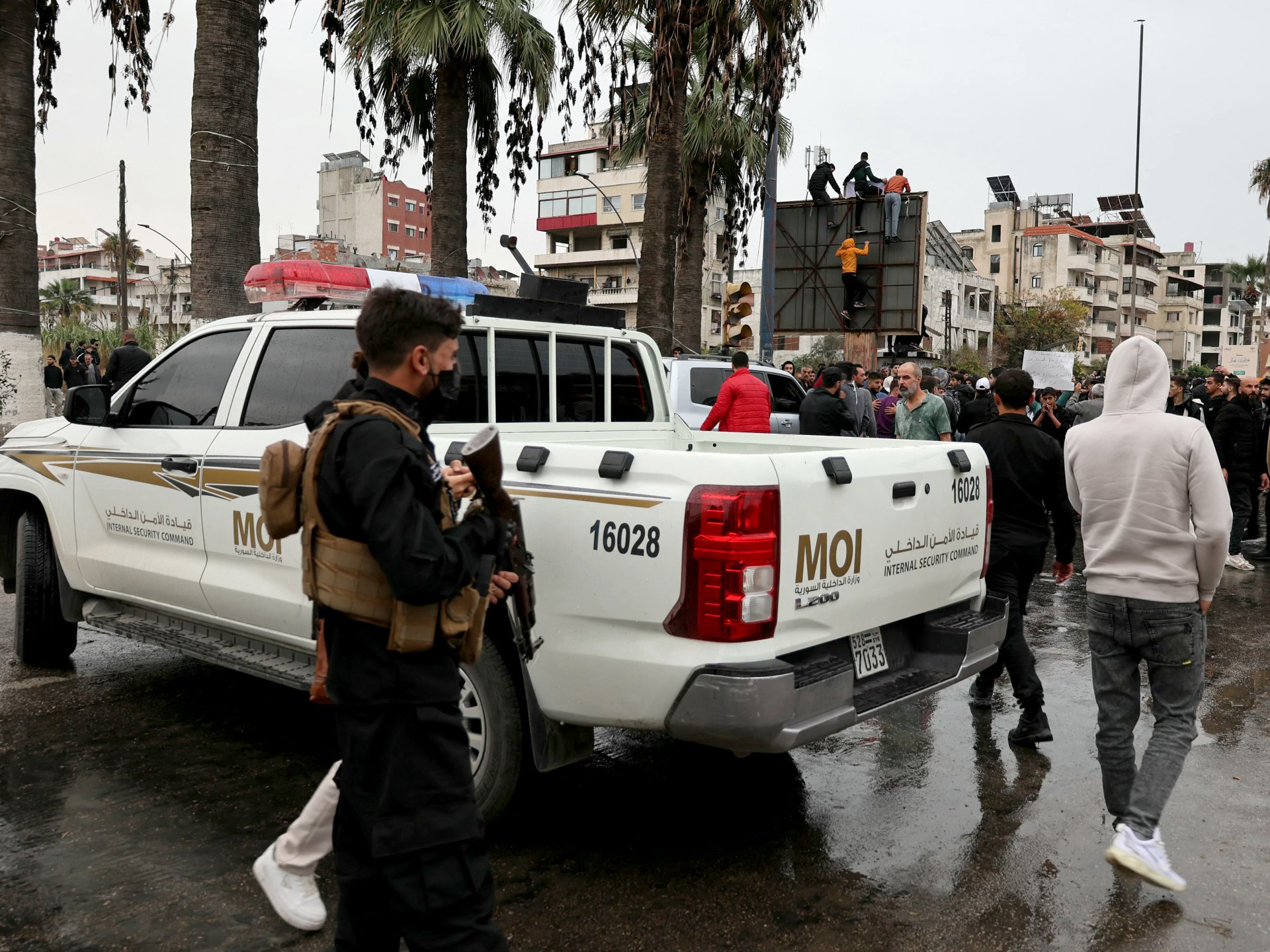
n the night of 6 March, Munir, his wife and their two sons, both in their 20s, got no sleep. They huddled together in a small bedroom in their apartment as government troops and militiamen entered their neighbourhood of Qusour in the coastal city of Baniyas and went from house to house. The fighters seemed to be moving through the streets with little coordination. One house might get raided by five separate groups, while others were left untouched. “There was no plan,” Munir said, “just violence and looting.”
The first question the fighters were asking when they stormed into an apartment was: “Are you a Sunni or an Alawite?” The answer decided the fate of the residents. Sunnis were spared – although in some cases their apartments were looted. When the raiders found an Alawite home, some stole what they could carry and left; others had come for revenge and would steal first and then shoot. “If one didn’t kill you, the next one might,” Munir said.
Munir, a committed Marxist, had spent more than a decade as a prisoner in Bashar al-Assad’s brutal prison system. When the regime ended in December last year, he was jubilant. But Munir is from an Alawite family, the sect that had been associated with the Assad regime since the 1970s. Members of the community had been involved in some of the worst atrocities of the civil war that broke out in 2011, including disappearances, imprisonment and torture. Munir knew that this could not be brushed aside.