https://arab.news/6hd9k
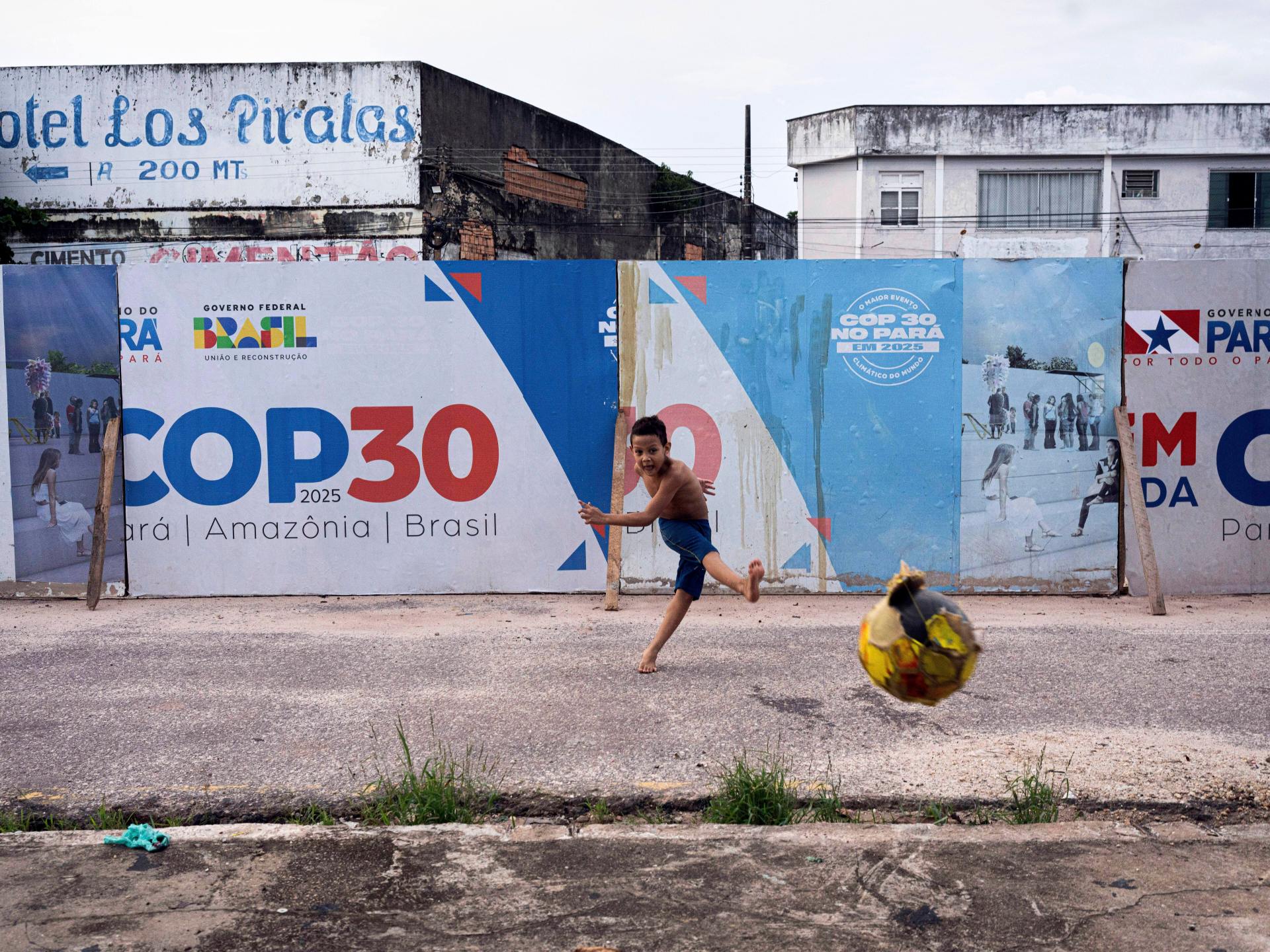
The Dubai-hosted COP28, the first annual UN climate summit to be held in the Gulf, saw almost 84,000 people attend. By comparison, COP30 in Brazil will have a much smaller participation, with only about 12,200 people having signed up as of Oct. 8, according to preliminary data from the UN.
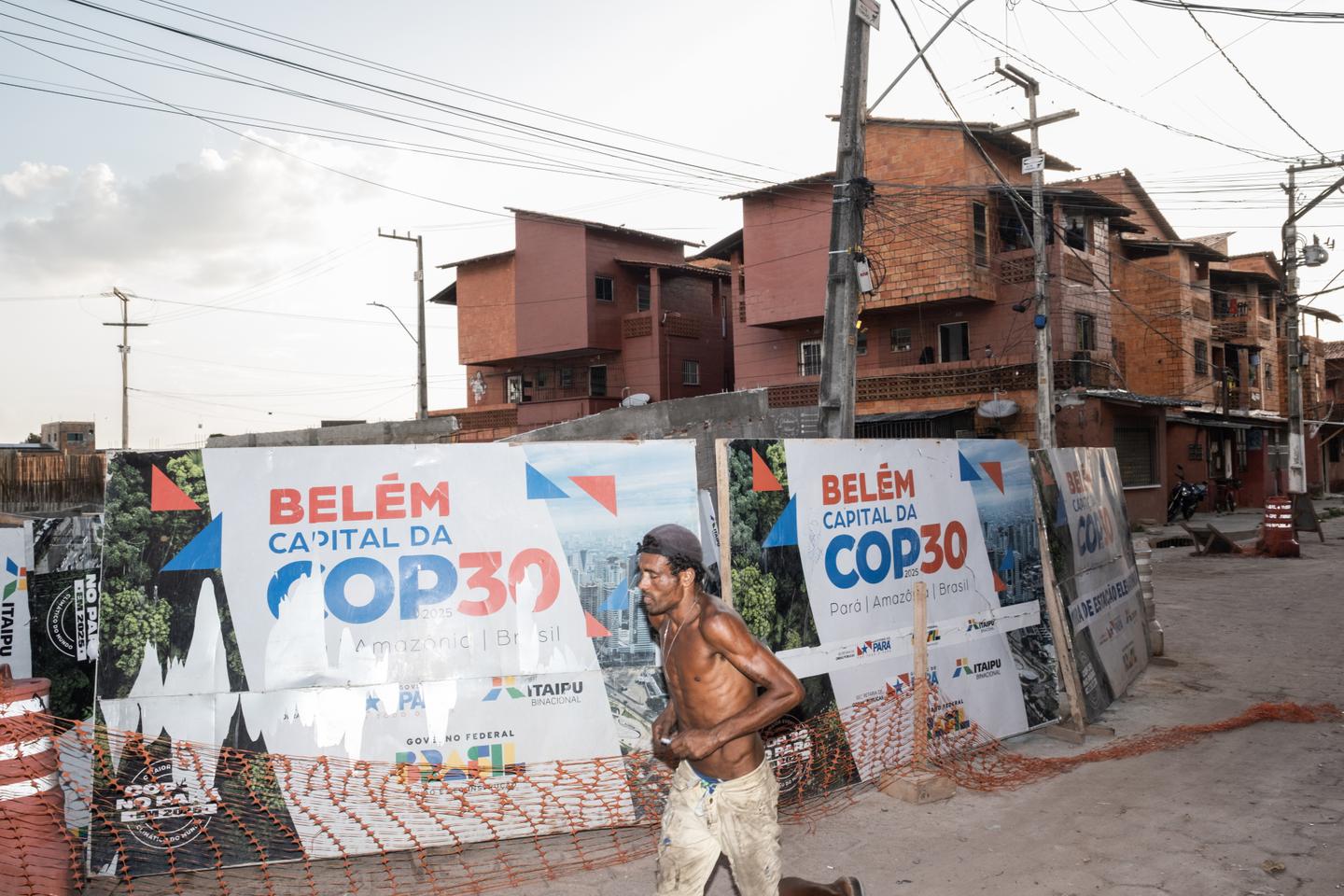
This will not be the only key difference between COP30, which starts on Monday, and many of its predecessors. Brazil has also declared that this month’s big event marks a decisive shift to a “postnegotiation” phase of climate diplomacy, with efforts now focused on action and implementing the existing climate commitments made by nations across the world.
This includes the Middle East, which today has an increasingly visible role in the global climate debate, as was shown by COP28 in Dubai and COP27 in Egypt. The Paris Agreement was signed into law as early as 2016 by multiple key countries in the region, including the UAE and Jordan. Today, Saudi Arabia, Oman, the UAE, Qatar, Iraq and Bahrain are among the nations that have made net-zero commitments for the period between 2030 and 2060.
One manifestation of the on-the-ground change that Brazil is seeking in the aftermath of COP30 can be seen in the growth of domestic climate legislation and regulations adopted by various nations. As studies published by the Grantham Research Institute at the London School of Economics reveal, the number of global warming laws and policies in the 100-plus countries under review has grown from just over 50 in 1997 — at the time of the Kyoto treaty — to more than 5,000 in 2025.