https://arab.news/zsryt
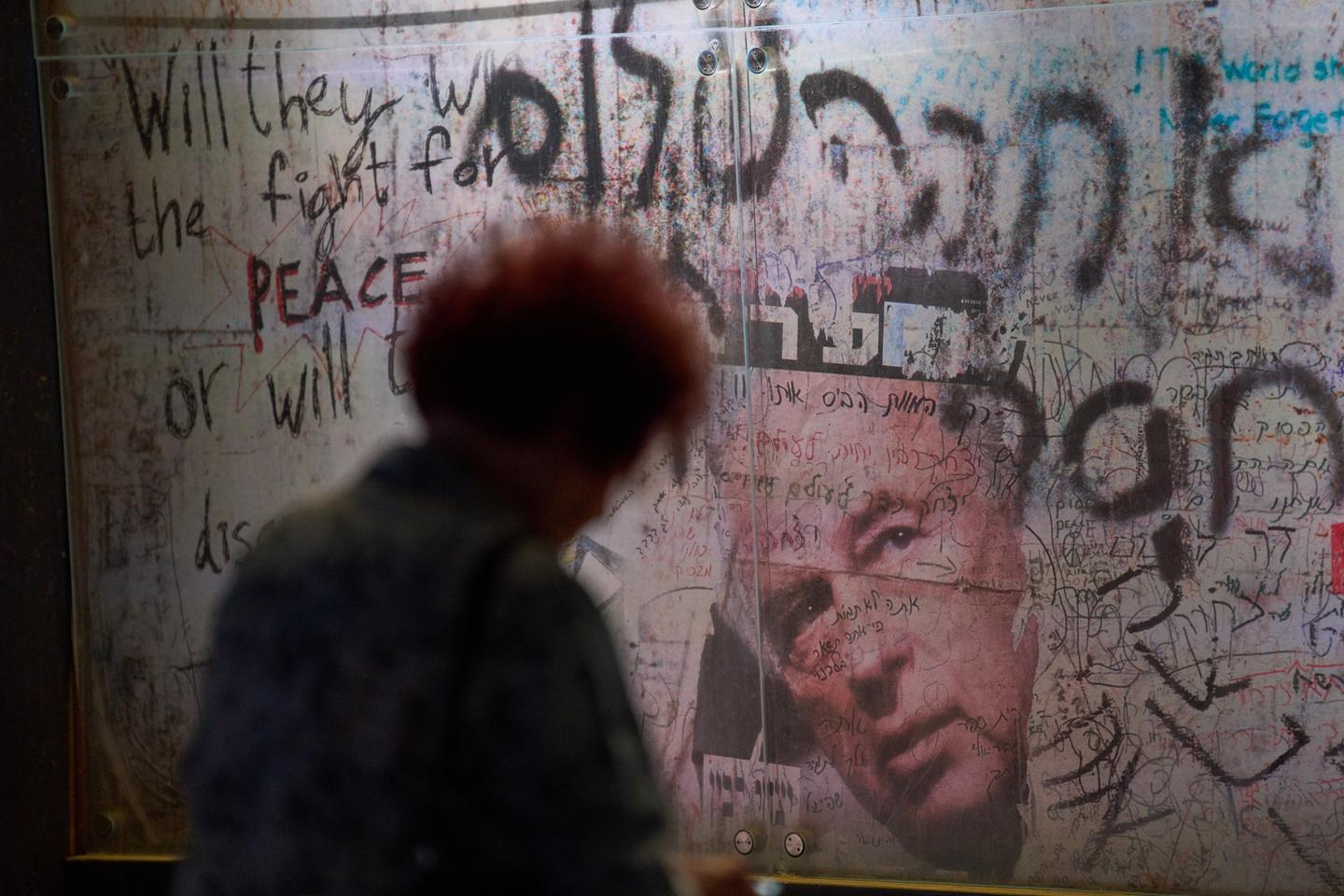
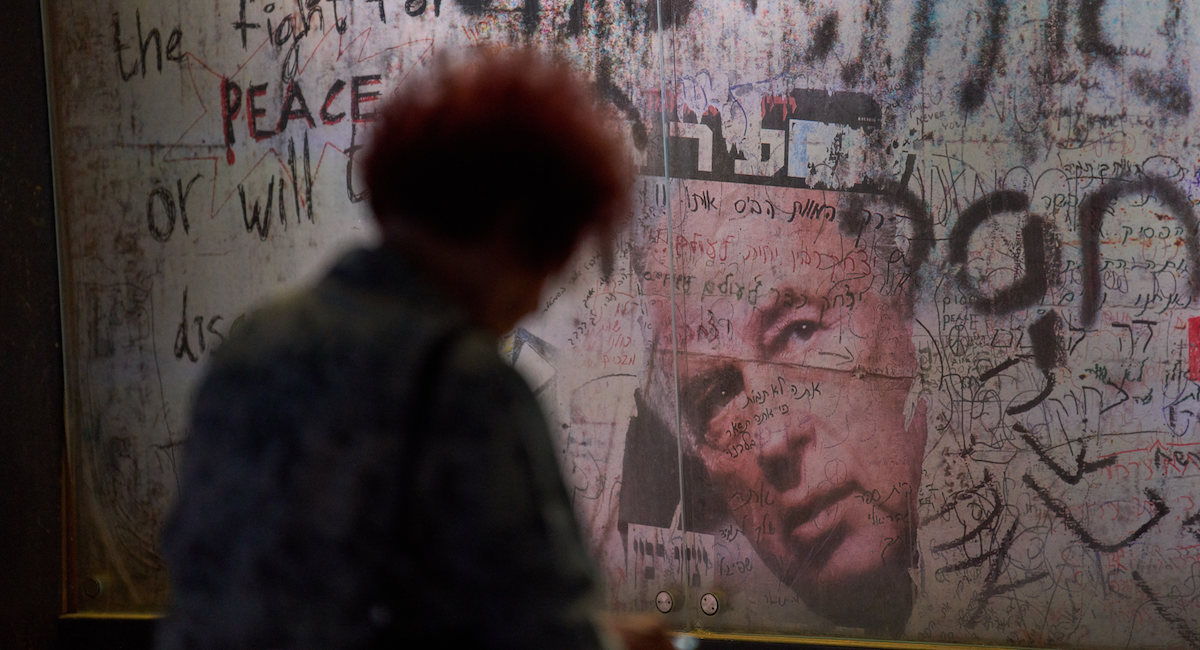
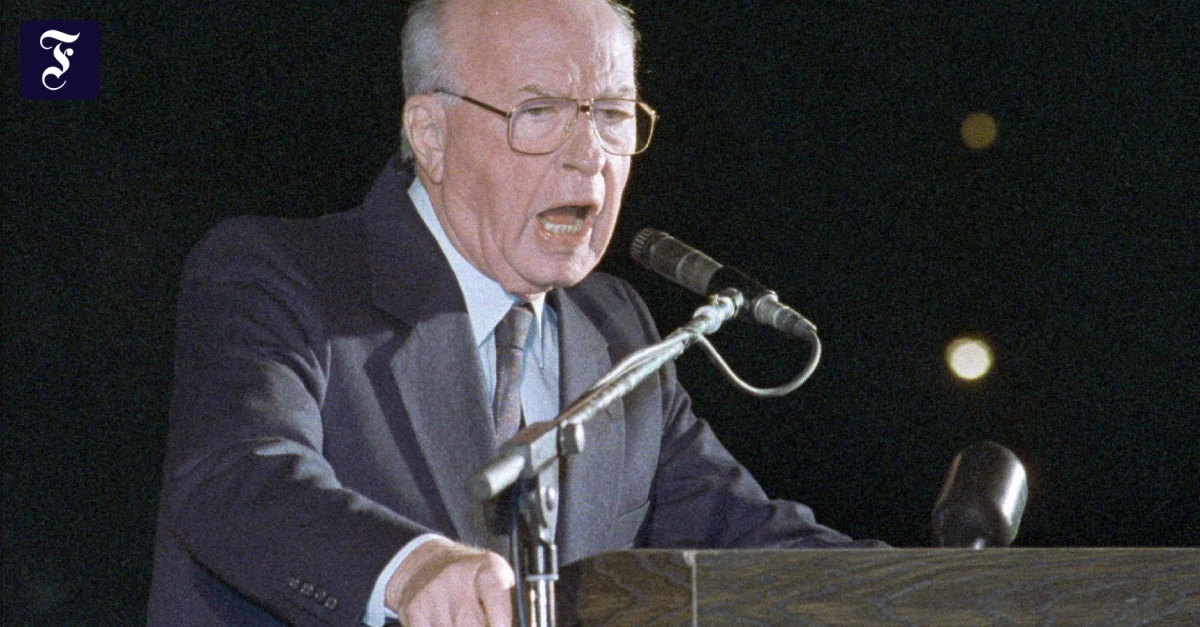
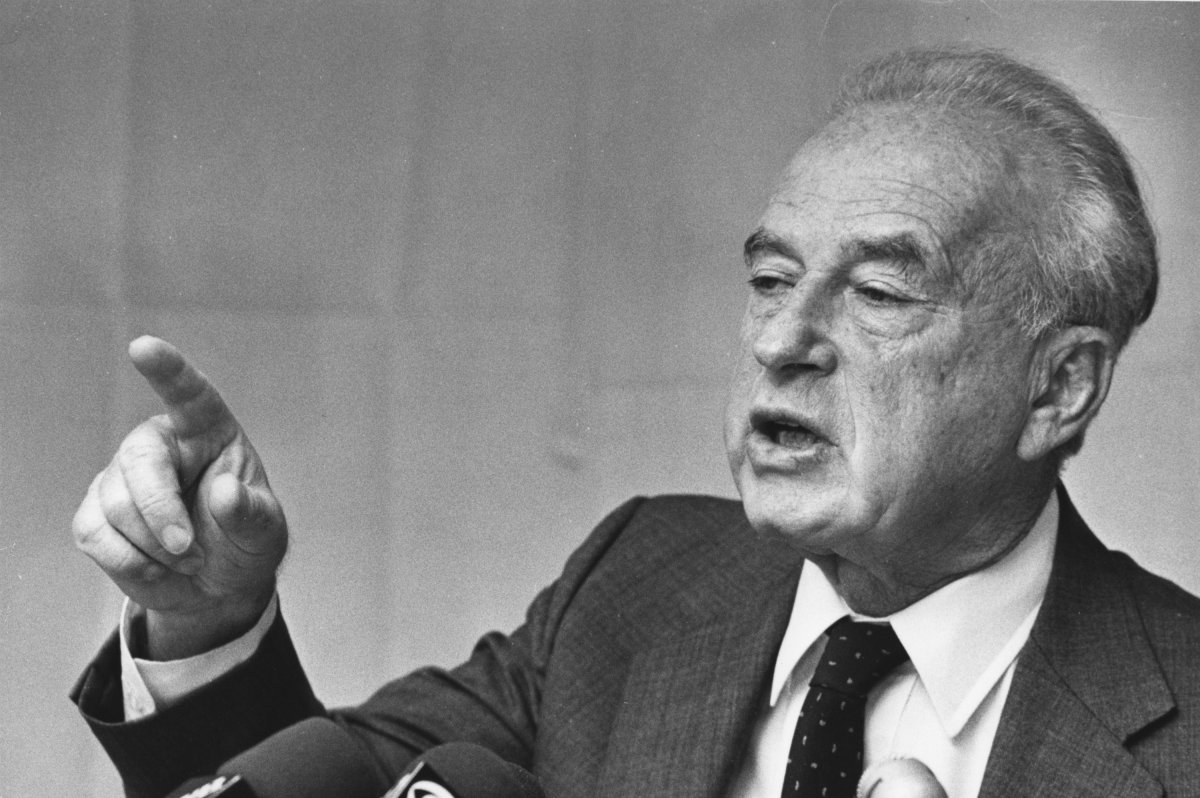
The three gunshots that struck Yitzhak Rabin on Nov. 4, 30 years ago, not only killed the Israeli prime minister, but also fatally wounded the peace process that was then barely two years old. The tragic irony was that the assassin chose to target Rabin as he left the stage of a peace rally in Tel Aviv — the Israeli leader’s final act singing what has since become the anthem of the peace camp “Shir LaShalom” (A Song for Peace).
Those who personally worked against Rabin knew that this statesman and former Israeli military chief was an irreplaceable figure in the cause of peace. For many Israelis, he was still the hero of the Six-Day War, which ended with Israel occupying the West Bank, East Jerusalem, and Gaza. However, Rabin was prepared to cede much of these territories for the sake of peace. In a nutshell, the magnitude of the tragedy of his murder is encapsulated in the fact that Benjamin Netanyahu, a leading voice in the incitement against him, has replaced Rabin at the helm for most of the past 30 years since the assassination. The enemies of peace benefited most from Rabin’s death.
Unfortunately, it is impossible to delink this tragic moment all these years ago from the collapse of the peace process, which has resulted in the current lowest point in the Israeli-Palestinian conflict. The ceasefire in Gaza is very much welcomed, but peace based on a two-state solution seems further away than ever. However, it must be emphasized that it is not impossible and remains highly desirable.