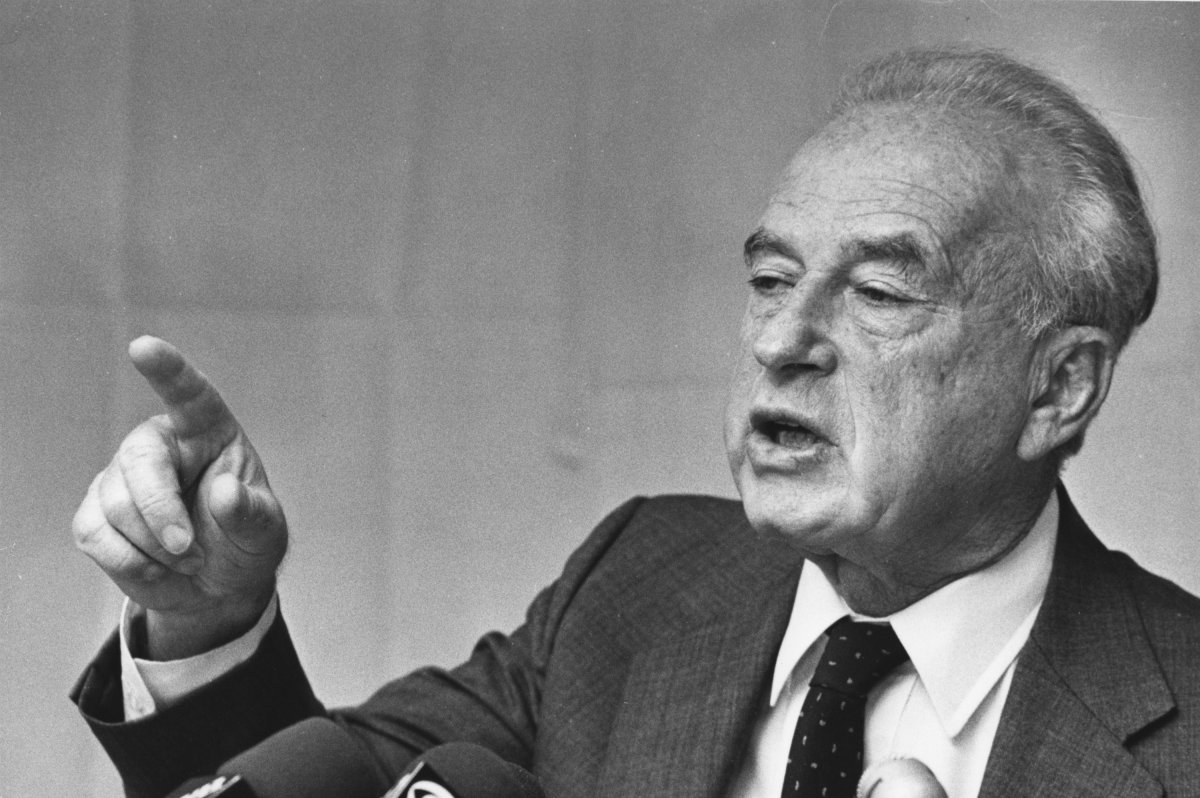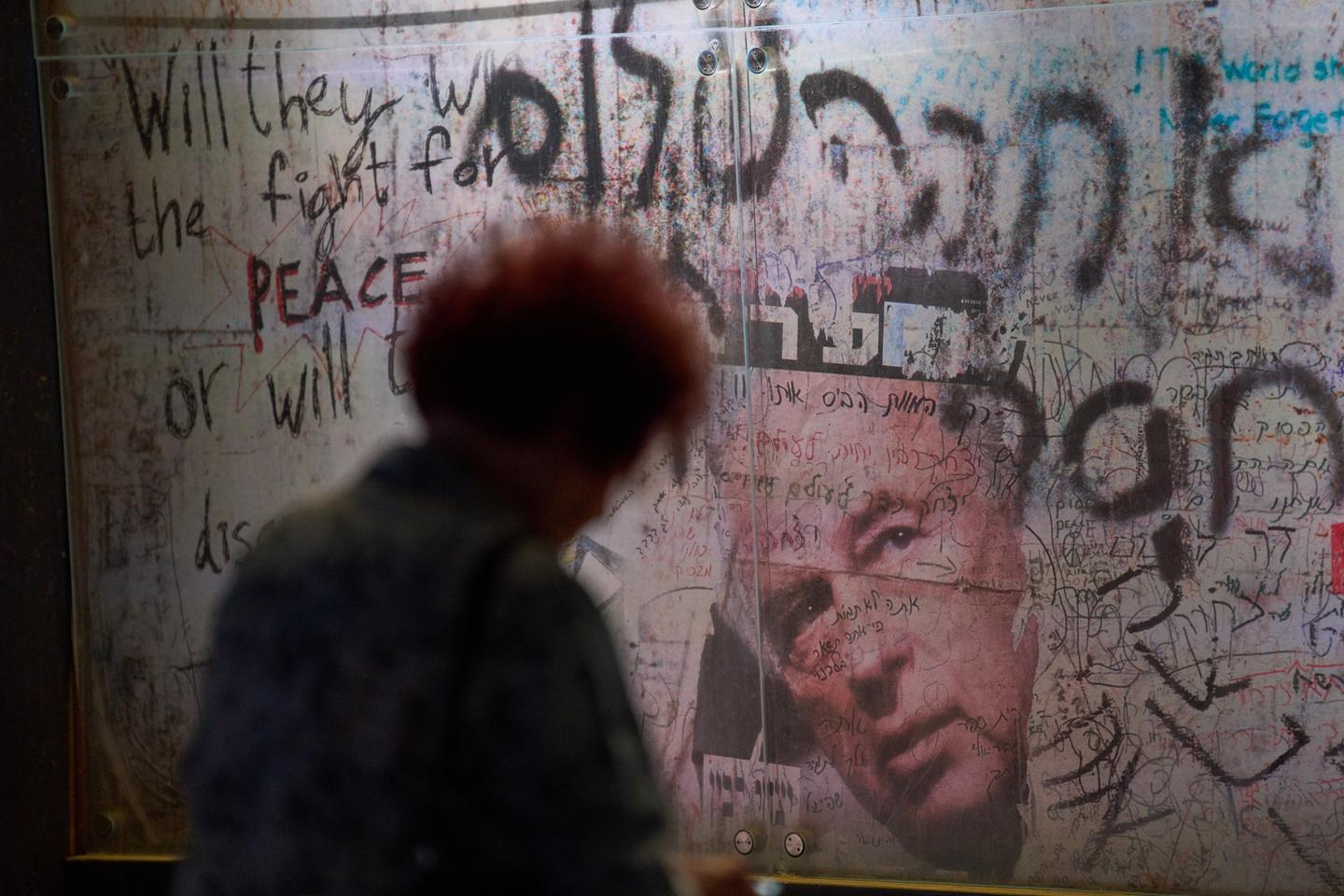
Professor Joseph Klausner remembers everything about that day. “I will never forget it until my last breath,” he tells me in his office on the seventh floor of Ichilov, Tel Aviv's largest hospital. The day the doctor will never forget is November 4, 1995. Klausner—a world-renowned internist and oncologist—was then the head of surgery at the hospital. At 10:02 p.m., he was at home when he received a call. Prime Minister Yitzhak Rabin had arrived at the hospital: he had been shot and was in serious condition, his deputy, Motti Gutman, told him. "It usually took me 35 minutes to get to the hospital by car, but that evening it took me 14. When I arrived, everyone was already in the operating room. It was full of the hospital's best doctors. They had opened his chest and abdomen to try to control his blood pressure. They thought he would make it, but I knew immediately that it was over. I was the head of surgery, so it was up to me to decide. I asked Gutman to stop, but he didn't want to, and neither did the others. They were hoping for a miracle. I told him again to stop, and as soon as they turned off the machines, it was clear to everyone that Rabin was already dead." It was 11:02 p.m., eighty minutes after the shooting. “I saw surgeons throwing themselves to the ground, crying, collapsing with their heads in their hands. It's not uncommon to witness tragedies in the operating room, but I've never seen anything like this.”
Yitzhak Rabin’s murder: the day peace between Israel and Palestine died
Thirty years ago, on November 4th, two shots in the back killed Yitzhak Rabin, the Israeli prime minister who shook hands with Arafat. Literary giant David Gro…
1,969 words~9 min read