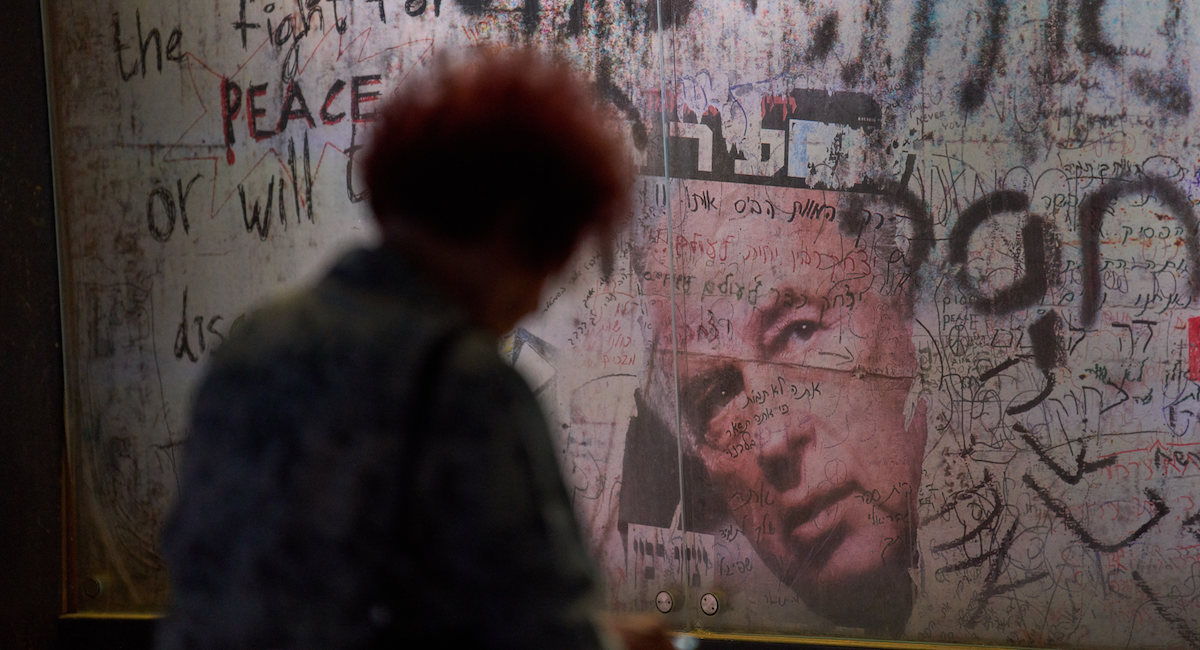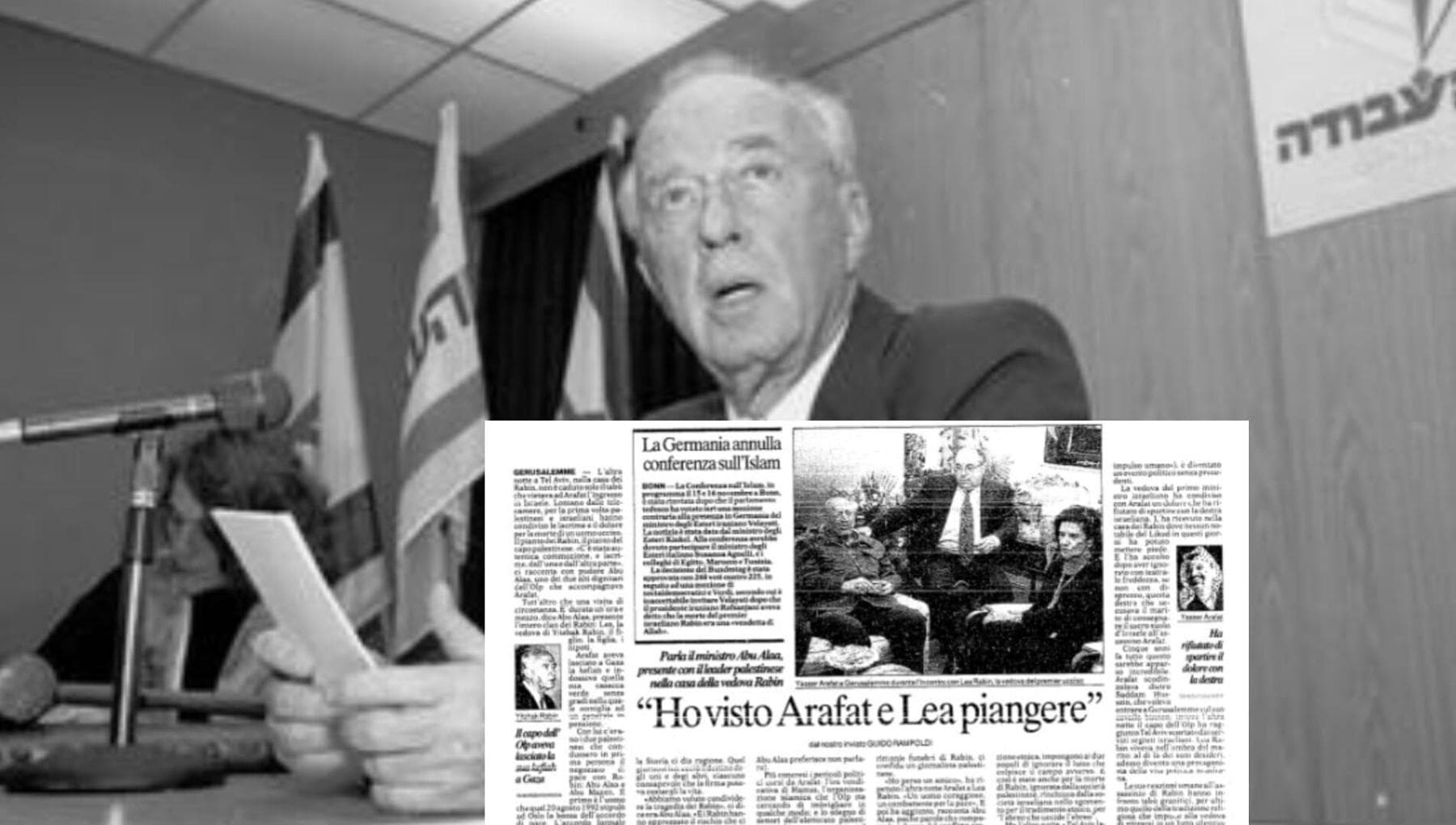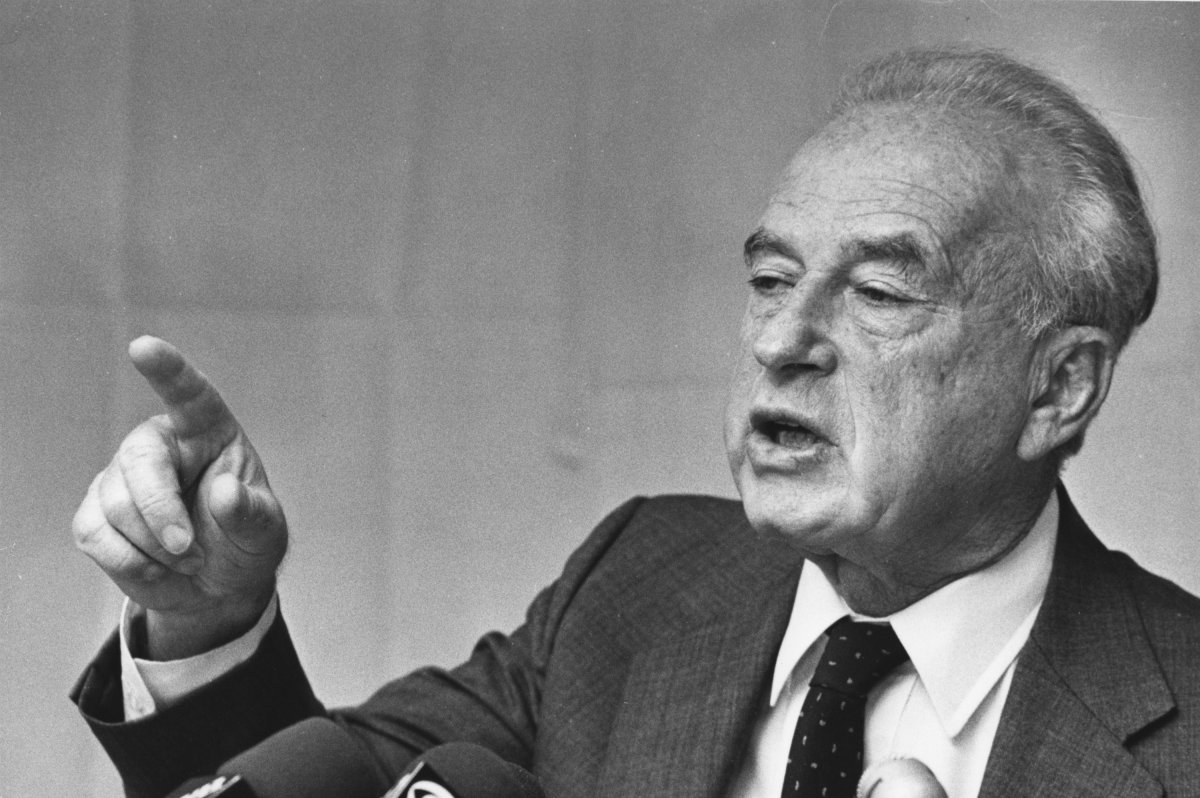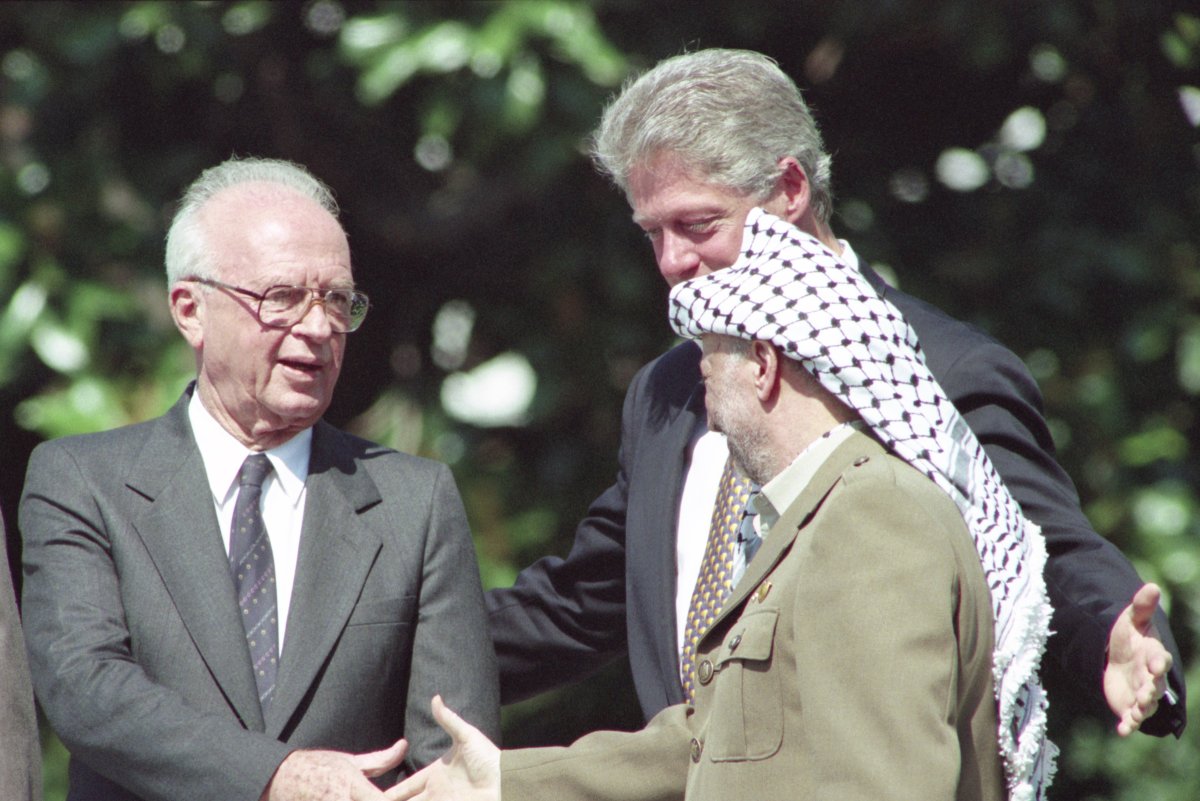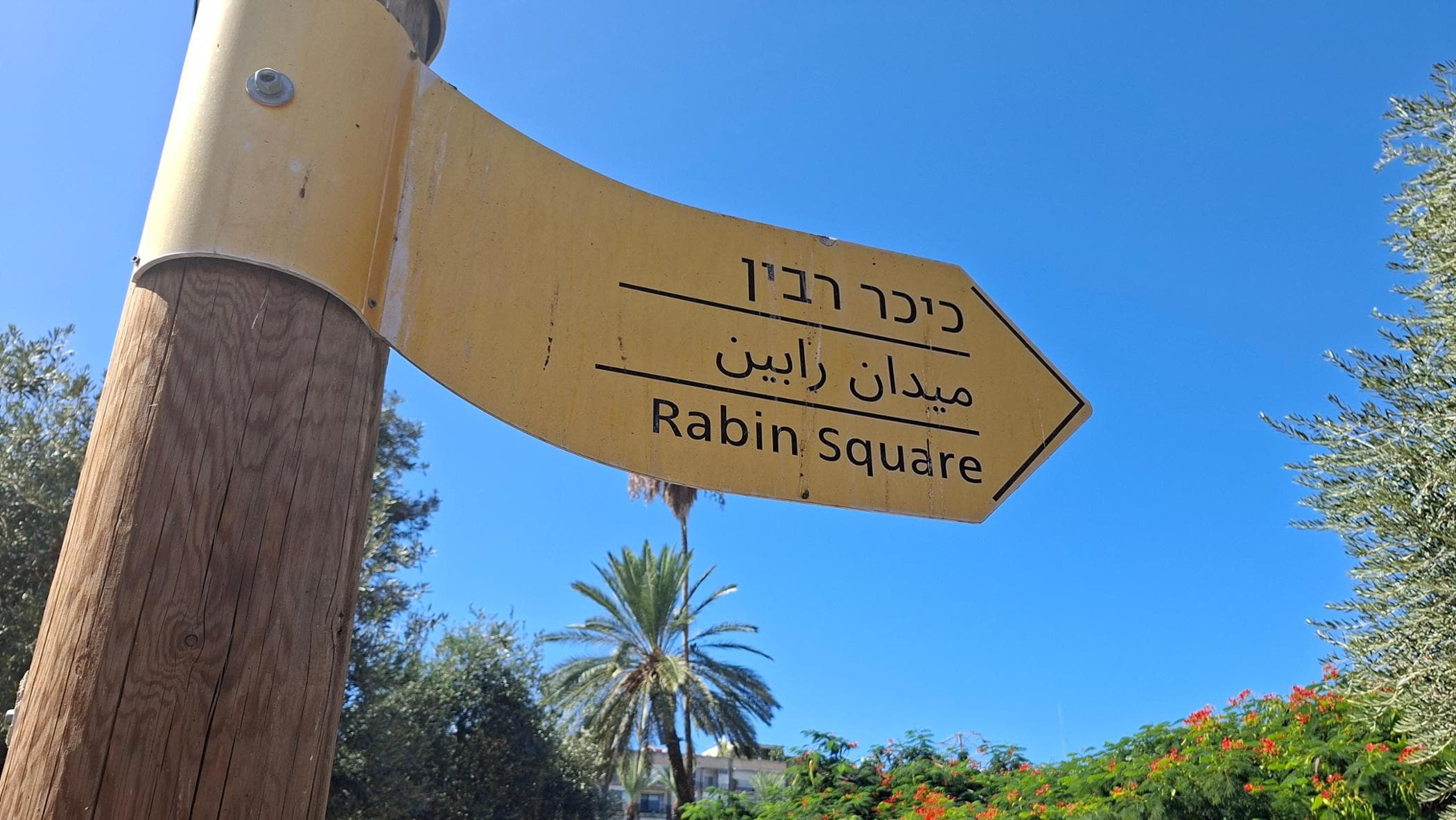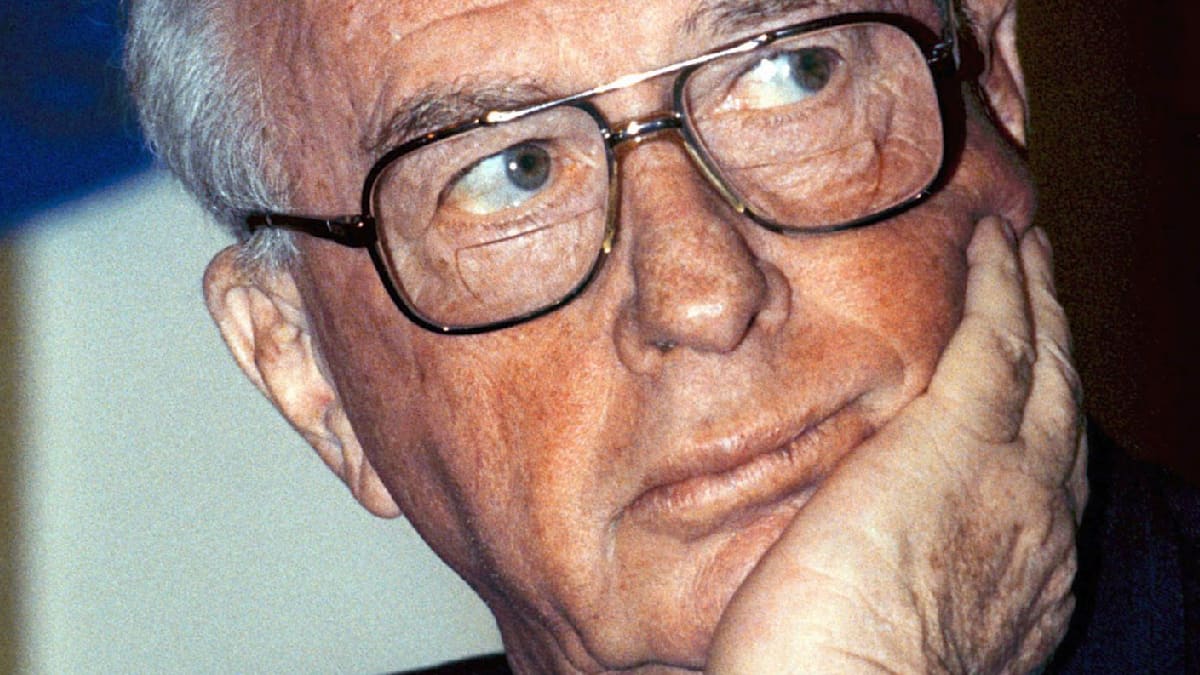
"This is a loss for (...) peace." Those were the first words uttered by Yasser Arafat (1929-2004, president of the Palestinian Authority from 1996 to 2004) upon learning of the assassination of Yitzhak Rabin (1922-1995, Israeli prime minister from 1992 to 1995) by a Jewish extremist. Rabin was the man who had shaken Arafat's hand on the White House lawn on September 13, 1993. More than 30 years on, we commemorate that crime as Israelis and Palestinians experience one of the darkest periods in their history.
Rabin was not a dreamer, but a strategist. After years of conflict, he sought a "peace dividend": less armament, more future. His government invested in health and education rather than in the military, convinced that lasting security begins at school. In foreign affairs, he made dialogue a state policy: a peace treaty with Jordan in 1994, and the opening of diplomatic offices and interests sections with Morocco, Tunisia, Mauritania, Oman and Qatar.
Organizing coexistence
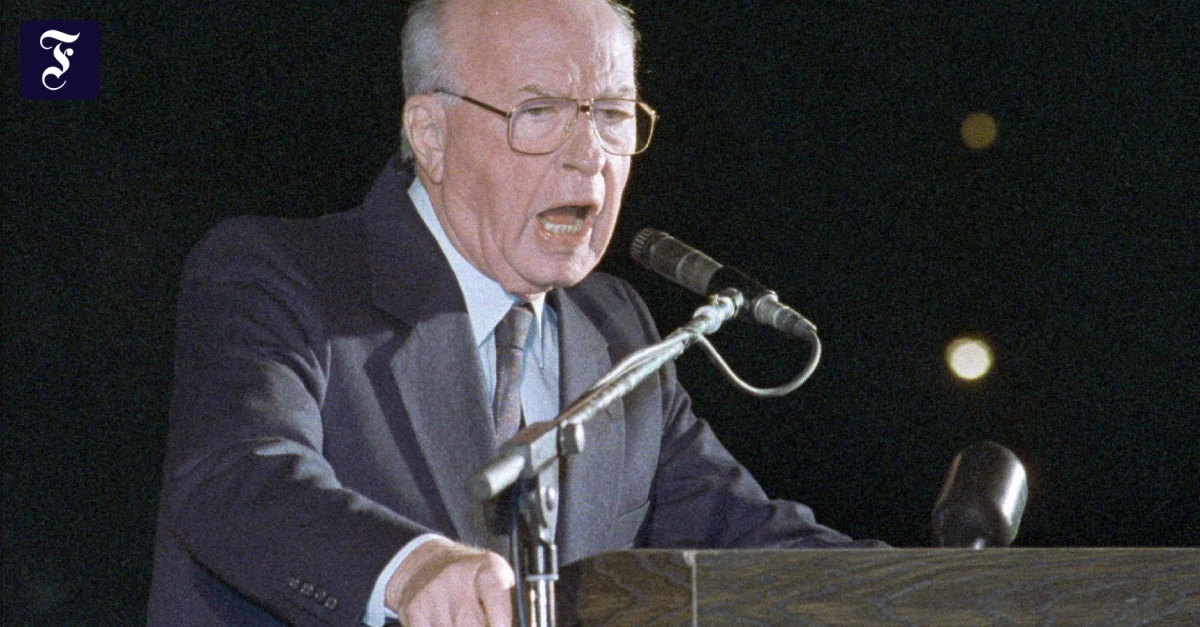
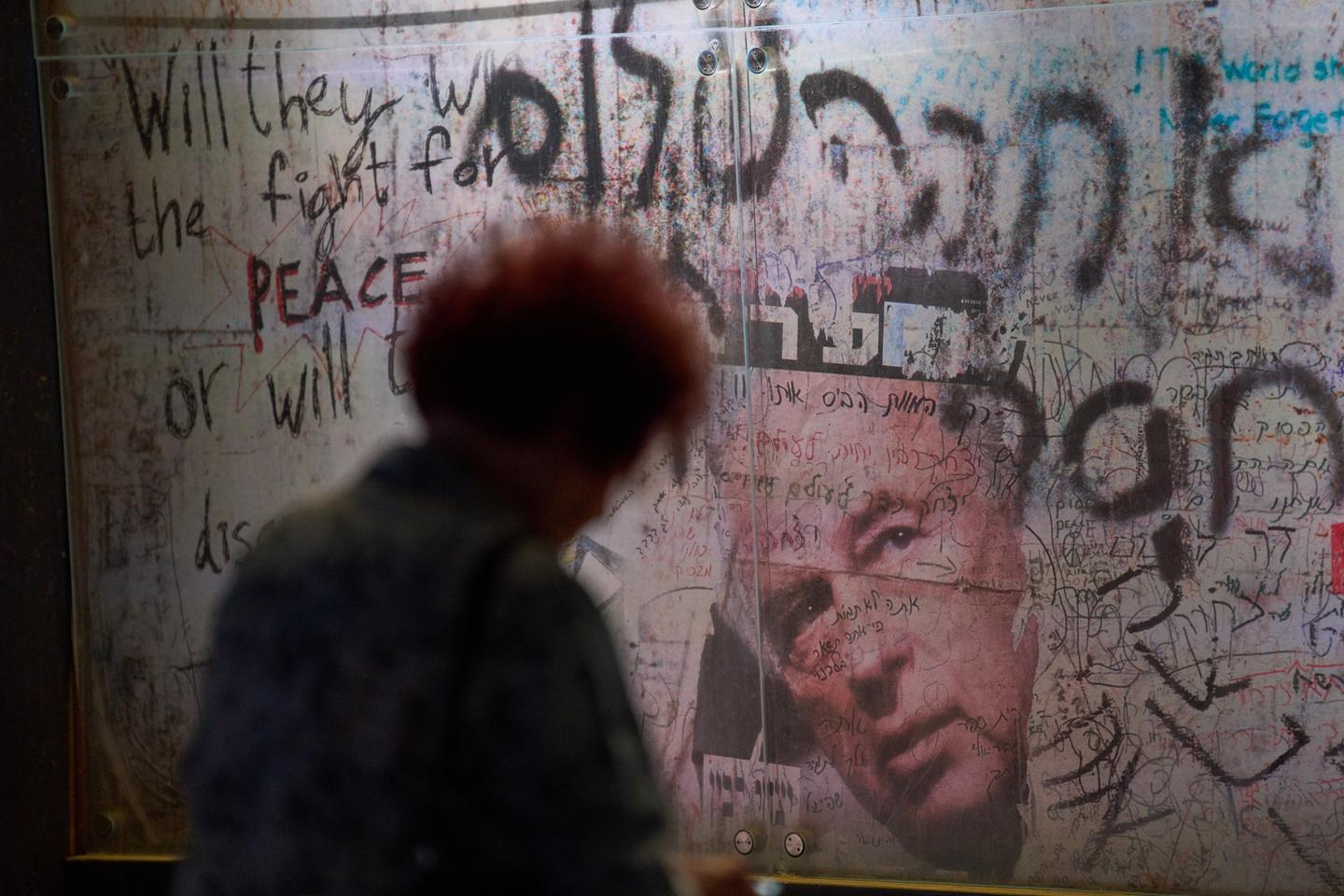
In Washington on September 13, 1993, Rabin delivered a phrase that became a symbol: "Enough of blood and tears. Enough." Two years later, on November 4, 1995, in front of 200,000 people in Tel Aviv, he reaffirmed that violence undermines democracy. Minutes later, he was shot dead.