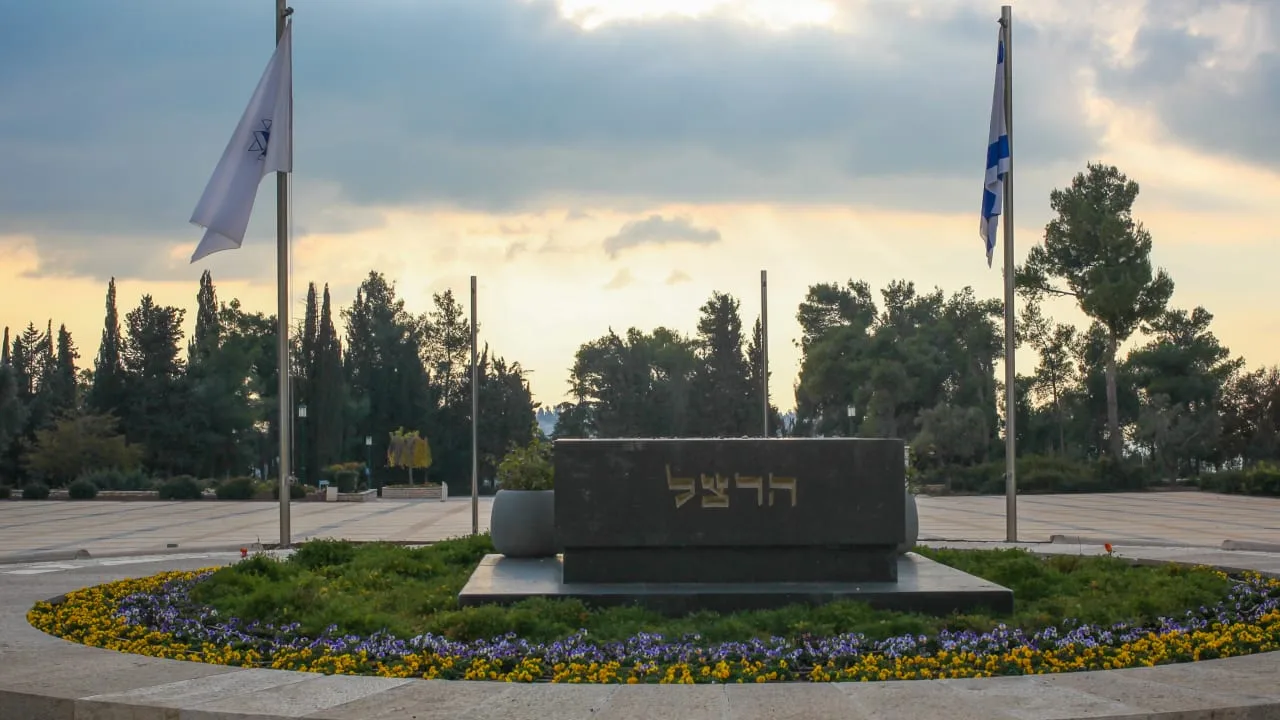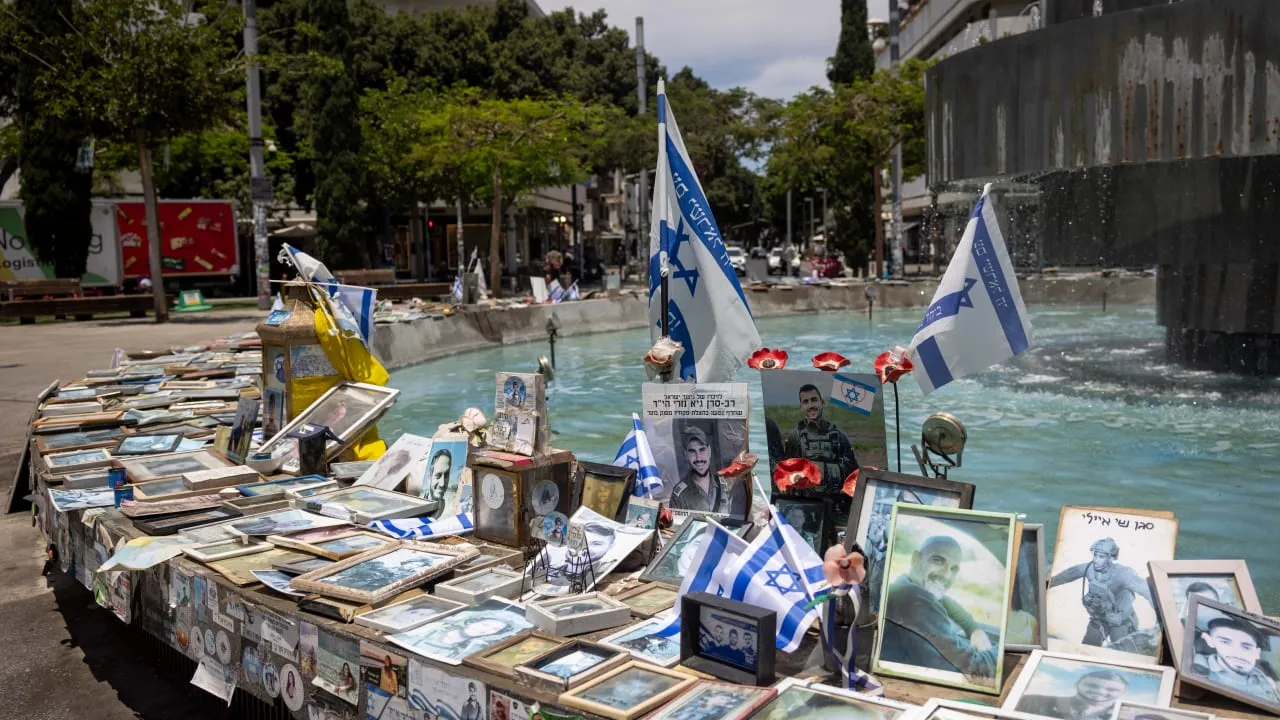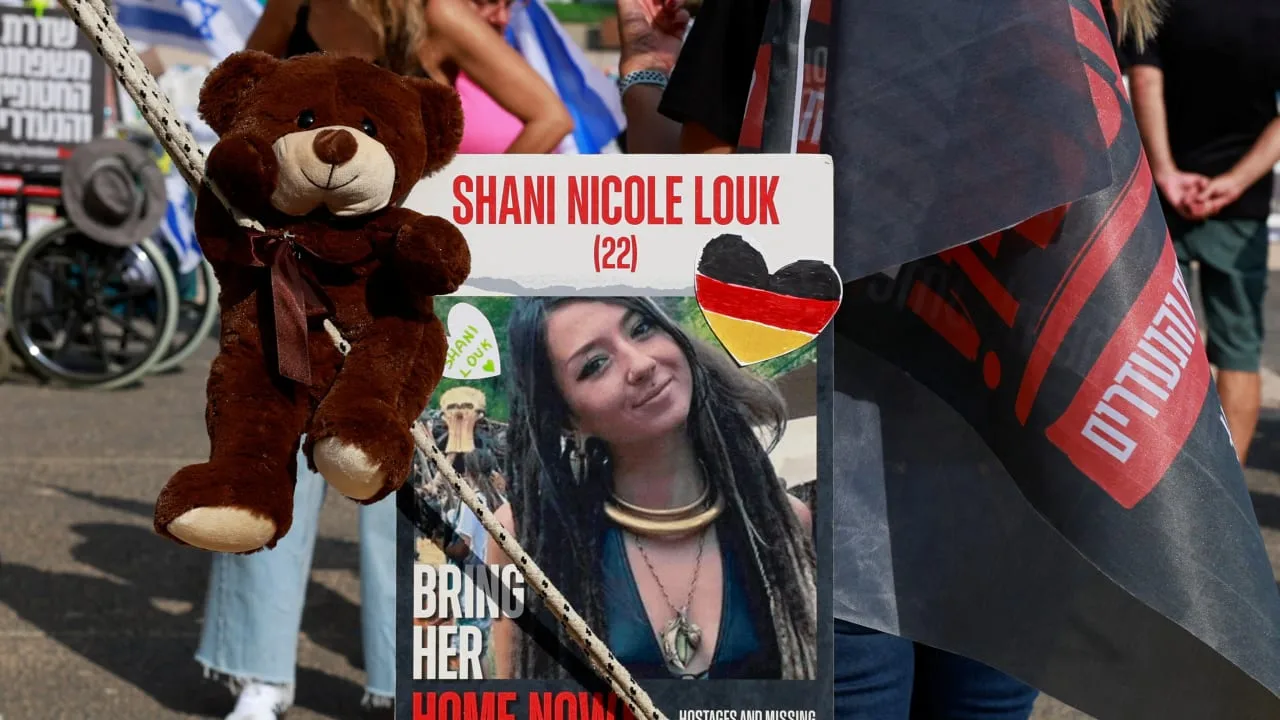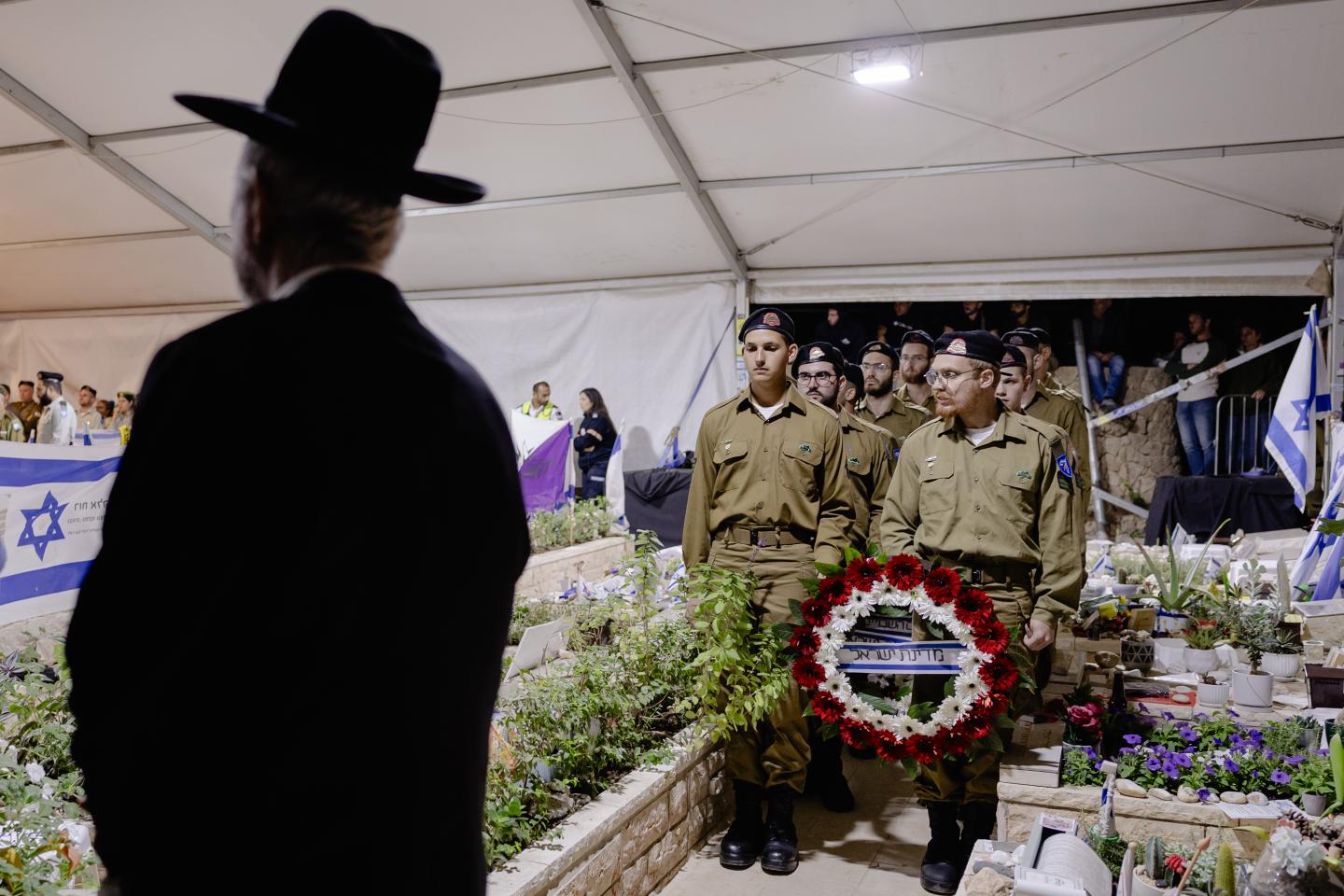
The funeral of soldier Daniel Shimon Peretz took place at the Mount Herzl military cemetery in Jerusalem on October 15, 2025. LAURENCE GEAI/MYOP FOR LE MONDE
T
he words came from a father standing at his son's grave on Mount Herzl in Jerusalem, where soldiers killed in combat since Israel's founding in 1948 have been laid to rest. Two hours earlier, on October 15, soldiers had finished covering the coffin of Daniel Peretz, 22, who was killed two years earlier on October 7, 2023 while fighting Hamas on the outskirts of Gaza before being taken, along with other dead hostages, into the enclave. "Everyone is talking about the day after in Gaza. Maybe we should be talking about the day after in the State of Israel?" asked the father, rabbi Doron Peretz.
The "day after"? The question remains unanswered in a society riven by contradictory forces – torn between amnesia and anger over the military disaster of October 7, wounded by accusations of genocide in Gaza, but profoundly supportive of what its army had done over the past two years. Marked by deep internal fractures, and yet propelled by a surge in patriotism.
Now, Israel has entered an election year. By the end of October 2026, or as early as spring 2026, should the governing coalition lose its majority in the Knesset, the country will choose a new parliament and a new governing coalition. This comes with a series of daunting questions, carefully avoided in the current public debate.